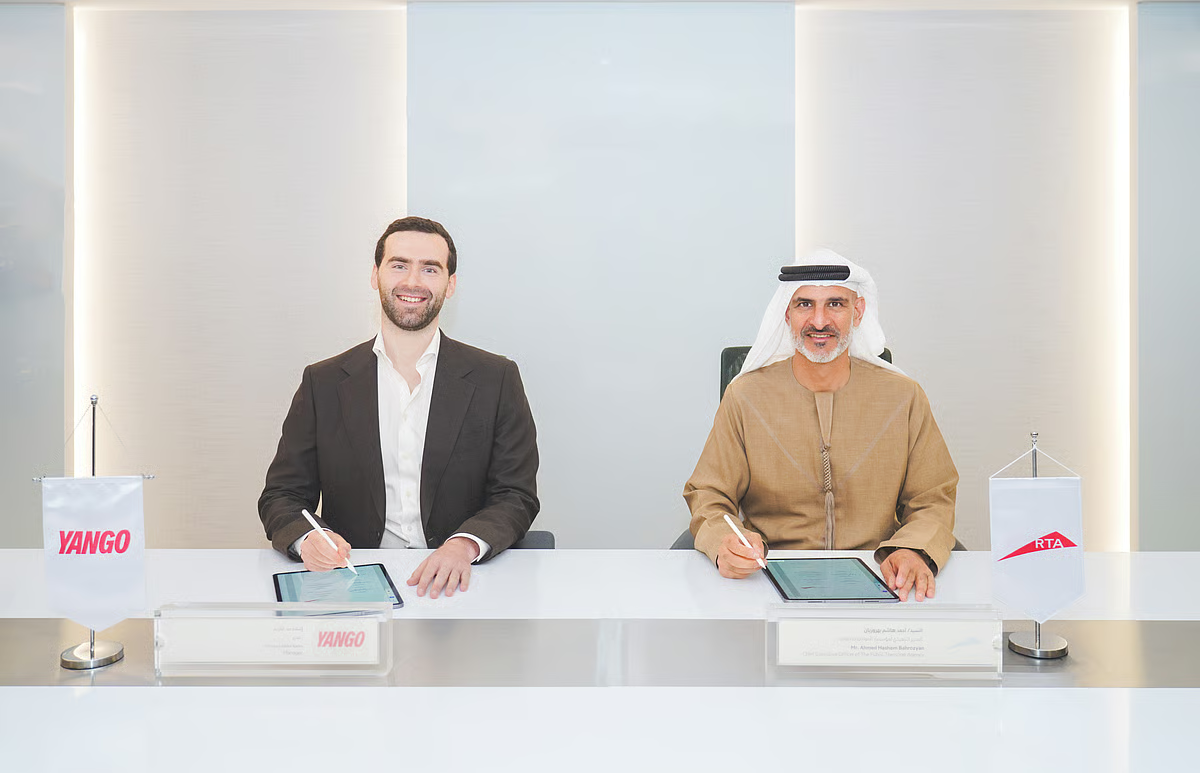

Dubai is piloting a new school transport pooling system in a bid to alleviate traffic congestion and improve the safety and affordability of getting students to and from class. The initiative, a collaboration between the Roads and Transport Authority (RTA) and Yango Group, aims to optimize routes and schedules using data-driven technology. The pilot program is currently underway with a limited number of schools and students, with initial results expected to inform a wider rollout.
Islam Abdul Karim, Regional Head of Yango Group, highlighted the complexities of daily school runs, noting the intersection of safety concerns, logistical challenges, and family needs. The system focuses on grouping students with similar routes into shared buses, leveraging technology to create more efficient and reliable transportation options. This project addresses growing concerns about traffic management and sustainable transportation solutions within the emirate.
Addressing School Transport Challenges with Technology
Dubai, like many major cities, experiences significant traffic congestion during peak school hours. This congestion contributes to air pollution, increased commute times for all residents, and potential safety hazards for students. Traditional school bus routes often operate with low occupancy rates, leading to inefficient use of vehicles and higher costs for parents.
The RTA has been actively exploring solutions to improve the overall transportation network, including investments in public transit and smart traffic management systems. This pilot program with Yango represents a focused effort to tackle the specific challenges of student mobility. According to the RTA’s strategic plan, a key objective is to enhance the sustainability and efficiency of all transport modes.
How the Pooling System Works
The core of the new system lies in its data-driven approach. Yango’s technology analyzes student locations and travel patterns to identify opportunities for route optimization and shared rides. This involves creating dynamic bus routes that adjust based on real-time demand and traffic conditions.
The platform also provides features for parents, such as real-time tracking of buses and estimated arrival times. This increased transparency aims to enhance peace of mind and improve communication. Furthermore, the system is designed to prioritize safety, with features like driver monitoring and vehicle maintenance tracking.
Potential Benefits for Families and the City
The initiative promises several benefits. Reduced traffic congestion is a primary goal, potentially easing commutes for all Dubai residents. Improved affordability is another key advantage, as shared rides can lower the cost of school bus services for parents.
Additionally, the system aims to enhance safety through better route planning and operational oversight. By consolidating routes and utilizing technology, the program could also contribute to a reduction in carbon emissions, aligning with Dubai’s sustainability goals. The RTA anticipates a positive impact on the overall quality of life for families.
However, the success of the pilot program hinges on several factors, including parent adoption and the accuracy of the data used for route optimization. Concerns about longer travel times for some students due to route adjustments will need to be addressed. The RTA has stated it will closely monitor these factors during the pilot phase.
The implementation of this system also reflects a broader trend towards “Mobility as a Service” (MaaS), where various transportation options are integrated into a single platform. This approach aims to provide users with seamless and convenient travel experiences. Several cities globally are experimenting with similar MaaS models, focusing on different aspects of urban mobility.
In contrast to traditional fixed-route systems, this dynamic pooling model offers greater flexibility and responsiveness to changing demand. This is particularly important in a rapidly growing city like Dubai, where residential areas and school locations are constantly evolving. The use of technology allows for quicker adjustments and more efficient resource allocation.
The Yango Group, a technology company operating in various markets, has experience in ride-hailing and delivery services. Their expertise in data analytics and route optimization is expected to be crucial to the success of the school transport pilot. The company has previously collaborated with city authorities on similar projects aimed at improving urban mobility.
While the initial focus is on school transportation, the technology and insights gained from this pilot could potentially be applied to other areas of public transport in Dubai. This includes optimizing routes for buses, taxis, and other shared mobility services. The long-term vision is to create a more integrated and efficient transportation ecosystem.
The RTA has not yet announced a specific timeline for the full-scale implementation of the school transport pooling system. The current pilot phase is expected to last several months, during which data will be collected and analyzed to assess the program’s effectiveness. A comprehensive report outlining the findings and recommendations is anticipated by the end of the year.
Key metrics being monitored include bus occupancy rates, travel times, parent satisfaction, and the overall impact on traffic congestion. The RTA will also be evaluating the scalability of the technology and the potential for integration with existing transportation infrastructure. Further announcements regarding the future of the program will depend on the results of this ongoing evaluation.