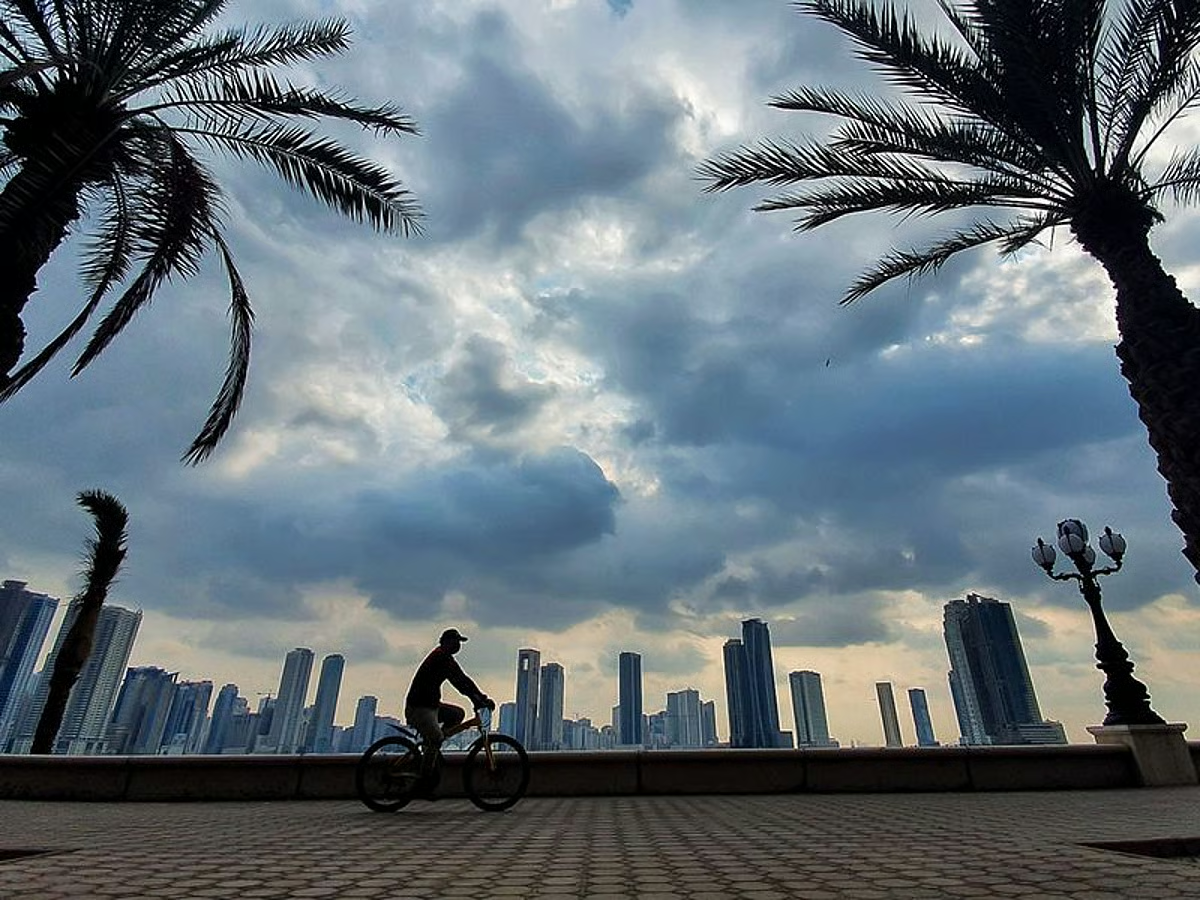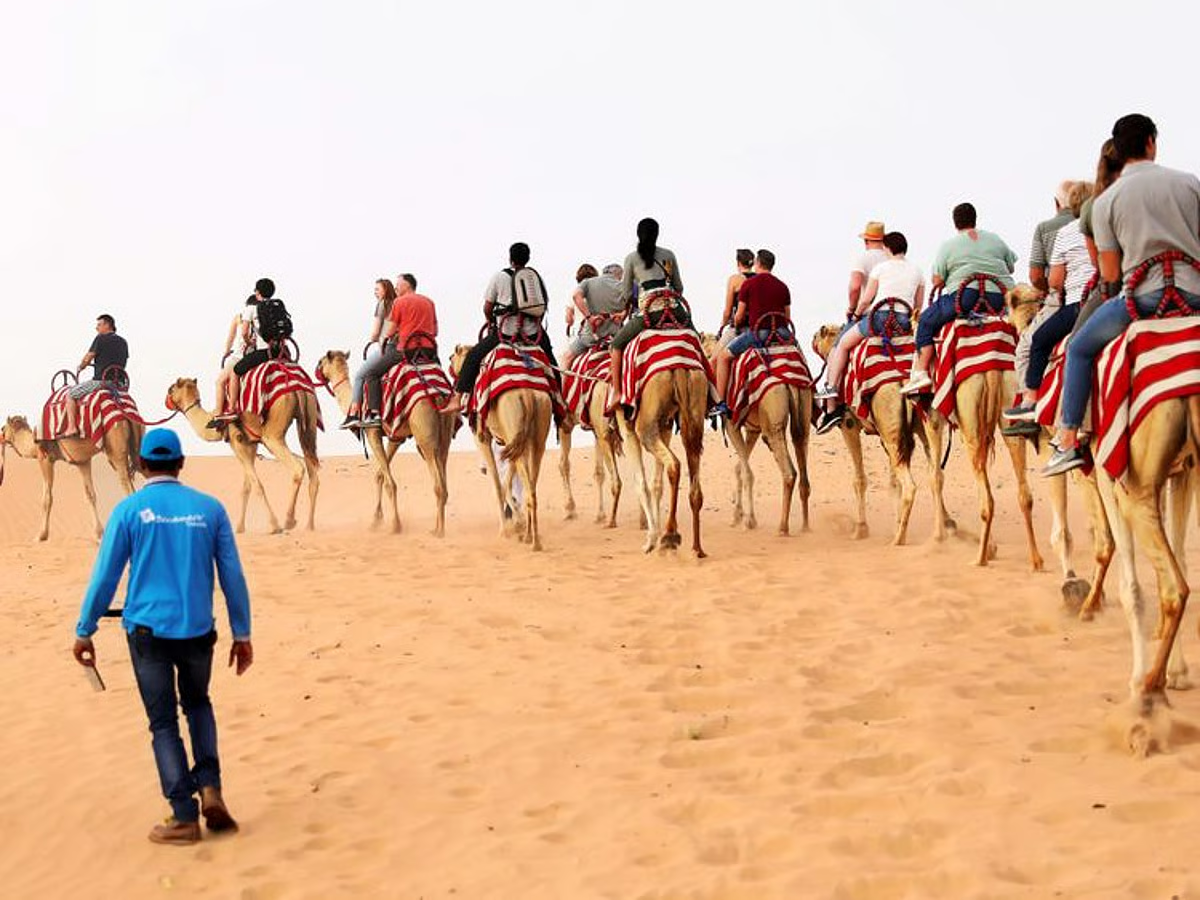

Dubai is experiencing continued growth in tourism, with visitor numbers steadily rising despite a more cautious global travel landscape. The latest data indicates a robust performance for the sector, driven by diversification into business events, cultural attractions, and a burgeoning medical tourism industry. This sustained increase positions Dubai as a leading global destination, demonstrating resilience in the face of economic headwinds.
Dubai Tourism: A Diversified Approach to Growth
Tourism officials attribute the positive trend to a deliberate strategy of broadening Dubai’s appeal beyond traditional leisure travel. This includes significant investment in large-scale events and the development of unique cultural and lifestyle experiences. According to Emirates NBD’s recent economic outlook, this diversification is key to the sector’s ongoing success.
Improved air connectivity has also been a major factor. Airlines have been expanding routes and increasing capacity to and from key markets in Europe, Asia, and Africa, making Dubai more accessible to international travelers. A relatively stable regional environment is further bolstering confidence in travel to the emirate.
Hospitality Sector Expansion
The hospitality industry is responding to the increased demand with substantial expansion. New hotels and restaurants are opening across Dubai’s prime districts, catering to a wider range of visitor preferences. Policy initiatives, such as the Dubai Hotel Incentive Scheme, are playing a crucial role in attracting investment and accelerating project timelines.
The Dubai Hotel Incentive Scheme, which reimburses municipality fees for the first two years of operation, is specifically designed to lower initial operating costs for hotel developers. Analysts suggest this scheme is particularly effective in encouraging the development of mid-scale and lifestyle-focused hotels, filling gaps in the existing market.
Enhancing the Guest Experience with Technology
Dubai’s hotels are also investing in digital upgrades to enhance the overall guest experience. The rollout of contactless biometric check-in systems across multiple properties aims to streamline arrival processes and improve operational efficiency. This focus on technology is becoming increasingly important as occupancy rates continue to climb.
The Rise of Business and Medical Travel
Dubai’s calendar of conferences and exhibitions is proving to be a significant draw for business travelers. The expansion of these events helps to mitigate seasonal fluctuations in demand, providing a consistent stream of high-spending visitors throughout the year. Industry experts believe this blend of leisure and business travel provides a competitive advantage.
This diversified approach supports higher average room rates and longer booking windows, offering greater revenue predictability for hotel operators. The ability to attract both leisure and business travelers allows Dubai to maintain a strong economic position within the global travel market.
One of the most notable emerging trends is the growth of medical tourism. A collaborative agreement between the Dubai Health Authority and the Department of Economy and Tourism has formalized efforts to promote Dubai as a premier destination for healthcare-related travel. This initiative is already yielding positive economic results.
Data from Emirates NBD indicates that human health and social work activities saw a 20% year-on-year increase in GDP during the first half of 2025. This makes healthcare one of the fastest-growing sectors contributing to Dubai’s tourism revenue. Patients often travel with family and stay for extended periods, further boosting demand for accommodation and related services.
The increasing focus on travel to Dubai for medical procedures is also attracting investment in specialized facilities and expertise. This is creating a positive feedback loop, enhancing the city’s reputation as a world-class healthcare destination and further driving growth in this segment.
The latest figures demonstrate a shift in Dubai’s tourism strategy, moving beyond simply attracting large numbers of visitors. The emphasis is now on attracting higher-value tourists, leveraging technology to improve services, and fostering sectors that generate broader economic benefits. This strategic evolution is positioning Dubai for sustained long-term growth in the hospitality industry.
Looking ahead, the Dubai government is expected to announce further initiatives to support the tourism sector by the end of 2025. Continued monitoring of global economic conditions and geopolitical factors will be crucial, as these elements could influence travel patterns and demand. The success of ongoing diversification efforts and the expansion of infrastructure will also be key determinants of future growth.