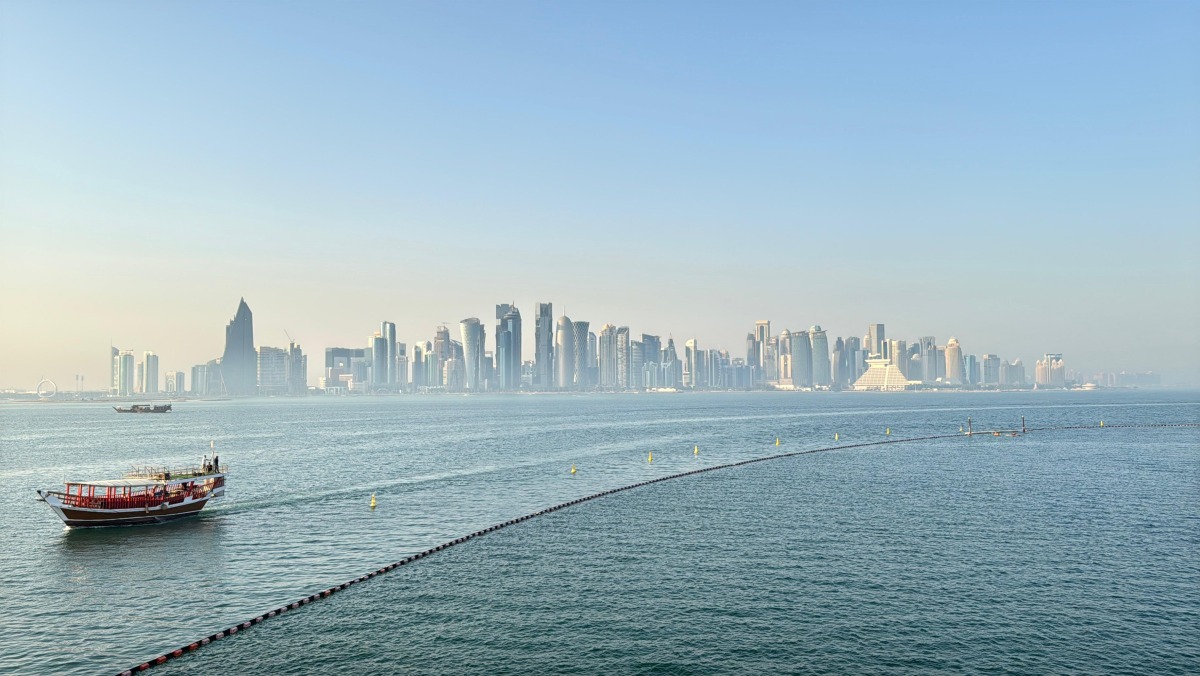

Doha, Qatar will host the 2026 Global Security Forum (GSF) from April 12-14, bringing together international leaders to address critical challenges facing global stability. Under the patronage of Qatar’s Prime Minister and Minister of Foreign Affairs, HE Sheikh Mohammed bin Abdulrahman bin Jassim Al-Thani, the forum will focus on the theme of “Collective Security and the Crisis of Legitimacy.” This event aims to provide a platform for dialogue and collaboration on strengthening international security frameworks.
The annual GSF, established in 2018, has quickly become a prominent gathering for high-level discussions on geopolitical affairs and security issues. The 2026 edition will convene heads of state, defense ministers, intelligence officials, and policy experts from around the world. Qatar’s commitment to hosting the forum underscores its role as a key mediator and facilitator in international security efforts.
Addressing the Core of Global Security Concerns
The central theme of “Collective Security and the Crisis of Legitimacy” reflects growing concerns about the effectiveness of international institutions and the erosion of trust in global governance. According to official statements, the forum will examine how states and organizations can rebuild confidence and reinforce cooperative frameworks necessary for maintaining peace and security. This is particularly relevant given increasing polarization and challenges to the rules-based international order.
The Rise of Fragmentation and its Impact
The current geopolitical landscape is marked by increasing fragmentation and competition between major powers. This trend, coupled with technological advancements and evolving threats, necessitates a reevaluation of traditional security approaches. The GSF aims to explore how collective security can adapt to these new realities and address emerging challenges like cybersecurity and climate change-related security risks.
Colin Clarke, the Official Spokesperson of the Global Security Forum, emphasized the urgency of the situation. He stated that the forum has always been a space for confronting future threats, and that rebuilding trust in international institutions is a defining challenge of our time. The decline in confidence in global governance structures is creating instability and hindering effective responses to shared security concerns.
Qatar’s Role and Regional Implications
The choice of Doha as the host city highlights Qatar’s active role in international diplomacy and security initiatives. The country has consistently sought to mediate conflicts and promote dialogue in the region and beyond. The forum will also showcase the ongoing collaboration between Qatar’s Internal Security Forces and the Ministry of Interior, demonstrating a commitment to advancing security dialogue and practice domestically.
Additionally, the GSF provides a valuable opportunity for Qatar to showcase its perspectives on regional security challenges, including those related to counter-terrorism and maritime security. The event is expected to attract significant attention from regional stakeholders and contribute to a deeper understanding of the complex security dynamics in the Middle East. The presence of high-ranking officials from various nations could also facilitate bilateral discussions and strengthen existing partnerships.
The Global Security Forum, in partnership with the Qatar International Academy for Security Studies (QIASS), has established a reputation for fostering honest dialogue and generating actionable insights. Unlike some other international forums, GSF is known for its candid discussions and willingness to address sensitive topics. This approach is crucial for building trust and identifying effective solutions to complex security problems. The forum’s focus on practical strategies and policy recommendations sets it apart as a valuable resource for decision-makers.
Looking ahead, the success of GSF 2026 will depend on the active participation of key stakeholders and a willingness to engage in constructive dialogue. The forum’s organizers are expected to release a detailed agenda and list of confirmed speakers in the coming months. Observers will be watching to see whether the event can generate concrete proposals for strengthening collective security and addressing the underlying causes of the crisis of legitimacy. The outcomes of the discussions could have significant implications for the future of international cooperation and global stability, particularly in areas of global security and defense policy.
Further details regarding registration and logistical arrangements for the 2026 forum are anticipated to be announced by QIASS and the GSF secretariat before the end of 2025. The evolving geopolitical situation will likely shape the final focus of the discussions, making continued monitoring of the event’s preparations essential. The Global Security Forum website will serve as the primary source of information.