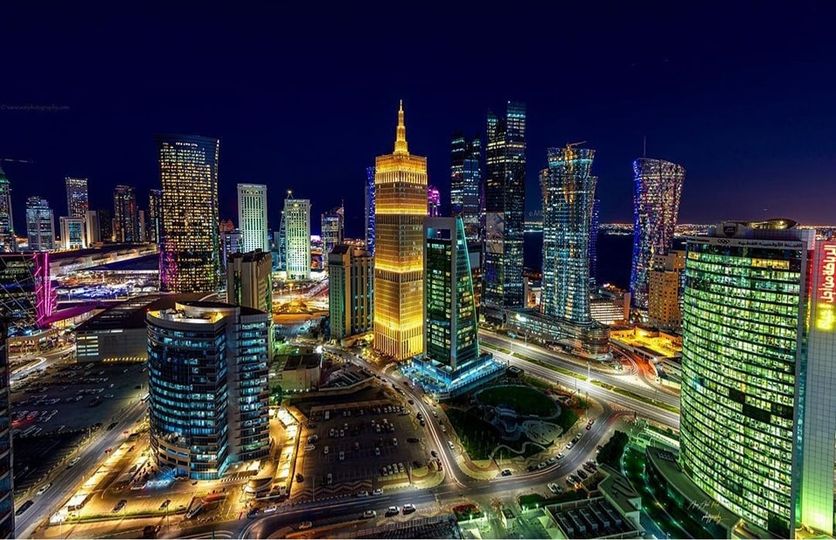

Doha, Qatar has been ranked the world’s top city for mobile internet performance in 2026, according to a recent study by mobile data specialists Holafly. The ranking highlights the city’s significant investment in digital infrastructure and its emergence as a leading destination for tech-savvy travelers. This achievement positions Doha favorably in the increasingly competitive global tourism market, where seamless connectivity is a key expectation.
The study, released this week, assessed the speed and reliability of mobile internet in major tourist cities worldwide. Holafly’s methodology focused on a practical measure: the time required to download a 1-gigabyte city map using average local mobile internet speeds. This approach provides travelers with a realistic understanding of network capabilities, crucial for navigation, communication, and accessing information while abroad.
Doha Leads the Way in Mobile Internet Speed
With an average mobile download speed of 354.5 Mbps, Doha outperformed all other cities analyzed, enabling a full gigabyte map download in under three seconds. This speed significantly surpasses that of other prominent tourist destinations like Dubai and Abu Dhabi, demonstrating Qatar’s commitment to providing cutting-edge technology for visitors. The fast connectivity offers benefits ranging from instant access to ride-hailing services to uninterrupted video streaming.
Investment in 5G Infrastructure
Qatar’s success is largely attributed to substantial investments in next-generation mobile networks, particularly widespread 5G deployment. These upgrades, coupled with increased spectrum capacity, have dramatically improved mobile internet speeds and coverage throughout the city. The government has prioritized digital infrastructure as part of its broader economic diversification strategy, recognizing its importance for attracting tourism and foreign investment.
The implications for tourists are considerable. Visitors arriving at Hamad International Airport can immediately connect to a fast and reliable network, eliminating the need to search for Wi-Fi hotspots. This seamless connectivity enhances the overall travel experience, allowing visitors to easily navigate the city, access real-time information, and share their experiences with others. For business travelers, Doha offers a productive environment with uninterrupted digital workflows.
However, the Holafly study also revealed a significant disparity in internet speeds globally. While Doha excels, other cities struggle with slow and unreliable connections. Havana, Cuba, ranked at the bottom, requiring nearly four minutes to download the same 1 GB map due to average speeds of just over 4 Mbps. This digital divide underscores the need for increased infrastructure investment in many parts of the world.
The recognition of Doha’s superior network performance is expected to further boost tourism. Travel guides and online platforms are already highlighting the city’s connectivity as a key advantage. Positive reviews from visitors consistently mention the ease of staying connected, contributing to Doha’s growing reputation as a modern and convenient destination. This positive feedback loop is likely to attract even more tech-dependent travelers.
Qatar’s focus on digital infrastructure extends beyond mobile networks. The country is also investing in fiber optic broadband and smart city technologies to create a fully connected ecosystem. This holistic approach aims to enhance the quality of life for both residents and visitors, positioning Qatar as a leader in digital innovation within the region. The development of these technologies is also linked to the country’s broader goals of sustainability and economic growth.
Looking ahead, Qatar is expected to continue investing in its digital infrastructure to maintain its competitive edge. Further expansion of 5G coverage and the introduction of even faster technologies, such as 6G, are anticipated in the coming years. The country will also likely focus on improving the affordability and accessibility of mobile data for all users, ensuring that everyone can benefit from its advanced network capabilities. Monitoring the ongoing development of these technologies and their impact on the tourism sector will be crucial in the next few years.