


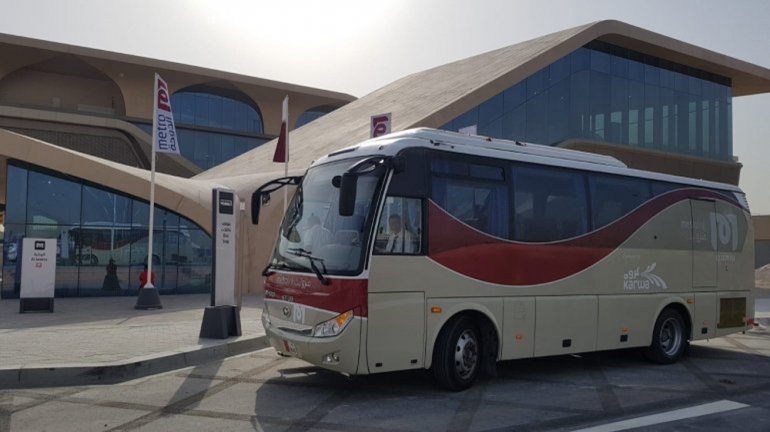

Doha, Qatar – Commuters in Doha will have a new transportation option starting January 25, 2026, with the launch of the M318 metrolink bus route. The service, announced today by Doha Metro and Lusail Tram, will connect residents and businesses in the Bu Hamour area to the Al Sudan Metro station. This expansion of the free feeder bus network aims to improve accessibility to the wider public transportation system.
The new M318 route will depart from Exit 1 of the Al Sudan station and serve key locations within Bu Hamour, including Jassim Bin Hamad Stadium, Dar Al Salam Mall, Souq Al Baladi, Al Jazeera Academy, and the Mamoura Traffic Investigation Department. The metrolink service is designed to bridge the gap between metro stations and residential or commercial areas, encouraging greater use of public transport. This latest addition builds on existing metrolink routes across Doha.
Expanding the Doha Metrolink Network
The introduction of the M318 route is part of an ongoing effort by Qatar Rail to enhance the convenience and reach of the Doha Metro and Lusail Tram systems. According to previous statements from the Ministry of Transport, the metrolink network is a crucial component of Qatar’s National Transport Master Plan 2030, which prioritizes sustainable and integrated transportation solutions. The plan aims to reduce reliance on private vehicles and promote a more environmentally friendly urban mobility system.
Benefits for Bu Hamour Residents
Residents of Bu Hamour have previously relied heavily on private vehicles or taxis to access the Doha Metro. The new metrolink route offers a free and convenient alternative, potentially reducing traffic congestion and parking challenges in the area. The service will also improve access to employment opportunities, shopping centers, and educational institutions for those without personal transportation.
Additionally, the route’s proximity to Jassim Bin Hamad Stadium suggests it will be particularly useful during sporting events and other large gatherings, easing transportation for attendees. The connection to Souq Al Baladi will also benefit shoppers and vendors, providing a convenient way to reach the traditional market.
However, the success of the M318 route will depend on factors such as bus frequency, punctuality, and passenger capacity. Qatar Rail has not yet released detailed schedules or information regarding the number of buses allocated to the route. Monitoring ridership numbers and gathering passenger feedback will be essential to optimize the service and ensure it meets the needs of the community.
Meanwhile, the expansion of the metrolink network is occurring alongside ongoing development of the Doha Metro and Lusail Tram systems. Further phases of the metro project are planned, with extensions to existing lines and the addition of new stations. These expansions are expected to further increase the demand for feeder bus services like the M318.
In contrast to some other major cities, Doha’s public transportation system is relatively new, having undergone significant expansion in recent years. The rapid development reflects Qatar’s commitment to investing in infrastructure and providing world-class transportation options for its residents and visitors. The country has also been focusing on integrating different modes of transport, including buses, taxis, and ride-sharing services, to create a seamless travel experience.
The implementation of the M318 route is scheduled for January 25, 2026. Qatar Rail has indicated that further announcements regarding the metrolink network, including potential new routes and service adjustments, will be made in the coming months. Stakeholders will be watching for updates on bus schedules and capacity, as well as any data released on the initial performance of the M318 route and its impact on traffic patterns in the Bu Hamour area. The long-term success of this initiative will likely hinge on continued investment and adaptation based on user needs and evolving urban development.