
Doha, Qatar – The Doha Forum continues to solidify its position as a vital global platform for international dialogue, according to United Nations officials. The forum, which concluded recently, brought together leaders and experts to discuss pressing issues of peace, security, and cooperation on the world stage. The event’s focus on these critical areas underscores its importance in a time of increasing geopolitical challenges.
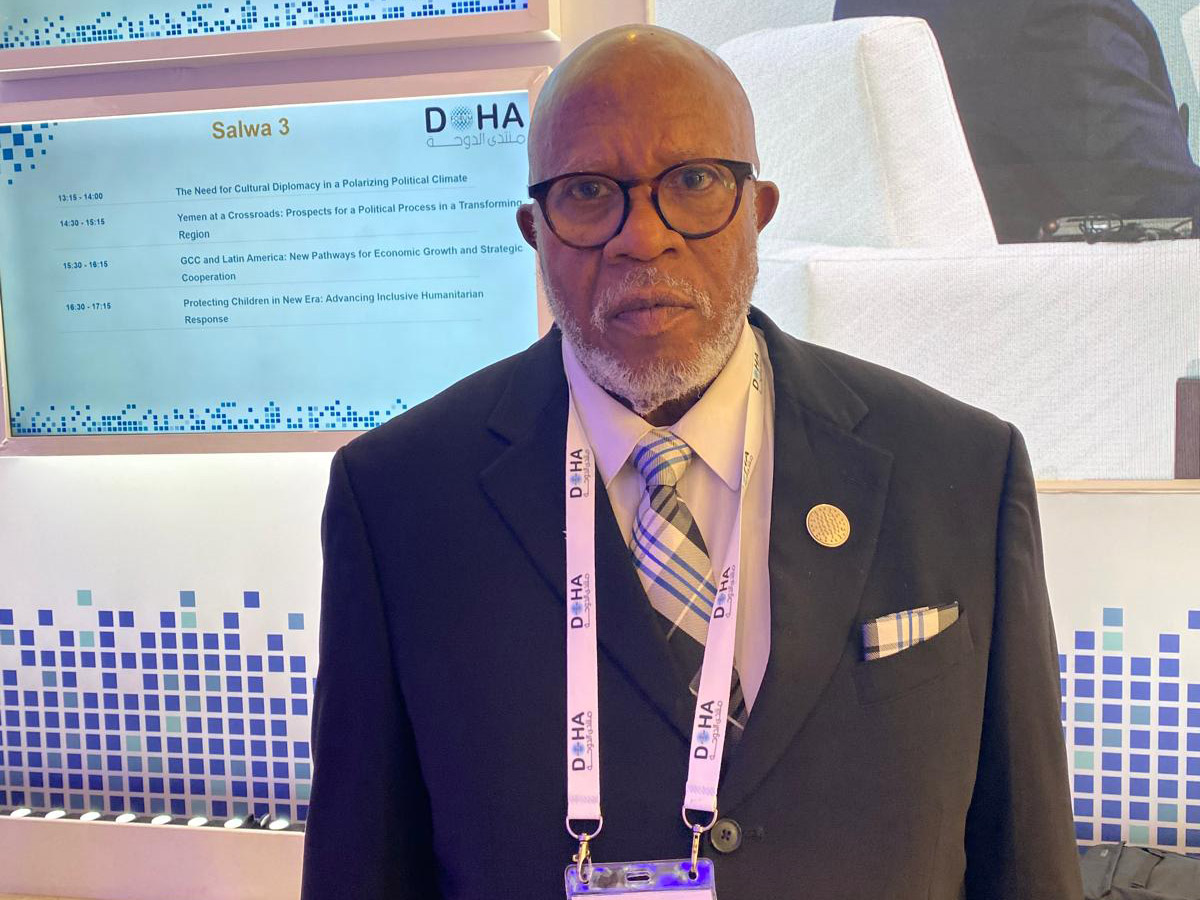
H.E. Dennis Francis, President of the 78th Session of the United Nations General Assembly, highlighted the Forum’s significance in fostering open conversations and charting a course toward a more just and secure world. Speaking to The Peninsula, Francis emphasized the unique ability of the Doha Forum to convene diverse perspectives – from governments and civil society to youth and global institutions – to collaboratively address complex international problems.
The Doha Forum: A Key Hub for Global Diplomacy
The Doha Forum has evolved since its inception in 2000 into a prominent annual event attracting high-level participation from around the globe. It provides a neutral space for discussing sensitive topics and building consensus on solutions to shared challenges. This year’s theme, “Justice for All,” resonated with the core principles of the United Nations and the urgent need for equitable outcomes in international affairs.
Qatar’s Role in Mediation and Peacebuilding
Francis specifically commended Qatar’s growing role as a global mediator, noting the country’s proactive efforts to bring conflicting parties to the negotiating table. Qatar’s diplomatic initiatives, both through the Doha Forum and independent efforts, are increasingly seen as a stabilizing force in regions experiencing unrest. This commitment to peaceful resolution is particularly crucial given the current global landscape.
The UN General Assembly President stressed the critical need for peace and stability worldwide, suggesting Qatar’s leadership is “indispensable” in this endeavor. He praised the government of Qatar, under the leadership of Amir H H Sheikh Tamim bin Hamad Al Thani, for its willingness to invest resources in peacebuilding initiatives. This support extends beyond hosting the forum to include direct involvement in mediation efforts across multiple conflicts.
The discussions at the forum are expected to influence international policymaking, with recommendations and insights potentially shaping global priorities. Areas of focus included conflict resolution, humanitarian action, and sustainable development, all of which are central to the UN’s agenda. The forum’s emphasis on inclusivity aims to ensure that solutions are comprehensive and address the root causes of instability.
Francis specifically pointed to the ongoing crises in Gaza and Israel, stating that viable solutions require a strong and unified commitment from the international community. He described the Doha Forum as a “magnificent platform” for generating the ideas and partnerships needed to address these complex situations. The forum provided a space for discussing potential pathways toward de-escalation and long-term peace in the region.
Beyond immediate crisis response, the forum also addressed broader issues of global governance and the need for a more equitable international system. Participants explored ways to strengthen multilateral institutions and ensure that the benefits of globalization are shared more widely. The United Nations, as a central pillar of this system, is likely to benefit from the renewed focus on cooperation and dialogue.
Looking ahead, the impact of the Doha Forum will be measured by the extent to which its recommendations are translated into concrete action. Follow-up discussions and implementation plans are expected to emerge in the coming months, with key stakeholders working to advance the forum’s agenda. The ongoing geopolitical uncertainties and the complexity of global challenges mean that the forum’s role as a facilitator of dialogue will remain vital.
The next steps involve analyzing the outcomes of the various sessions and disseminating the key findings to relevant policymakers and organizations. The success of these efforts will depend on continued collaboration and a shared commitment to building a more peaceful and just world. Monitoring the implementation of the forum’s recommendations and assessing their impact on ongoing conflicts and global challenges will be crucial in the months and years to come.