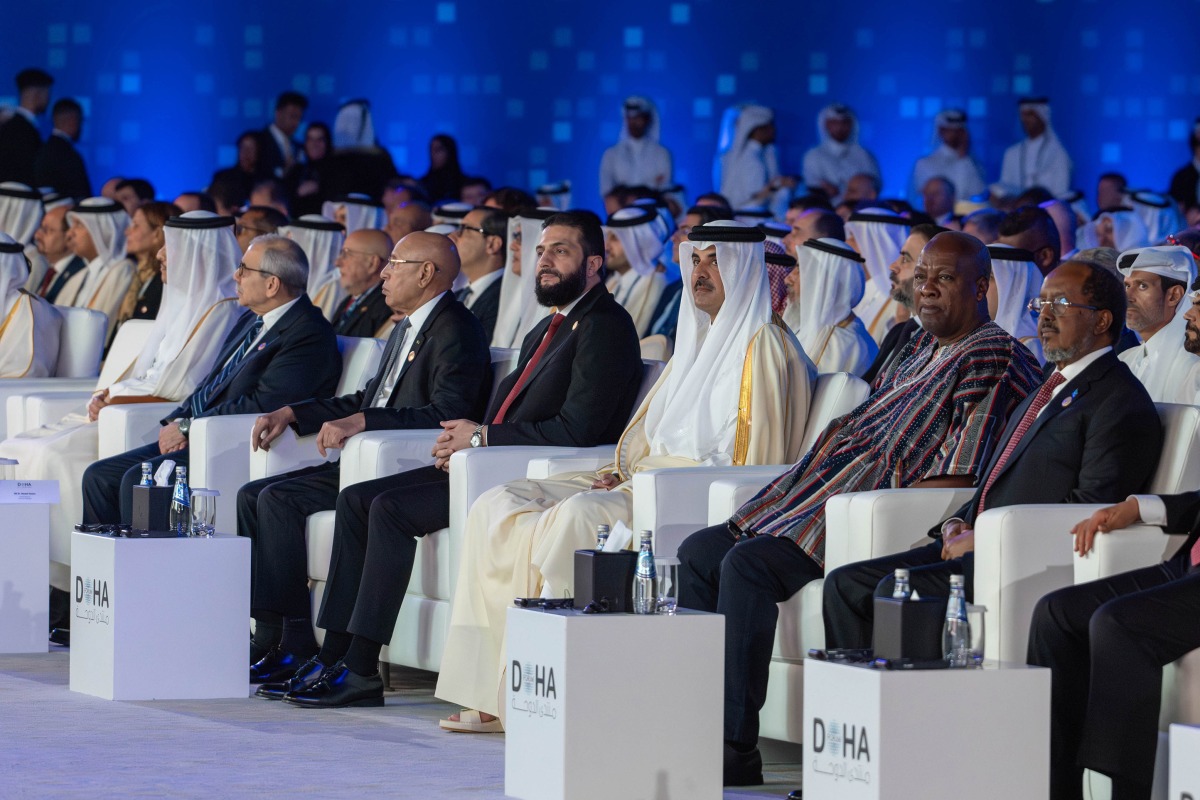

The 2023 Doha Forum concluded Saturday in Qatar, with leaders emphasizing the need for international cooperation to address escalating global tensions and promote sustainable peace. The annual event, held in Doha, brought together policymakers, business leaders, and civil society representatives from around the world to discuss pressing geopolitical and economic challenges. The Amir HH Sheikh Tamim bin Hamad Al-Thani underscored the importance of collective action in a statement released on X (formerly Twitter).
This year’s forum took place against a backdrop of ongoing conflicts, particularly in Ukraine and Gaza, and rising concerns about climate change and economic instability. Discussions focused on mediation, diplomacy, and the necessity of upholding international law. According to the official Doha Forum website, over 700 prominent figures participated in the two-day event, contributing to a range of panel discussions and workshops.
The Importance of the Doha Forum in Global Diplomacy
The Doha Forum has established itself as a significant platform for dialogue, particularly concerning issues impacting the Middle East and Africa. Since its inception in 2000, it has aimed to foster collaboration and provide solutions to regional and international conflicts. The forum differs from many global events by providing a space specifically for pragmatic discussions on conflict resolution and preventative diplomacy.
This year’s iteration placed significant focus on the challenges facing the developing world, with discussions around debt relief, financial inclusion, and access to technology. Participants highlighted the interconnected nature of these issues, stating that addressing them requires a multifaceted approach involving governments, international organizations, and the private sector. Furthermore, the increasing relevance of international cooperation was a recurring theme throughout the proceedings.
Focus on Regional Stability
Sheikh Tamim’s remarks specifically noted the crucial need to reduce tensions and support peace in the region. Qatar has long positioned itself as a mediator in regional disputes, and the forum served as an opportunity to reaffirm this commitment. Concerns over the ongoing conflict in Sudan and the humanitarian crisis in Yemen were also consistently raised during the various sessions.
Qatar’s geopolitical role has been increasing in recent years, taking on a more prominent role in mediating disagreements between regional actors. Analysts suggest this increased activity contributes to the country’s evolving foreign policy objectives focused on regional security, according to reports from the Middle East Council on Global Affairs.
Sustainability and Climate Action
Alongside peace and security, the Doha Forum dedicated considerable attention to sustainability and climate change. Discussions centered on the implementation of the Paris Agreement, the need for greater investment in renewable energy, and the development of climate resilience strategies, particularly in vulnerable nations. The promotion of sustainable development was presented as essential for long-term stability and prosperity.
However, achieving these goals presents significant challenges. Limited access to financing, technological barriers, and a lack of political will in some countries are hindering progress. The role of technology in addressing climate change, including carbon capture and storage, also garnered debate.
Several side events focused on promoting innovation and entrepreneurship as drivers of economic growth and job creation. These events provided a platform for startups and small businesses to connect with potential investors and partners. The emphasis on economic diversification reflects Qatar’s broader efforts to reduce its reliance on oil and gas revenues.
The Amir’s closing statement emphasized the need for upholding principles of justice and human development as core tenets in conflict resolution. This underlines Qatar’s commitment to addressing the root causes of instability and fostering inclusive societies. The principle of peaceful solutions was continually highlighted as preferable to all other options.
Looking ahead, the outcomes of the Doha Forum will likely inform Qatar’s diplomatic engagements in the coming months. Follow-up discussions and initiatives are expected to address the key themes raised during the event, including mediation efforts in ongoing conflicts and promoting sustainable development goals. The specifics of these initiatives and their timelines remain to be seen, dependent on regional developments and international consensus.