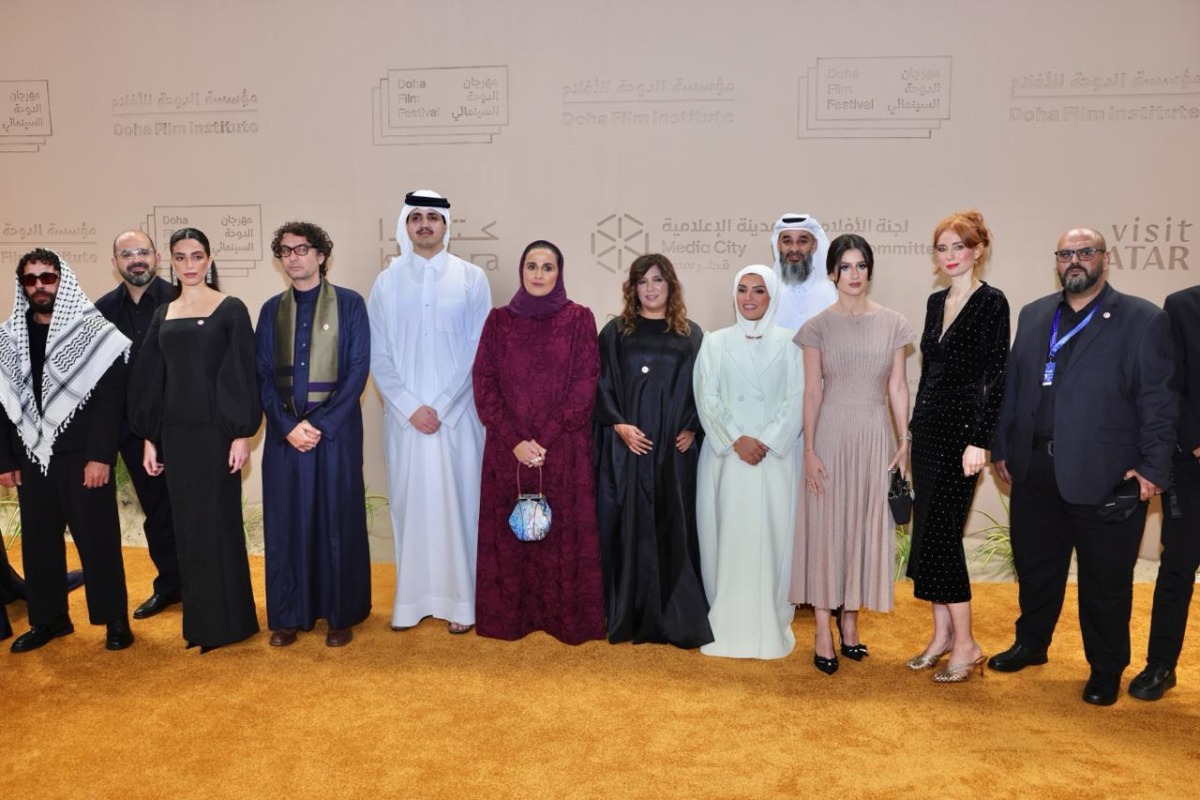

The Doha Film Festival 2025 commenced tonight in Qatar with the premiere of Kaouther Ben Hania’s critically acclaimed film, *The Voice of Hind Rajab*. The festival, presented by the Doha Film Institute (DFI), aims to showcase global cinema and foster dialogue through artistic expression. Numerous dignitaries and filmmakers attended the opening ceremony, signaling a significant cultural event for the region.
Held in locations across Doha, including Katara Cultural Village and the Museum of Islamic Art, the festival intends to be a hub for filmmakers and audiences worldwide. The opening night saw recognition for actors Jamal Soliman and Golshifteh Farahani, who were presented with the DFF 2025 Creative Excellence Award for their contributions to storytelling. The event also included attendees such as H.E. Sheikha Al-Mayassa bint Hamad bin Khalifa Al Thani and a host of international film industry professionals.
A Milestone for Qatar’s Film Industry: The Doha Film Festival
This year marks the 15th anniversary of the Doha Film Institute, with the festival celebrating a commitment to supporting film as an art form and a platform for diverse voices. Fatma Hassan Alremaihi, Festival Director and CEO of DFI, emphasized the institute’s role in establishing a “golden age of Arab cinema,” positioning it as an essential part of global film history. The festival is envisioned as a space for creativity and collaboration, solidifying Qatar’s growing presence on the international film stage.
Showcasing Diverse Stories and Artistic Talent
The festival will feature four main competition sections, alongside special screenings, music performances, and community events like “Geekdom.” Prizes totaling over USD $300,000 will be awarded, recognizing excellence in filmmaking. *The Voice of Hind Rajab*, which opened the festival, is a powerful offering, focusing on a Palestinian woman’s story and featuring individuals directly affected by the events depicted. The film’s crew and those portrayed in the movie were present at the premiere, highlighting the festival’s dedication to impact-driven cinema.
Additionally, the festival boasts a diverse range of global attendees. Renowned filmmakers like Jim Sheridan and Elia Sulieman were among the names present, alongside creative luminaries such as Yasmine Hamdan and Dhafer L’abidine. Stars from across the Arab world, including Engin Altan Duzyatan and Ayca Aysin Turan, added to the international prominence of the event. This diverse guest list reflects the festival’s overarching ambition to foster cultural exchange.
The festival’s original theme song, composed by Dana Al Fardan in collaboration with Katara Studios and the Qatar Philharmonic Orchestra, aims to capture the spirit of Doha and the emotional resonance of the cinematic experience. Key partners in bringing the Doha Film Festival to life include Katara, the Film Committee at Media City Qatar, and Visit Qatar, showcasing a unified effort from vital Qatari organizations.
However, the broader landscape for cinema festivals continues to evolve. Competition from streaming services and changing viewing habits are factors impacting traditional festivals globally, leading organizers to focus on unique experiences and community engagement. The influence of film funding and talent support programs, like those championed by the DFI, will increasingly be important for sustaining the industry.
The Doha Film Festival is scheduled to continue through November 25th, 2025. Organizers will be tracking audience engagement and critical reception to inform future programming. The success of this year’s event will likely influence the long-term strategy of the Doha Film Institute and Qatar’s role in the global film ecosystem. The awards ceremony and final screenings are expected to draw significant attention, further solidifying the festival’s impact.
It remains to be seen how the festival will address the evolving challenges facing the film industry, but its commitment to showcasing diverse voices and supporting artistic expression positions it as a key platform for the future of cinema.