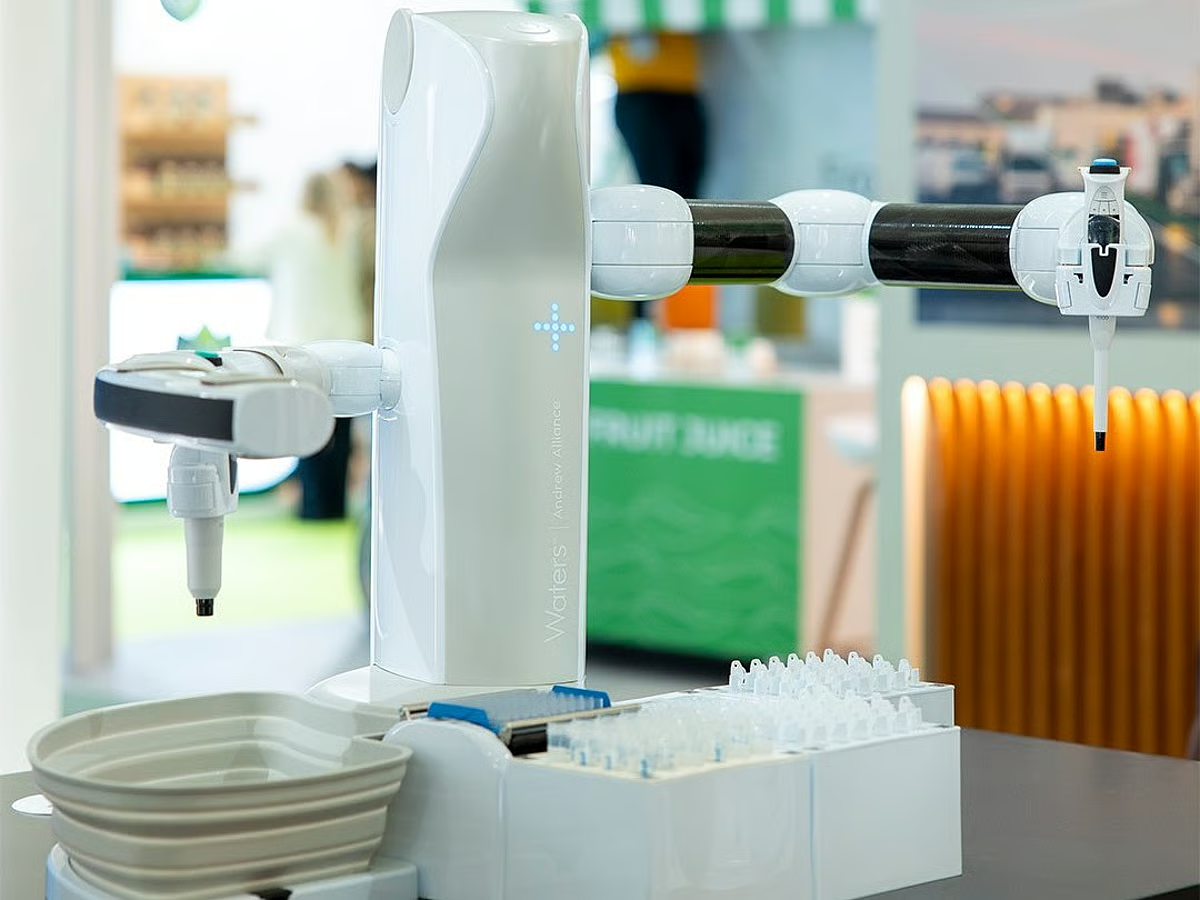

Dubai Municipality is leveraging artificial intelligence to enhance food safety and streamline regulatory processes. The municipality recently showcased Ghalia, an AI-powered virtual assistant designed to provide instant information on food safety regulations and school nutrition guidelines, alongside other smart solutions at the Gulfood exhibition. This initiative reflects a broader commitment to digital transformation within Dubai’s food ecosystem.
Ghalia is intended to serve students, parents, and food suppliers, offering quick and reliable access to crucial health and regulatory data. The launch of this technology comes as Dubai continues to increase its oversight of the food trade sector, inspecting nearly 1.95 million food products in 2023. The move aims to bolster public health and maintain high standards of food quality throughout the emirate.
Advancing Food Safety with AI
The development of Ghalia underscores Dubai Municipality’s strategy to integrate advanced technologies into all aspects of food control. According to officials, this approach is vital for creating a more resilient and sustainable food system. The AI assistant is designed to handle a wide range of inquiries, reducing the burden on human resources and accelerating response times to common questions.
This isn’t Dubai’s first foray into tech-driven food oversight. The municipality is also deploying smart glasses for inspections at ports and food establishments. These glasses enable fully digital and remote inspection processes, increasing efficiency and transparency while ensuring compliance with regulations. This technology allows inspectors to access information hands-free and document findings in real-time.
Streamlining Trade with Montaji+
Additionally, Dubai Municipality highlighted Montaji+, an integrated platform for regulating imported and exported food products. The system provides a unified framework for managing the flow of goods, featuring a database of over 1.5 million registered products. Montaji+ supports effective monitoring and tracking of food import and export operations, contributing to a more secure supply chain.
The implementation of Montaji+ is particularly important given Dubai’s role as a major regional hub for food trade. By centralizing product information and streamlining inspection procedures, the platform aims to facilitate trade while upholding stringent safety standards. This system is designed to reduce delays and improve the overall efficiency of the import/export process.
The municipality’s efforts in digital transformation are supported by a significant increase in inspection activity. In 2023, nearly 580,000 food consignments were inspected, demonstrating a commitment to rigorous oversight. This level of scrutiny is essential for protecting consumers and maintaining confidence in the food supply.
The focus on technology also aligns with broader trends in the global food industry. Many countries are exploring the use of AI, blockchain, and other innovations to improve traceability, reduce food fraud, and enhance overall supply chain management. Dubai’s proactive approach positions it as a leader in this area.
However, the success of these initiatives will depend on several factors, including the accuracy of the AI algorithms and the seamless integration of the various digital platforms. Ongoing training for inspectors and clear communication with food suppliers will also be crucial. Data privacy and security considerations are paramount as these systems collect and process sensitive information.
The municipality emphasized that these technologies are not intended to replace human inspectors but rather to augment their capabilities. The goal is to create a more efficient and effective food safety system that leverages the strengths of both humans and machines. This blended approach is seen as the most sustainable way to ensure food safety in the long term.
Looking ahead, Dubai Municipality plans to continue expanding its digital services and exploring new technologies to further enhance food safety. The next phase of development will likely focus on integrating data from various sources to create a more comprehensive and real-time view of the food supply chain. Monitoring the impact of these technologies on inspection efficiency and food safety outcomes will be key to informing future investments and policy decisions.