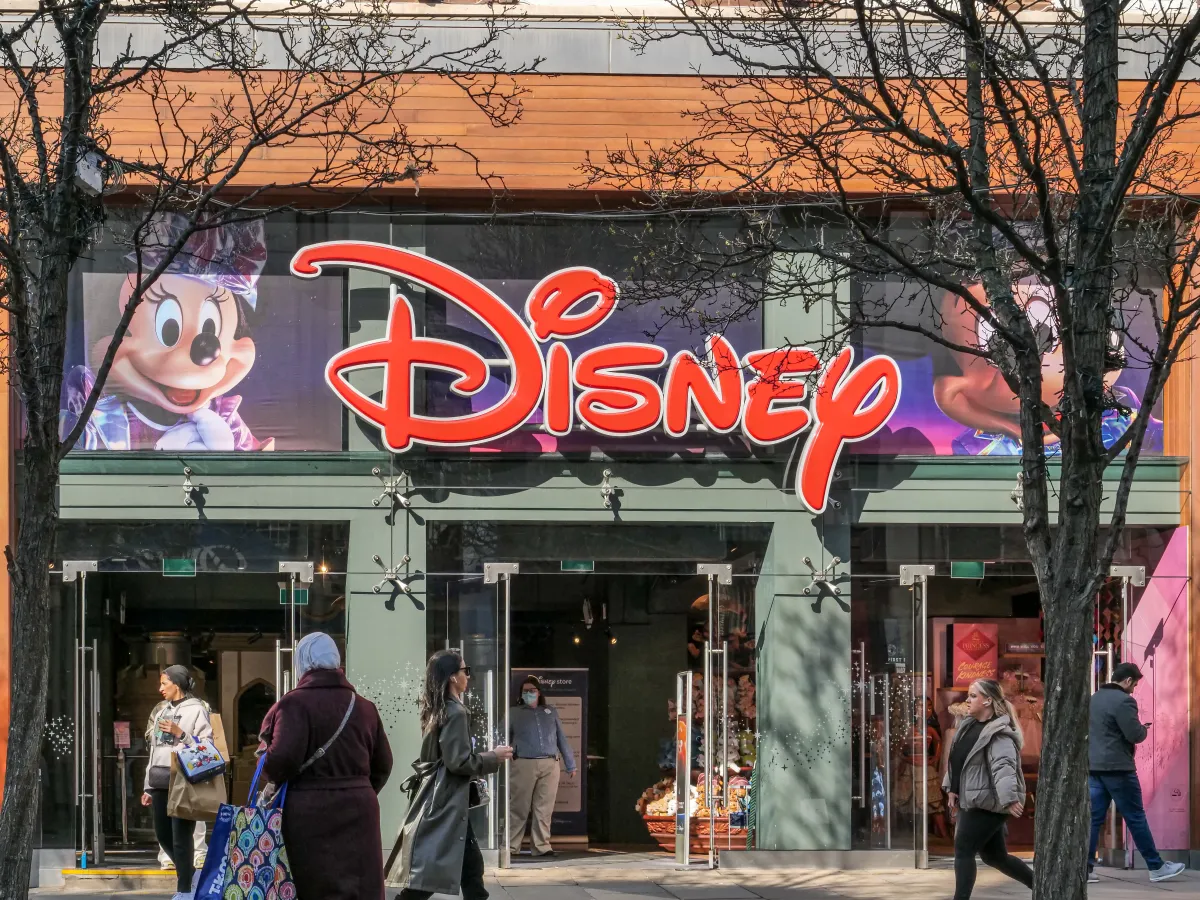

The entertainment industry is navigating a new frontier as Disney entered into a multi-year licensing partnership with OpenAI, the creator of the Sora text-to-video AI model. This collaboration, revealed last week, grants OpenAI access to Disney’s vast library of characters for use within Sora, but crucially, includes a period of artificial intelligence exclusivity. Disney CEO Bob Iger clarified that this exclusivity lasts only for one year, after which the company is free to explore similar agreements with competitors.
The deal allows users of OpenAI’s Sora to generate videos featuring over 200 characters spanning Disney, Pixar, Marvel, and Star Wars franchises. This marks a significant move for Disney, a company historically protective of its intellectual property, into the rapidly evolving world of generative AI. The partnership aims to test the possibilities and potential risks of integrating AI technology with its iconic brands.
Disney’s Calculated Approach to Artificial Intelligence Licensing
Disney’s agreement with OpenAI isn’t a blanket endorsement of unrestricted AI use of copyrighted material. Instead, it’s a carefully structured arrangement designed to allow controlled experimentation. According to Iger’s comments to CNBC, the initial exclusivity period serves as a testing ground for Disney to understand how its characters are utilized within the Sora platform and assess the impact on its brand.
The motivation behind this strategic alliance centers on acknowledging the inevitability of AI’s advancement. Iger stated that Disney doesn’t intend to obstruct technological progress, even if it disrupts existing business models. He views proactive engagement as the best course of action, positioning the company to benefit from, rather than be harmed by, generative AI.
Collaboration vs. Copyright Enforcement
This partnership exists alongside a more assertive stance on copyright protection. Concurrently with the OpenAI announcement, Disney issued a cease-and-desist letter to Google, alleging copyright infringement related to the use of Disney content. The specific nature of Google’s alleged infringement hasn’t been publicly detailed, but it underscores Disney’s dual approach.
Disney is demonstrating its willingness to collaborate under defined terms while simultaneously defending its intellectual property rights against perceived unauthorized use. This strategy isn’t unique; many media companies are grappling with similar challenges as AI tools capable of generating content based on existing works become more prevalent.
OpenAI stands to gain considerably from this collaboration. Having access to Disney’s popular characters dramatically increases the appeal and potential use cases of Sora. The partnership provides valuable, high-profile content, attracting users and generating media attention for the AI video generator.
However, the one-year exclusivity clause is a key feature. While it offers OpenAI a competitive advantage in the short term, it also implies that Disney is not closing the door on future deals with other AI entities. This model enables the company to diversify its AI partnerships and potentially negotiate more favorable terms.
Legal Landscape & the Future of IP
The Disney-OpenAI agreement comes at a critical juncture for intellectual property law in the age of AI. Several ongoing legal battles attempt to define the boundaries of fair use when AI systems train on copyrighted material. A recent case involving Stability AI and Midjourney, for example, tested the legality of using copyrighted images to build AI image generators.
These cases are establishing precedents that will shape how AI companies operate and how rights holders can protect their content. Disney’s involvement, both through collaboration and enforcement, adds significant weight to this debate. The company’s brand recognition and legal resources make it a major player in shaping the future of AI-related copyright regulations.
Industry observers suggest that the Disney-OpenAI deal could encourage other media companies to pursue similar licensing agreements. Content creators are increasingly exploring ways to leverage AI for new revenue streams and creative possibilities, rather than solely focusing on legal challenges. This shift could lead to a more collaborative ecosystem where AI and intellectual property coexist—albeit with carefully negotiated terms.
The situation with Google, though less defined publicly, highlights the potential for friction. It remains to be seen how Google will respond to Disney’s cease-and-desist letter and whether the dispute will escalate. This type of legal action is likely to become more common as AI technology evolves and tests the limits of copyright protection.
The long-term implications of this partnership, and others like it, are uncertain. Questions around control, attribution, and the potential for misuse of AI-generated content remain. Disney’s internal assessment during the exclusivity period will be paramount in determining its future strategy regarding generative AI and its intellectual property.
Looking ahead, the next step involves observing how Sora users integrate Disney characters into their creations and how Disney reacts to that content. The expiration of the exclusivity agreement in one year will also be a crucial moment, as it will reveal whether Disney seeks similar partnerships with other AI firms and under what conditions. The unfolding dynamics between Disney, OpenAI, and other tech companies will continue to set the tone for the intersection of digital media and artificial intelligence.
Ultimately, the industry will be watching to see how Disney balances innovation with its commitment to safeguarding the value of its cherished brands in this new technological era.