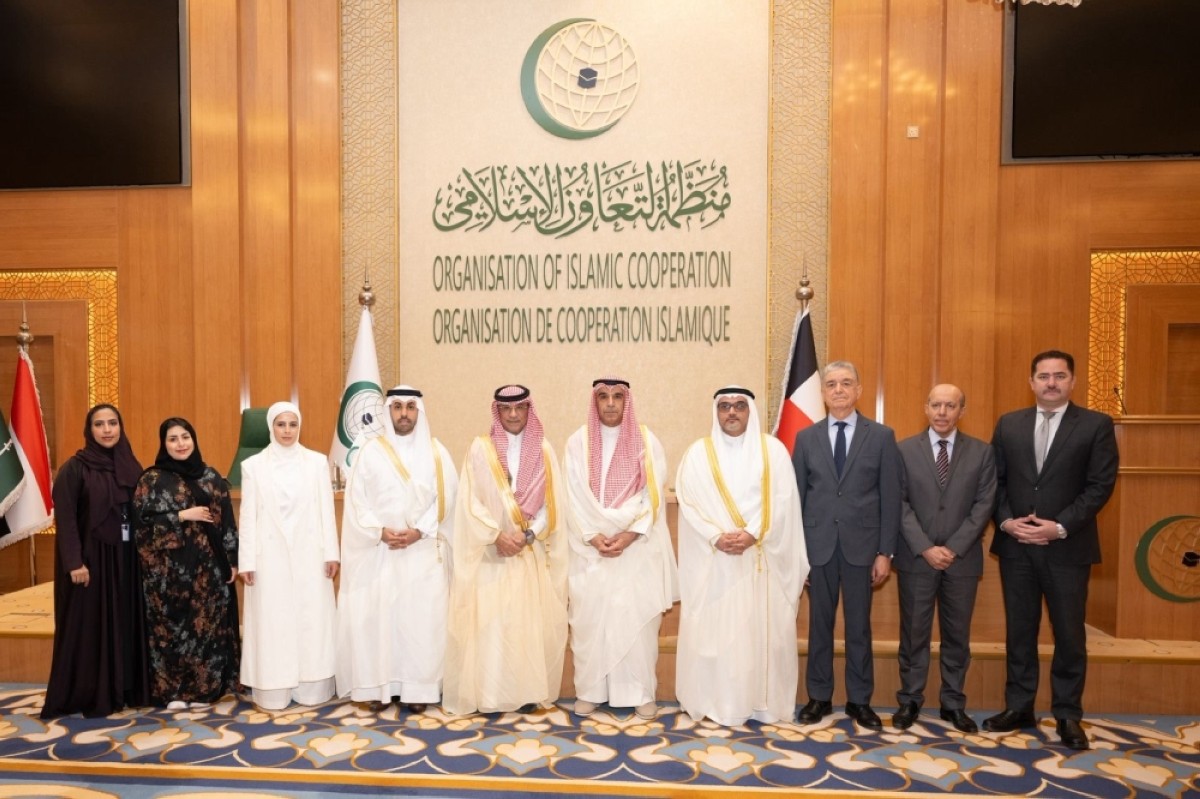

The burgeoning field of international relations within the Islamic world received a significant boost this week with a new partnership focused on diplomatic training. The Kuwaiti Saud Al-Nasser Al-Sabah Diplomatic Institute and the Organization of Islamic Cooperation (OIC) formalized their commitment to collaborative efforts, aiming to strengthen diplomatic capabilities across member states. This agreement, signed in Jeddah, marks a pivotal moment for enhanced cooperation and capacity building in a region facing complex global challenges.
Strengthening Islamic Diplomacy: A New Partnership
On Monday, a cooperation framework was signed at the OIC headquarters in Jeddah, solidifying a commitment between the Saud Al-Nasser Al-Sabah Diplomatic Institute and the Organization of Islamic Cooperation. The signing ceremony was a testament to the growing need for specialized diplomatic training and coordinated action within the Islamic world. Ambassador Nasser Al-Subaih, Assistant Minister of Foreign Affairs for the Saud Al-Nasser Al-Sabah Diplomatic Institute, and Ambassador Yousef Al-Dubaie, Assistant Secretary-General for Political Affairs of the OIC, officially represented their respective organizations.
This landmark agreement represents the first formal collaboration of its kind between these two prominent institutions. It’s designed to foster a more unified and effective approach to international engagement for OIC member states.
Focus Areas of the Cooperation Framework
The core of the agreement centers around several key areas of collaboration. Primarily, the two entities will work together to provide comprehensive training programs for diplomats representing OIC member states. These programs will be geared towards developing specialized diplomatic cadres equipped to navigate the intricacies of modern international relations.
Additionally, the framework emphasizes capacity-building initiatives. These programs will focus on enhancing understanding of critical international issues, specifically within the context of joint Islamic action and effective public diplomacy. Addressing shared challenges faced by member states is also a central tenet of this new partnership.
Building Diplomatic Capacity Through Joint Programs
The initiative is expected to significantly expand training opportunities for diplomats from across the Islamic world. This will involve the development of tailored curricula, workshops, and potentially exchange programs designed to foster a deeper understanding of global affairs and best practices in diplomatic skills.
The Saud Al-Nasser Al-Sabah Diplomatic Institute brings a wealth of experience to the table, having established a strong track record in preparing and developing diplomatic personnel. Its existing partnerships with regional and international diplomatic and academic institutions further enhance its ability to deliver high-quality training. The OIC, with its broad reach and mandate, provides the ideal platform for disseminating these programs to a wide audience of member states.
The Importance of Public Diplomacy
A key component of the collaboration will be a focus on public diplomacy. In an era of rapid information dissemination and increasing public scrutiny, effective communication and engagement with international audiences are crucial. The joint programs will likely incorporate modules on strategic communication, media relations, and cultural understanding, equipping diplomats with the tools to effectively represent their countries and the broader Islamic world. This focus on international relations is vital for building bridges and fostering mutual respect.
Key Attendees and Future Implications
The signing ceremony was attended by several key figures, including Kuwait’s Consul General in Jeddah and Permanent Representative to the OIC, Yousef Al-Tunib, alongside Counselor Turki Al-Daihani, Deputy Permanent Representative and Counselor at the Kuwaiti Delegation to the OIC, and Asmaa Al-Hajji, Diplomatic Attaché at the Saud Al-Nasser Al-Sabah Diplomatic Institute. Their presence underscored the importance of this collaboration to Kuwait and the wider region.
This agreement isn’t just about training diplomats; it’s about fostering a more cohesive and effective approach to international engagement for the OIC. It’s about building a cadre of skilled professionals who can navigate complex geopolitical landscapes and advocate for the interests of their respective nations and the broader Islamic community. The development of these diplomatic capabilities will be crucial for addressing shared challenges, promoting peace, and fostering sustainable development.
Looking Ahead: A New Era of Collaboration
The partnership between the Saud Al-Nasser Al-Sabah Diplomatic Institute and the OIC represents a significant step forward in strengthening diplomatic ties and fostering greater cooperation within the Islamic world. By investing in diplomatic training and capacity building, the two organizations are laying the foundation for a more effective and unified approach to international relations. This collaboration promises to deepen dialogue, expand opportunities, and ultimately contribute to a more peaceful and prosperous future for all OIC member states.
We can anticipate further announcements regarding specific program details and implementation timelines in the coming months. This is a developing story with the potential to reshape the landscape of Islamic diplomacy for years to come.