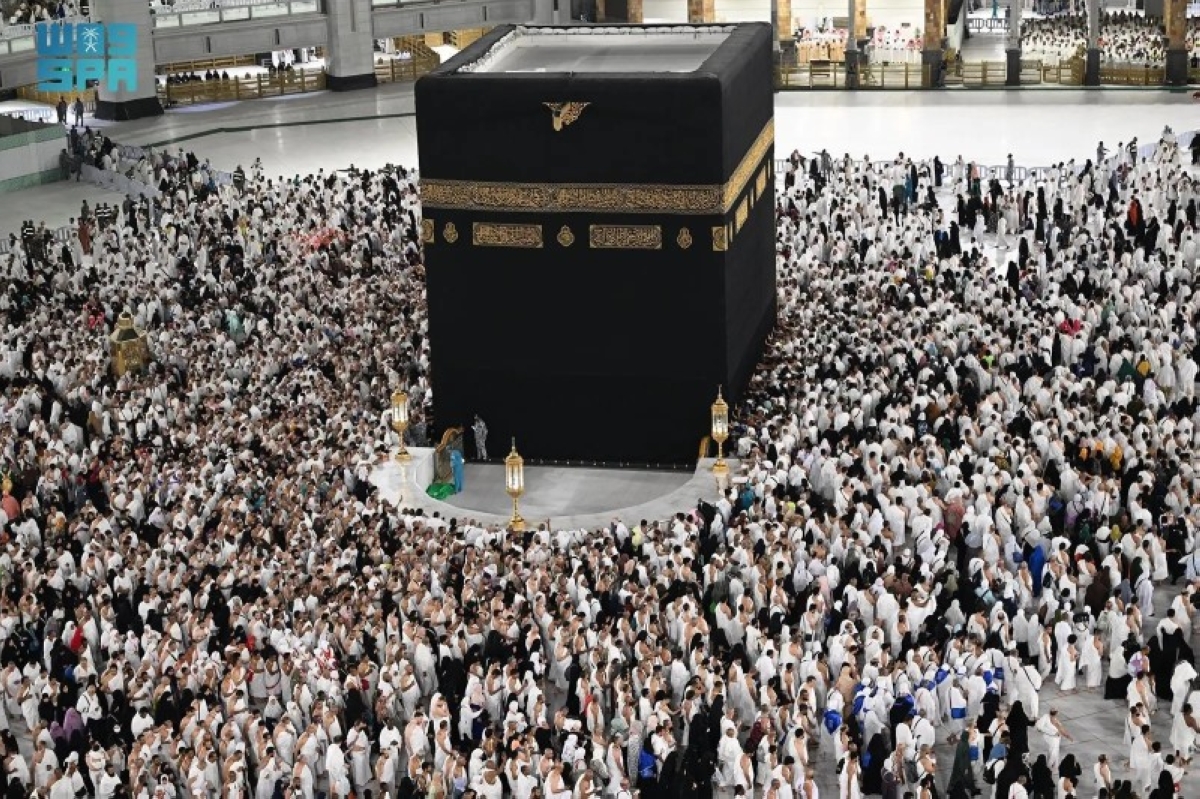

The General Authority for the Care of the Affairs of the Grand Mosque and the Prophet’s Mosque has launched “Digital Mutawwif,” a new platform designed to guide pilgrims through the Umrah rituals. Available to visitors at the Grand Mosque in Makkah, the service offers step-by-step instructions and multilingual support to simplify the sacred journey. The platform aims to improve the overall experience for the increasing number of individuals undertaking this Islamic pilgrimage each year.
This initiative comes as Saudi Arabia continues to invest heavily in technology to enhance services for pilgrims, particularly following the lifting of pandemic-related restrictions. The “Digital Mutawwif” platform is accessible through the authority’s official digital channels and is intended to complement the traditional guidance provided by human mutawwifs (religious guides). Implementation began with the current Umrah season and is an ongoing development project.
Enhancing the Umrah Experience with Digital Innovation
The core function of the Digital Mutawwif centers on providing a comprehensive guide to the Umrah process. This includes detailed explanations of each ritual, from entering the Ihram state to performing the Farewell Tawaf (Tawaf al-Wada). The platform is intended to be particularly helpful for first-time pilgrims or those unfamiliar with the Grand Mosque’s layout and procedures.
Key Features of the Digital Mutawwif
Beyond basic ritual guidance, the Digital Mutawwif offers several key features designed to improve the pilgrim’s experience. Interactive maps assist in navigating the expansive grounds of the Grand Mosque, helping reduce congestion and lost time. Additionally, it provides access to audio and video supplications (du’a) in multiple languages, facilitating prayer and remembrance.
Pilgrims can also utilize integrated electronic counters for the Tawaf (circumambulation of the Kaaba) and Sa’i (walking between the hills of Safa and Marwa). These counters enable individuals to accurately track the required number of laps, ensuring the ritual is completed correctly. According to the authority, this feature addresses a common concern for pilgrims seeking clarity and precision in their worship.
To accommodate the diverse international community performing Umrah, the platform currently supports seven languages. This reflects the ongoing efforts to make the pilgrimage more accessible and inclusive. The availability of multiple languages aims to minimize misunderstandings and ensure all pilgrims can benefit from the guidance offered.
Saudi Arabia has significantly increased its capacity for receiving pilgrims in recent years. This surge in numbers underscores the necessity for efficient and modern systems to manage the flow of people and provide essential support. Prior to the launch of Digital Mutawwif, overcrowding and difficulty in understanding procedures were frequently cited challenges by those undertaking the pilgrimage.
The introduction of this platform is part of the broader Saudi Vision 2030 plan which prioritizes improving the quality of life and diversifying the economy. Investing in technology to enhance the Hajj and Umrah experiences is a key component of this strategy, aimed at attracting more visitors and transforming the sector. The Ministry of Hajj and Umrah has especially focused on streamlining processes for international visitors.
However, the Digital Mutawwif is not intended to replace the role of human mutawwifs entirely. Many pilgrims still prefer personal guidance and the cultural understanding offered by experienced religious leaders. The platform is instead presented as a supplemental tool, reinforcing traditional support and ensuring a wider range of options are available.
The rollout of this technology has been generally positive, although some observers note the importance of ensuring widespread access to smartphones and internet connectivity is available within the mosque complex. Connectivity issues could limit the usefulness of the platform for some individuals, particularly those from regions with lower digital literacy rates. The authority has indicated ongoing monitoring and improvement of the service based on pilgrim feedback and technical performance.
Furthermore, the development and implementation of the Digital Mutawwif highlight the growing trend of incorporating technology into religious practices globally. Similar initiatives can be found in other holy sites, demonstrating a broader shift towards leveraging digital tools to enhance spiritual experiences and logistical support. This modernization of religious services, known as “smart worship,” is expected to continue evolving.
Looking ahead, the General Authority plans to integrate additional features into the Digital Mutawwif, potentially including personalized itineraries and real-time crowd management information. The success of the initial launch will be evaluated based on user engagement metrics and feedback collected during the current Umrah season. Further expansion of language support and functionality is anticipated, though a specific timeline has not yet been announced, and consistent updates to address technical challenges and user needs will be crucial.
The long-term impact on the demand for traditional mutawwif services remains to be seen.