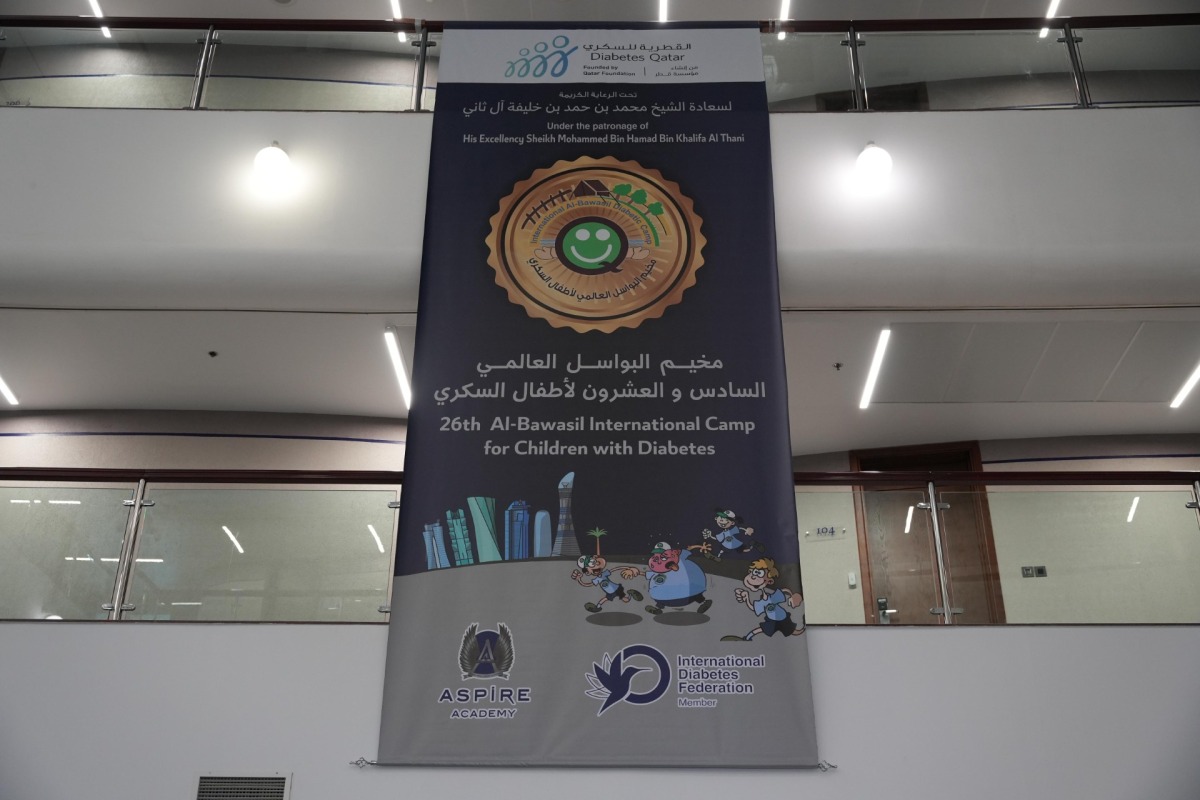

Doha, Qatar – Diabetes Qatar, with sponsorship from Ooredoo, has launched its 26th annual Al-Bawasil Camp for children aged 7-11 diagnosed with diabetes. The six-day camp, held at Aspire Academy, brings together 72 children from 11 countries alongside Qatari participants, aiming to improve their self-management skills and foster a supportive community. This regional initiative addresses the increasing prevalence of childhood diabetes and the need for specialized education.
The opening ceremony, held at both Aspire Academy and the Qatar Foundation Student Centre, marked the official commencement of the camp. Dr. Abdullah Al-Hamaq, Executive Director of Diabetes Qatar and General Supervisor of the camp, extended a welcome to the children, their families, and international delegations. This year’s gathering represents a significant milestone in the camp’s continued expansion and influence.
Al-Bawasil Camp: Empowering Children Living with Diabetes
Al-Bawasil Camp has evolved significantly since its inception in 1999, initially serving only children in Qatar. According to Diabetes Qatar, the camp broadened its reach to include Gulf Cooperation Council (GCC) countries in 2009 and welcomed its first international participants in 2013. This expansion led to recognition from the International Diabetes Federation as a global camp capable of supporting children worldwide.
The core objective of Al-Bawasil Camp is to provide a comprehensive and engaging program that enhances children’s understanding of their condition. Participants receive instruction on managing blood glucose levels, proper nutrition, and the importance of regular physical activity. The camp’s curriculum is designed to be age-appropriate and fun, minimizing the anxieties often associated with managing a chronic illness.
A Regional Hub for Diabetes Education
The camp’s location at Aspire Academy for Sports Excellence provides an ideal setting, integrating educational objectives with recreational opportunities. The academy’s facilities support a variety of activities promoting an active lifestyle for children with diabetes. Additionally, the camp aims to diminish the social and psychological challenges that can accompany a diabetes diagnosis.
During the opening ceremony, a motivational video emphasized that a diabetes diagnosis does not limit a child’s potential. The video highlighted success stories of children living with diabetes and the positive impact of the Al-Bawasil experience. The event also featured entertainment, including performances with popular cartoon characters.
The rising rates of type 1 and type 2 diabetes in children globally underscore the need for preventative measures and improved management strategies. The World Health Organization (WHO) reports a growing concern over childhood obesity as a major contributing factor to type 2 diabetes. Initiatives like Al-Bawasil Camp play a crucial role in equipping young people and their families with the tools necessary to navigate the disease successfully.
Moreover, the camp provides a platform for international collaboration and the sharing of best practices in pediatric diabetes care. Healthcare professionals often volunteer at the camp, fostering a learning environment for both children and staff. This contributes to the ongoing development of culturally sensitive and effective diabetes management programs.
Looking ahead, Diabetes Qatar plans to continue expanding the reach of Al-Bawasil Camp, potentially increasing the number of participating countries and offering additional program sessions. The long-term impact of the camp on participants’ health outcomes and quality of life will continue to be assessed, and future iterations will incorporate findings from these evaluations. Continued monitoring of childhood diabetes statistics in the region will inform future program development and resource allocation.