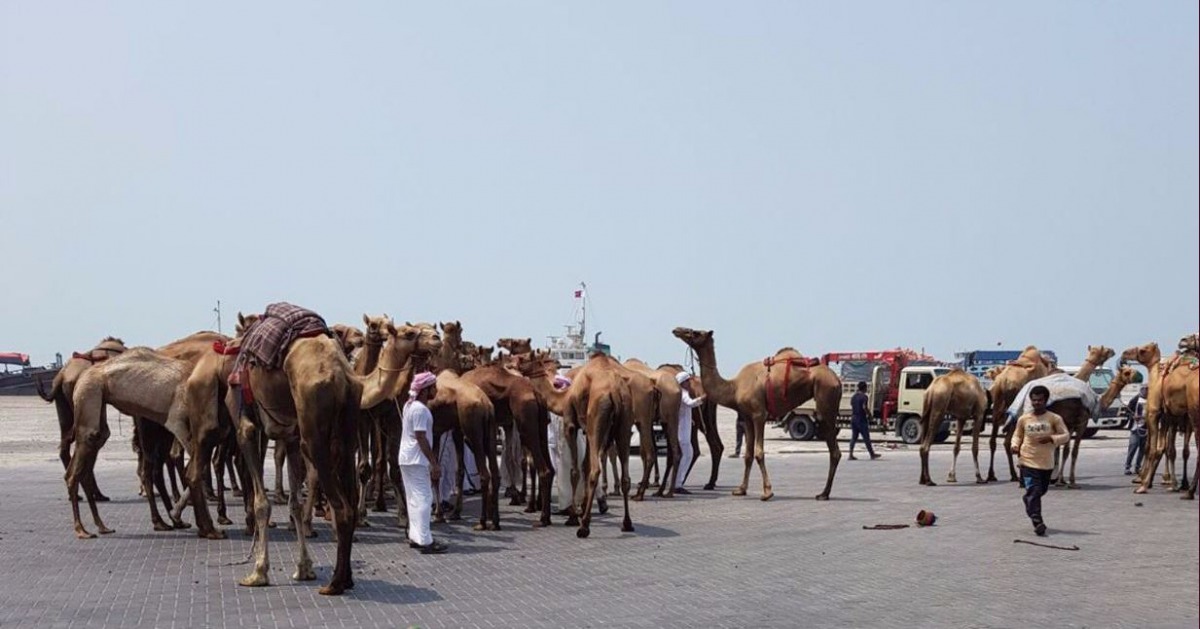

Doha, Qatar – The Camel Racing Organizing Committee has announced details for the Founder Sheikh Jassim bin Mohammed bin Thani camel festival, a major event in the regional sporting calendar. The 15-day festival, beginning December 13, 2025, at Al Shahaniya and Lobsair Racetracks, is expected to draw a record number of participants from across the Gulf Cooperation Council (GCC) countries. With substantial prize money and a focus on both traditional and modern racing formats, the festival aims to celebrate Qatar’s heritage and promote the sport of camel racing.
The inaugural event of the 2025-2026 season will run through December 27, 2025, and feature 337 races categorized for royal camels owned by dignitaries and tribal camels. Organizers have allocated 28 prestigious awards, with the coveted Golden Sword reserved for the winner of the tribal camel race, representing a significant honor within the community. This year’s event promises to be one of the largest and most competitive camel racing gatherings to date.
The Return of Traditional Racing and a Focus on Competition
The festival will begin with a nod to the sport’s origins. Two heritage “Human Rider” camel races, spanning four kilometers, will kick off the event on December 13th. The first race is exclusively for Qatari riders, while the second welcomes GCC participants aged 18-35. This format harkens back to the historical practice of camel racing before the introduction of robotic jockeys, according to the organizing committee.
Event Schedule and Categories
Following the opening heritage races, evening sessions will be dedicated to competitions for royal camels through December 17th. Subsequently, the focus will shift to races for tribal camels, continuing until the festival’s conclusion. This division allows for focused competition within each category, ensuring a fair and engaging experience for all participants. The event is expected to boost sports tourism in Qatar.
The festival’s growing popularity reflects the increasing investment in camel racing across the GCC region. Camel racing has deep cultural roots in the Arabian Peninsula, traditionally serving as a demonstration of tribal prestige and horsemanship. Modernization, including the use of robotic jockeys following concerns about child labor, has broadened the sport’s appeal and increased its competitiveness.
Significant Prize Money Attracts Elite Camels
The organizing committee has allocated substantial cash and in-kind prizes to incentivize participation and reward excellence. Beyond awards for general races, major prizes will be awarded for specific competitions, underscoring the festival’s prestige. This investment is intended to encourage participants to strive for peak performance and attract the highest caliber of camels and riders.
The final day of the festival will see approximately QR 25 million distributed among the six concluding races. The Golden Sword race for Al Heil, open to Tribal Camels, will award QR 10.5 million in total, with QR 5 million going to the winner. Second place will receive QR 2.5 million, followed by QR 1.5 million, QR 1 million, and QR 500,000 for third, fourth, and fifth place respectively. This substantial prize pool is expected to draw some of the most highly-regarded racing camels in the region.
Additionally, the festival is anticipated to provide a significant economic benefit to the Al Shahaniya and Lobsair areas, with increased demand for hospitality services and local businesses. The event also serves as a platform for showcasing Qatari culture and traditions to an international audience.
Looking ahead, the organizing committee will focus on finalizing logistical arrangements and confirming participant registrations in the coming months. The success of the Founder Sheikh Jassim bin Mohammed bin Thani camel festival will likely influence the scheduling and format of future events in the 2025-2026 season. Further details regarding specific race conditions and entry requirements are expected to be released closer to the event date, and organizers will be monitoring potential impacts from regional and global events.