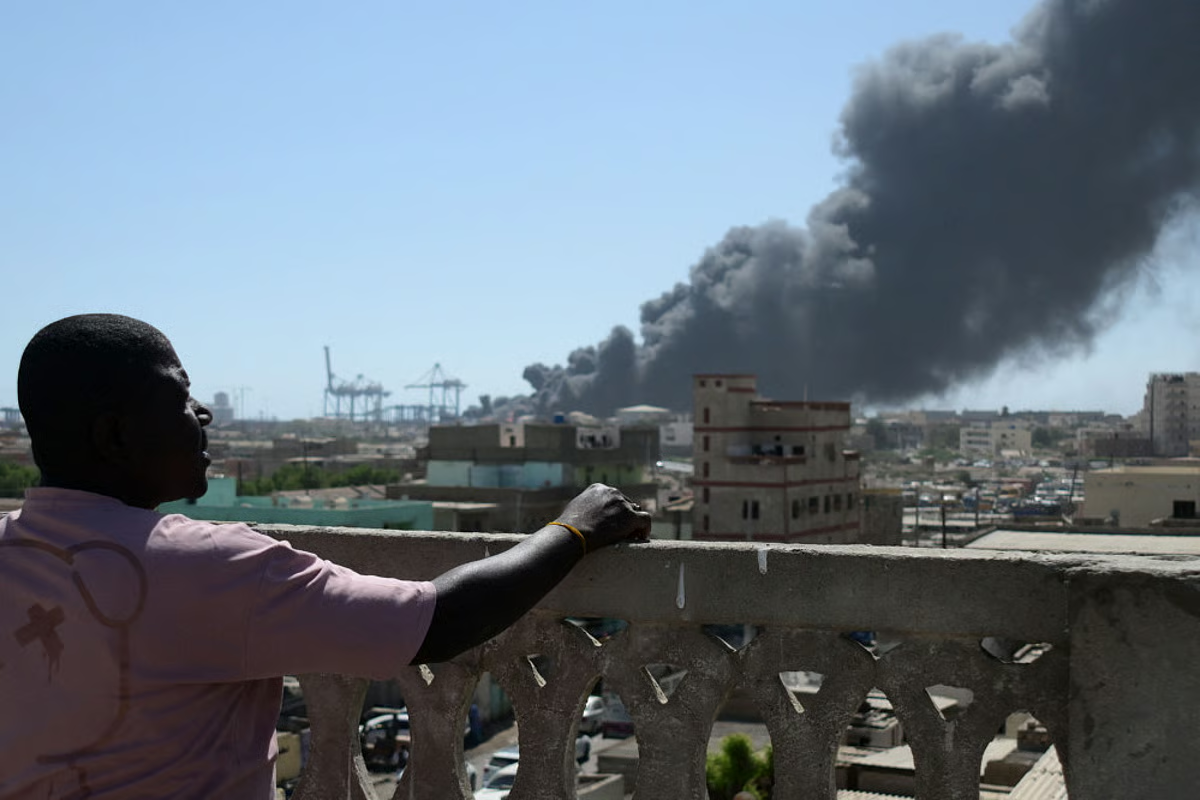

The ongoing conflict in Sudan is entering a critical phase, with increasing calls for civilian leadership to take control of peace negotiations and address the escalating humanitarian crisis. The fighting, primarily between the Sudanese Armed Forces (SAF) and the Rapid Support Forces (RSF), began in April 2023 and has since plunged the nation into chaos, displacing millions and creating a dire need for aid. A lasting Sudan conflict resolution hinges on the inclusion of civilian voices and the dismantling of extremist groups, according to recent statements from regional observers.
The violence is concentrated in the capital, Khartoum, and the Darfur region, but its effects are felt nationwide. International mediation efforts, led by the African Union, IGAD, and the United Nations, have repeatedly stalled, with both sides accused of obstructing ceasefire agreements. The situation is further complicated by the involvement of various armed groups and political factions, making a comprehensive peace process exceptionally challenging.
The Path Forward for Sudan Conflict Resolution
Recent analysis emphasizes the necessity of a civilian-led approach to resolving the Sudan conflict. This includes empowering civilian forces to define the political roadmap, facilitate a comprehensive political settlement, and oversee the delivery of humanitarian assistance. The current impasse demonstrates the limitations of a purely military solution, which many believe is unattainable given the widespread nature of the fighting and the diverse interests at play.
Humanitarian Crisis Deepens
The humanitarian situation in Sudan continues to deteriorate rapidly. The United Nations estimates that over 8 million people have been displaced, both internally and as refugees in neighboring countries like Chad, South Sudan, and Egypt. Access to food, water, and medical care is severely restricted, particularly in conflict zones, leading to widespread malnutrition and disease.
The World Food Programme (WFP) has warned of an impending famine if aid deliveries are not significantly increased. However, logistical challenges and security concerns continue to hamper humanitarian efforts. Obstruction of aid access by both the SAF and RSF has been widely reported, raising concerns about potential violations of international humanitarian law.
Calls for Accountability and Counter-Terrorism Measures
Alongside the push for civilian leadership, there are growing demands for accountability for those responsible for atrocities committed during the conflict. Reports of sexual violence, targeted killings, and indiscriminate attacks on civilians have surfaced, prompting calls for investigations and prosecutions.
Furthermore, some regional actors are advocating for the designation of certain Sudanese groups as terrorist organizations. Specifically, calls have been made to designate the Muslim Brotherhood and the National Congress Party, mirroring actions taken by several Arab states. This move, proponents argue, would help to dismantle networks that are fueling the instability and undermining the peace process. The Sudanese government has not yet formally responded to these requests.
The Role of Regional and International Actors
Regional and international actors are playing a crucial, though often fragmented, role in attempting to mediate the conflict. The African Union has been actively involved in facilitating talks between the warring parties, while IGAD has proposed a framework for a ceasefire and political dialogue. The United States and Saudi Arabia have also been engaged in diplomatic efforts, including hosting talks in Jeddah.
However, these efforts have been hampered by a lack of consensus among the key stakeholders and the continued intransigence of the SAF and RSF. Additionally, concerns have been raised about the potential for external interference, with accusations leveled against various countries of supporting one side or the other. The involvement of external powers adds another layer of complexity to the already challenging situation.
The Sudanese military, along with allied militias, has been accused of repeatedly undermining attempts to establish a ceasefire. Despite the immense human cost and material damage caused by the war, a military solution remains elusive. The conflict has created a power vacuum, exacerbating existing ethnic tensions and political rivalries. The ongoing instability also poses a threat to regional security, potentially triggering further displacement and cross-border conflicts.
A key challenge lies in restructuring Sudan’s security institutions. Experts suggest that a professional, unified army, accountable to civilian authorities, is essential for long-term stability. This would require significant reforms, including vetting personnel, establishing clear lines of command, and ensuring respect for human rights. The process of security sector reform is likely to be lengthy and complex, requiring sustained international support.
The economic consequences of the Sudan conflict are also severe. The war has disrupted agricultural production, crippled infrastructure, and led to a sharp decline in economic activity. The Sudanese pound has plummeted in value, and inflation is rampant. Rebuilding the Sudanese economy will require massive investment and a stable political environment. The need for economic stabilization is a critical component of any lasting peace agreement.
The situation in Darfur remains particularly precarious, with reports of escalating violence and ethnic cleansing. The RSF and affiliated militias have been accused of targeting specific ethnic groups, raising fears of a repeat of the atrocities committed during the Darfur conflict in the early 2000s. Addressing the situation in Darfur requires a robust international response, including the deployment of peacekeeping forces and the provision of humanitarian assistance.
Looking ahead, the next critical step is the resumption of meaningful negotiations between the SAF and RSF, with the full and equal participation of civilian actors. The African Union has indicated it will continue to push for a ceasefire and a political settlement, with a potential deadline for initial progress set for the end of July. However, the path to peace remains uncertain, and the risk of further escalation remains high. Monitoring the engagement of regional powers and the implementation of any agreed-upon security arrangements will be crucial in the coming weeks and months. The long-term stability of Sudan, and the alleviation of the immense suffering of its people, depends on a genuine commitment to a civilian-led transition and a comprehensive resolution to the political crisis.
The humanitarian access situation will also be a key indicator of whether a more stable environment is possible.