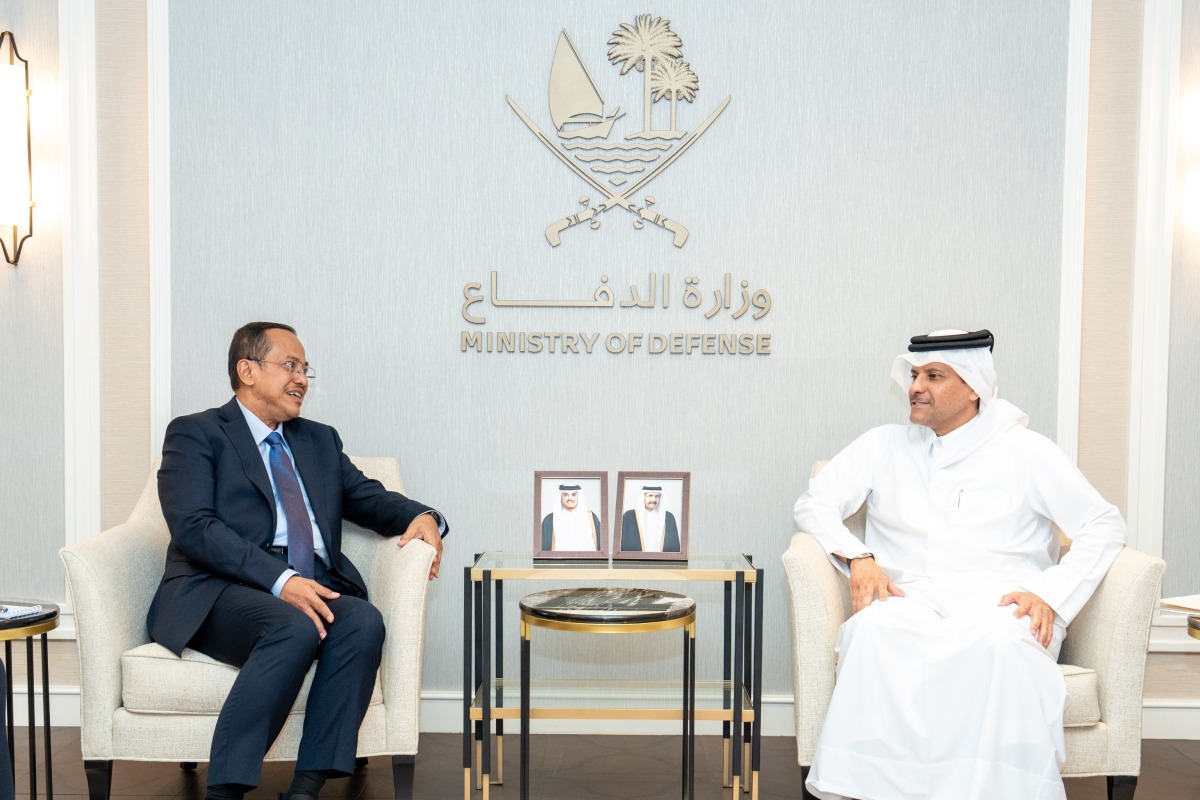

Qatar and Malaysia are strengthening bilateral ties with a focus on mutual interests, as evidenced by a recent meeting between Sheikh Saoud bin Abdulrahman Al-Thani, Qatar’s Deputy Prime Minister and Minister of State for Defence Affairs, and Dr. Ahmad Samsuri bin Mokhtar, Chief Minister of Terengganu, Malaysia. The discussions, held during Dr. Mokhtar’s visit to Doha, centered on exploring avenues for enhanced cooperation between the two nations. This Qatar-Malaysia relations development signals continued engagement in regional diplomacy and economic partnerships.
The meeting took place in Doha, Qatar, on December 12, 2023, according to a statement released by the Qatar News Agency. Both officials expressed a desire to build upon existing frameworks and identify new areas for collaboration. The specifics of the “topics of common interest” were not detailed in the initial report, but are expected to cover economic, defense, and potentially energy-related sectors.
Boosting Qatar-Malaysia Relations Through Strategic Dialogue
This meeting represents a continuation of Qatar and Malaysia’s longstanding diplomatic and economic relationship. Both countries are members of the Organization of Islamic Cooperation (OIC) and share perspectives on various international issues. Qatar has historically invested in Malaysian infrastructure and real estate, while Malaysia provides a skilled workforce and exports goods to Qatar.
However, the current context of global economic shifts and geopolitical tensions likely influenced the discussion. The ongoing conflicts in the Middle East and the evolving energy landscape are factors both nations are navigating. Increased collaboration could provide stability and opportunities amidst these challenges.
Potential Areas of Cooperation
While details remain limited, several areas are ripe for increased cooperation. Foreign investment is a key component of Qatar’s economic diversification strategy, and Malaysia presents attractive opportunities in sectors like technology and tourism.
Defense cooperation is another likely focus. Qatar has been modernizing its armed forces and seeking partnerships with countries possessing advanced military capabilities. Malaysia, while not a major arms exporter, has a growing defense industry and could benefit from technology transfer and joint training exercises.
Furthermore, energy cooperation could be explored. Qatar is a leading exporter of liquefied natural gas (LNG), and Malaysia is a growing consumer of energy. Potential collaborations could involve LNG supply agreements or joint ventures in renewable energy projects, aligning with both countries’ sustainability goals. The discussions may also touch upon trade agreements and streamlining business processes.
The visit by the Terengganu Chief Minister is particularly noteworthy. Terengganu is a Malaysian state with significant oil and gas reserves, and a focus on developing its tourism sector. This suggests a potential for targeted cooperation in these specific areas, potentially involving Qatari investment in Terengganu projects.
The Qatari Ministry of Foreign Affairs has consistently emphasized the importance of strengthening ties with Southeast Asian nations, viewing them as crucial partners in promoting regional stability and economic growth. This meeting with the Terengganu delegation aligns with that broader strategy.
Analysts suggest that Qatar is actively seeking to diversify its international partnerships beyond traditional allies. This is partly driven by the desire to mitigate risks associated with geopolitical instability and to secure access to new markets and resources. The strengthening of bilateral ties with Malaysia is a clear indication of this trend.
Looking ahead, the next step will likely involve the formation of joint working groups to explore specific areas of cooperation in greater detail. These groups would be tasked with developing concrete proposals and timelines for implementation. The success of these initiatives will depend on factors such as political will, bureaucratic efficiency, and the overall economic climate. It remains to be seen whether this dialogue will translate into significant new investments or agreements within the next year.
Further announcements from both the Qatari and Malaysian governments are expected in the coming weeks, providing more clarity on the outcomes of the meeting and the future direction of their relationship. Observers will be watching for any indications of specific projects or agreements that emerge from these discussions.