
RIYADH – The Saudi Ministry of Foreign Affairs hosted two significant diplomatic meetings in Riyadh on Monday, receiving both a senior U.S. advisor and a high-ranking Palestinian official. These discussions focused on strengthening Saudi-U.S. relations and the current situation in Palestine, highlighting the Kingdom’s ongoing efforts in regional diplomacy and international partnerships. The meetings underscore Saudi Arabia’s role as a key mediator and stakeholder in both bilateral ties and the Israeli-Palestinian conflict.
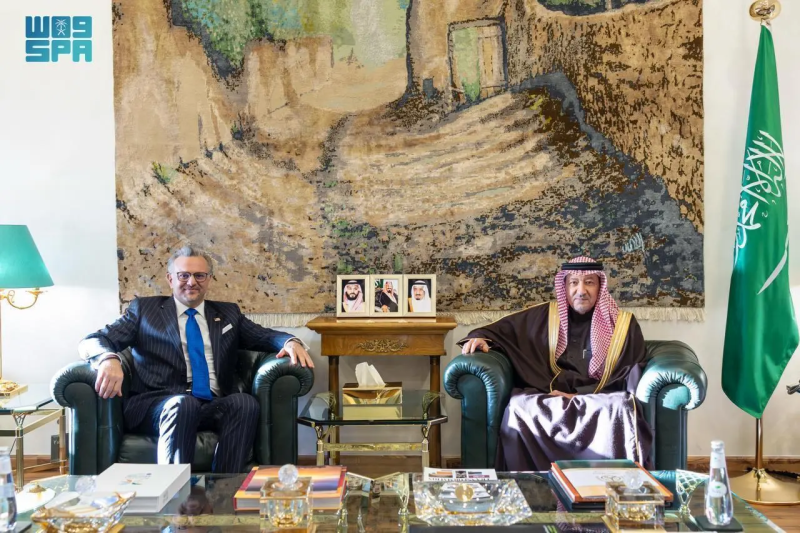
Deputy Minister of Foreign Affairs Waleed Al-Khereiji met separately with Massad Boulos, Senior Advisor to the President of the United States for Arab and African Affairs, and Nabil Abu Rudeineh, Official Spokesman of the Palestinian Presidency. These consultations take place amid ongoing geopolitical complexities in the Middle East and a renewed focus on peace initiatives, specifically regarding the Palestinian territories.
Strengthening Saudi-U.S. Relations
The meeting between Al-Khereiji and Boulos centered on reinforcing the established rapport between Saudi Arabia and the United States. Both parties reportedly reviewed the breadth of their cooperation, including areas of economic development, security, and political alignment. According to the Saudi Ministry of Foreign Affairs, the officials exchanged perspectives on matters of mutual concern, suggesting a proactive approach to addressing shared challenges.
Key Discussion Points
While specific details weren’t released, experts suggest energy policy, regional stability, and counter-terrorism efforts were likely prominent on the agenda. The United States views Saudi Arabia as a crucial partner in stabilizing global energy markets and containing extremist ideologies. The Kingdom, in turn, looks to the U.S. for security assurances and continued investment.
Advisor to the Minister of Foreign Affairs for Political Affairs Prince Musab Al-Farhan, and Chargé d’Affaires at the embassy of the United States to the Kingdom Alison Dilworth attended the meeting, demonstrating the importance placed on the dialogue by both nations. This level of representation indicates a commitment to maintaining open communication channels.
This meeting occurred as the U.S. continues its broader strategy of re-engagement in the Middle East, following a period of perceived distancing under the previous administration. The current administration has emphasized a more collaborative approach with regional partners, and the discussions with Saudi Arabia are part of that effort. Recent engagement has included talks about diversifying the Saudi economy, a key component of Vision 2030.
Addressing Developments in Palestine
Separately, Al-Khereiji received Nabil Abu Rudeineh, the Official Spokesman for the Palestinian Presidency. The focus of this discussion was the evolving political and humanitarian landscape in Palestine, a matter of consistent and central importance to Saudi foreign policy. The Saudi government has long been a vocal supporter of Palestinian statehood and rights.
The meeting covered the latest developments concerning the Israeli-Palestinian conflict, though details released by the ministry were limited. However, recent escalations in tensions and humanitarian concerns in Gaza likely formed a significant part of the conversation, alongside considerations for potential diplomatic avenues towards a lasting resolution. The stability of the region is heavily influenced by the Palestinian question, making this a priority for Saudi Arabia.
Minister Plenipotentiary at the Ministry of Foreign Affairs Dr. Manal bint Hassan Radwan also participated in the discussions with Abu Rudeineh. This suggests a detailed and technically informed approach to analyzing the situation and formulating potential responses. The inclusion of Dr. Radwan indicates a deliberate focus on the complexities of the political process.
Saudi Arabia’s engagement with Palestinian officials follows a pattern of consistent support for the Palestinian cause, including financial aid and diplomatic efforts to promote a two-state solution. The Kingdom actively participates in international forums to advocate for Palestinian rights. Relations with Palestine are often cited as an example of Saudi Arabia’s commitment to supporting Arab and Islamic causes.
The two meetings demonstrate Saudi Arabia’s active diplomatic posture and its role as a central actor in regional affairs. Maintaining strong Saudi-U.S. relations is paramount for the Kingdom’s strategic interests, while its consistent engagement with the Palestinian side reflects its long-standing commitment to a just and lasting peace. This delicate balancing act highlights Riyadh’s position as a key influencer in the Middle East. Discussions regarding the Israeli-Palestinian conflict and broader regional stability were clearly central to Monday’s talks.
Looking ahead, it remains to be seen what specific outcomes will emerge from these consultations. Further meetings and statements from both Saudi and U.S. officials are anticipated, potentially outlining specific areas of cooperation or future diplomatic initiatives. The efficacy of these diplomatic endeavors will be measured by concrete progress toward resolving regional tensions and advancing the interests of all parties involved. Monitoring any shifts in the posture of both the Saudi and U.S. governments regarding the situation in Palestine will also be crucial.