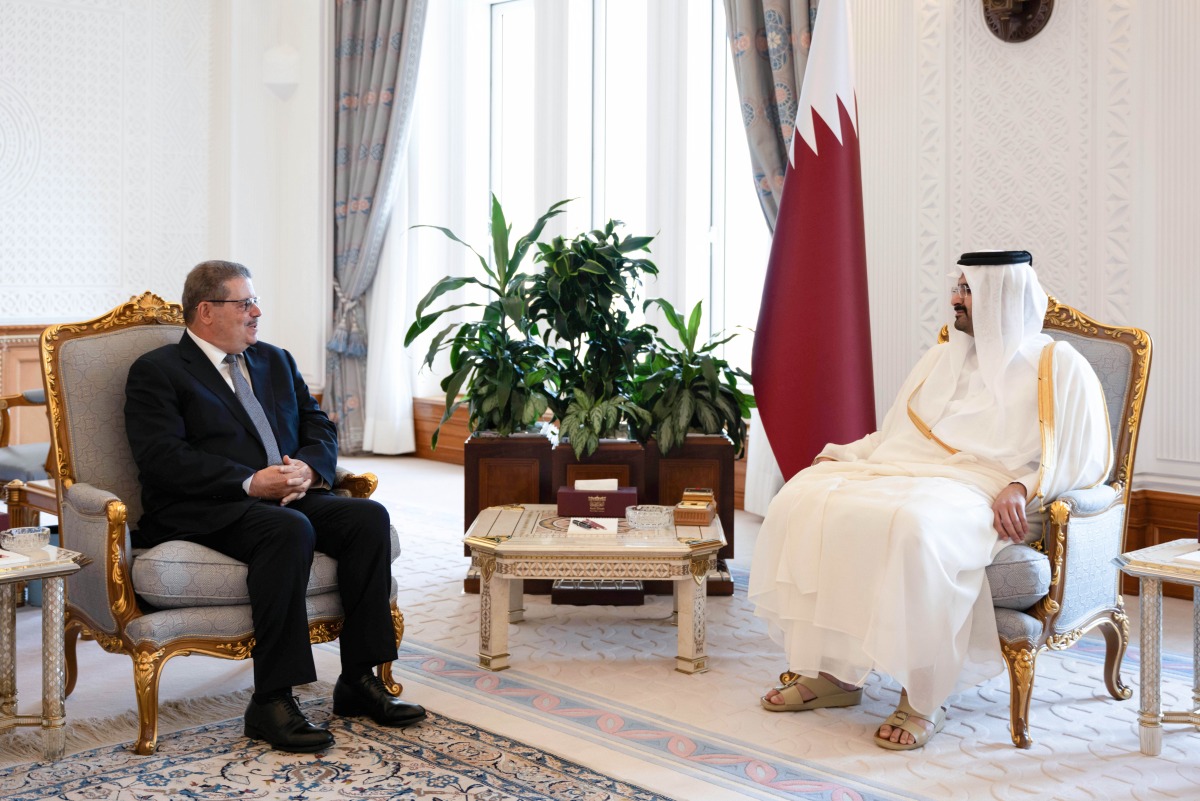

Doha, Qatar – His Highness the Deputy Amir Sheikh Abdullah bin Hamad Al-Thani received a farewell call from Eng. Mohamed Hamel, Secretary General of the Gas Exporting Countries Forum (GECF), at the Amiri Diwan on Monday. The meeting marked the conclusion of Hamel’s term leading the organization, which plays a crucial role in coordinating gas policies among its member nations. This transition occurs as global energy markets continue to face volatility and increasing demand for liquefied natural gas (LNG).
The Deputy Amir expressed his well wishes for Hamel’s future endeavors, while Hamel conveyed his gratitude for Qatar’s consistent support of the GECF throughout his tenure. This support has been vital for the forum’s operations and its ability to advocate for the interests of gas-producing countries. The exchange highlights Qatar’s prominent position within the global energy landscape and its commitment to international energy cooperation.
The Significance of the GECF and Qatar’s Role
The GECF, established in 2001, represents over 70% of the world’s proven natural gas reserves. It serves as a platform for member countries to discuss and coordinate gas production, transportation, and marketing strategies. Qatar has been a founding member and a key supporter of the GECF, recognizing the importance of a unified approach to natural gas governance.
Qatar’s own substantial natural gas reserves and its position as a leading LNG exporter contribute significantly to its influence within the GECF. According to the QatarEnergy website, the nation holds the world’s third-largest proven natural gas reserves. This makes Qatar a central player in discussions regarding global energy security and the transition to cleaner energy sources.
Hamel’s Tenure and Key Achievements
Eng. Mohamed Hamel assumed the role of GECF Secretary General in January 2019. During his leadership, the forum focused on strengthening its analytical capabilities and enhancing its engagement with key stakeholders in the energy industry. He oversaw several studies on gas market trends and the role of natural gas in achieving sustainable development goals.
Additionally, Hamel prioritized expanding the GECF’s outreach and fostering dialogue with consuming countries. This included participation in international energy conferences and workshops, as well as the publication of research reports on the benefits of natural gas. The GECF, under his guidance, also increased its focus on promoting technology transfer and capacity building within its member states.
The global energy sector has undergone substantial shifts during Hamel’s term, including increased geopolitical instability and a growing emphasis on energy transition. These factors have underscored the importance of the GECF’s role in ensuring a stable and reliable supply of natural gas to meet global demand. The demand for LNG, in particular, has surged, especially in Europe, following disruptions in Russian gas supplies.
However, the long-term outlook for natural gas remains subject to debate, with some analysts predicting a decline in its share of the energy mix as renewable energy sources become more competitive. The GECF has consistently argued that natural gas will continue to play a vital role in the energy transition, serving as a bridge fuel to a lower-carbon future. This perspective is often contrasted with calls for a more rapid shift to renewables.
The selection of a new Secretary General is expected in the coming weeks, with nominations currently being considered by member states. The incoming leader will face the challenge of navigating a complex and evolving energy landscape, while continuing to promote the interests of gas-producing nations. The future direction of the GECF will likely depend on the new Secretary General’s ability to adapt to changing market conditions and forge strong relationships with both consuming and producing countries. The organization’s continued relevance in the context of climate change and the energy transition remains a key area to watch.
The appointment will be crucial as the GECF seeks to maintain its influence amidst growing discussions surrounding energy diversification and the role of natural gas in a sustainable future. Further details regarding the timeline for the selection process and the criteria for candidates are anticipated from the GECF headquarters in Doha.
Qatar’s ongoing commitment to the GECF and its leadership in the global LNG market will continue to be significant factors shaping the organization’s agenda. The evolving dynamics of the energy market and geopolitical considerations will undoubtedly influence the GECF’s priorities in the years ahead.