








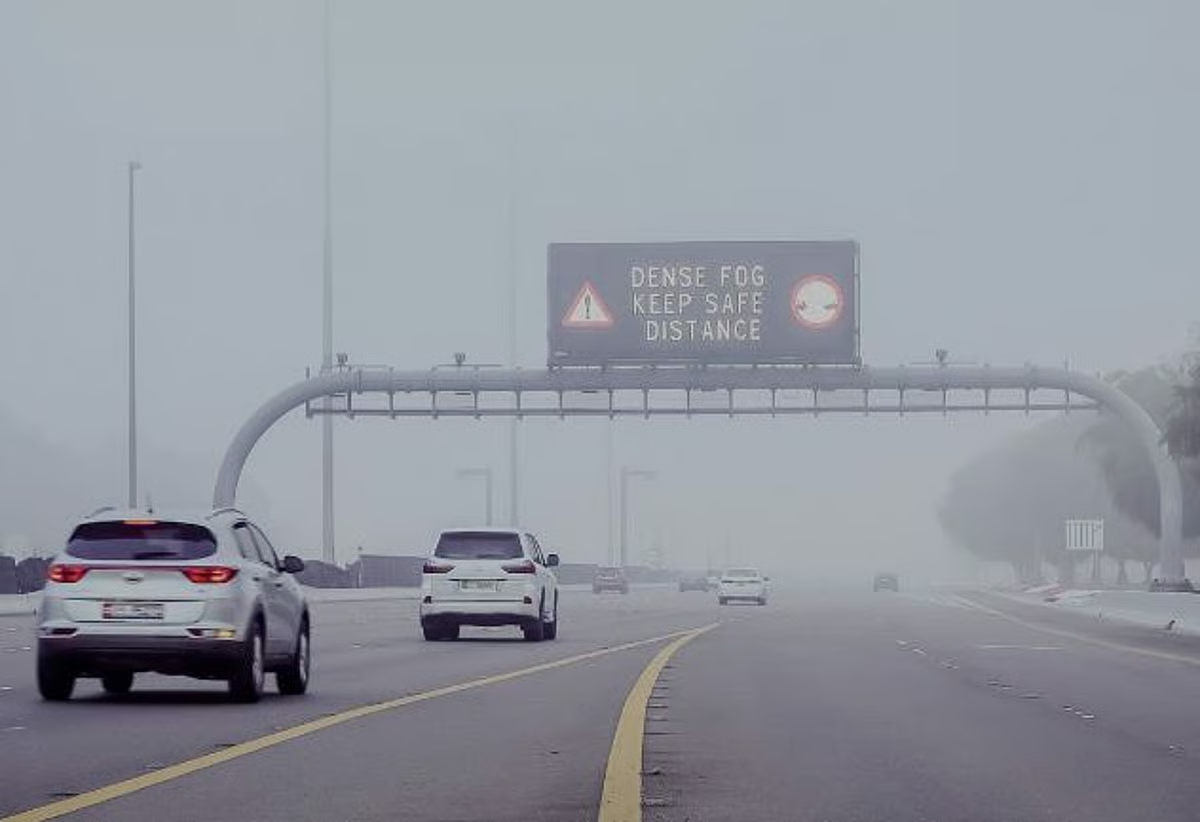

Motorists in Abu Dhabi can now resume normal speeds on several major roadways following the lifting of temporary speed limits imposed due to recent hazardous weather conditions. Authorities announced the return to standard limits of 80 kph on key routes across the emirate, effective immediately. The change impacts commuters on vital arteries like Sheikh Mohammed Bin Rashid Road and Abu Dhabi–Sweihan Road.
The temporary reductions were implemented in response to periods of dense fog and reduced visibility, posing significant risks to drivers. The Abu Dhabi Police had been actively monitoring conditions and adjusting speed limits via Variable Message Signs (VMS) to prioritize public safety. Now, with improved weather, traffic flow is expected to normalize, though drivers are still urged to exercise caution.
Updated Abu Dhabi Speed Limits: A Comprehensive Guide
The roads where normal speed limits have been reinstated include Sheikh Mohammed Bin Rashid Road (Al Shahama – Al Falah), Nahil Road (Bada bin Saud – Nahil), and Sheikh Tahnoon Bin Mohammed Road (Masakin – Al Hiyar). Additionally, the 80 kph limit is now in effect on Sheikh Maktoum bin Rashid Road (Ghantoot – Saih Al Sidirah), Abu Dhabi–Sweihan Road (Al Falah Bridge – Sweihan Roundabout), Mohammed bin Rashid Road (Seih Shuaib Bridge – Kizad Bridge), Al Shwaib Road (Al Khader – Al Shwaib), and Al Qoua Road (Al Qoua – Razeen). These routes represent critical connections for daily commuters and commercial traffic.
However, authorities continue to advise drivers to remain vigilant. Reduced visibility can still occur, particularly during early morning hours. Recommendations include lowering speed even when the posted limit is 80 kph, utilizing low-beam headlights, and maintaining a safe following distance from other vehicles. Planning journeys in advance to account for potential delays is also encouraged.
Understanding Traffic Regulations and Penalties
Abu Dhabi’s commitment to road safety is underscored by strict enforcement of traffic laws, particularly during adverse weather. According to the police, using mobile phones while driving or photographing accidents carries severe penalties, potentially including a jail sentence of up to six months and fines ranging from Dh150,000 to Dh500,000. These measures aim to prevent distracted driving and ensure emergency services have clear access.
Obstructing traffic flow, ambulances, or rescue operations is also a serious offense. Furthermore, exceeding adjusted speed limits during foggy conditions results in substantial fines and black points. A violation of exceeding the limit by 20 km/h incurs a Dh300 fine, while exceeding it by over 80 km/h leads to a Dh3,000 fine, 23 black points, and a 60-day vehicle impoundment. These penalties are designed to deter reckless driving behavior.
In contrast, driving with hazard lights activated unnecessarily – except when stationary or experiencing a breakdown – carries a Dh500 fine and four black points. Similarly, changing lanes without using indicators is punishable with a Dh400 fine, a particularly dangerous maneuver in low visibility. The Ministry of Interior emphasizes that Variable Message Signs (VMS) provide the most current and authoritative information regarding speed limits, superseding posted signs.
The Importance of Road Safety Awareness
The recent adjustments to speed limits highlight the ongoing need for driver awareness and responsible road usage. Abu Dhabi Police consistently conduct campaigns to promote road safety and enforce traffic regulations, especially during challenging weather conditions. These initiatives aim to reduce accidents and protect all road users. The focus extends beyond simply enforcing rules; it includes educating drivers about safe driving practices and the dangers of speeding and distracted driving.
Relatedly, the authorities are also focusing on improving infrastructure to enhance visibility during foggy conditions, including upgrading road markings and installing more advanced VMS systems. This proactive approach complements the enforcement efforts and aims to create a safer driving environment for everyone. Traffic safety remains a top priority for the emirate.
Looking ahead, the Abu Dhabi Police will continue to monitor weather patterns and adjust speed limits as needed. Drivers are advised to stay informed about current conditions through official channels, including VMS, social media, and local news outlets. The effectiveness of these measures will be evaluated based on accident statistics and traffic flow data, with potential adjustments to strategies implemented in the future. Continued vigilance and adherence to traffic regulations are crucial for maintaining road safety in Abu Dhabi.

