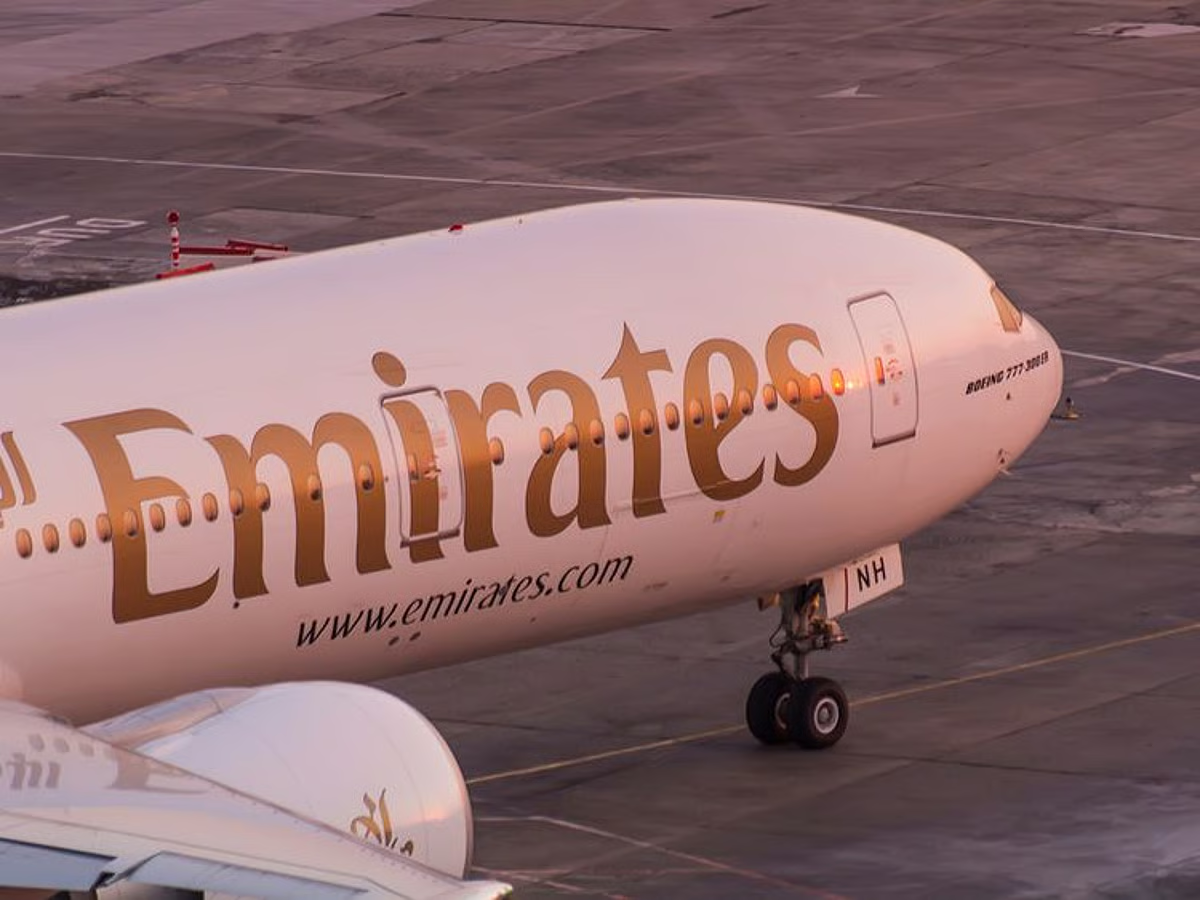

Dubai International Airport (DXB) experienced significant flight disruptions on Thursday, impacting numerous passengers and airlines. Reports indicate that both Emirates and flydubai faced delays, with initial data revealing issues across a range of international routes. The disruptions to flight schedules caused by the unusual circumstances are prompting investigations and passenger inquiries, affecting destinations across Asia, Africa, and Oceania.
Affected Emirates flights included services to Colombo, Sri Lanka; Auckland, New Zealand; Dar es Salaam, Tanzania; Malé, Maldives; and Brisbane, Australia. Flydubai also reported delays, specifically to Mombasa, Kenya; Krabi, Thailand; and other destinations, with wait times ranging from 30 minutes to over an hour. The extent of the delays and cancellations continues to be assessed, according to the airport’s official website.
Understanding the Dubai Airport Flight Delays
The primary cause of the flight schedules disruption appears to be linked to unforeseen operational challenges. While details remain limited, sources suggest the issues stemmed from a combination of factors within the airport’s air traffic management system. These problems led to a temporary reduction in the airport’s capacity to handle departures.
Operational Issues and Limited Capacity
Dubai Airports, the operator of DXB, has not provided a specific explanation but has acknowledged encountering “operational adjustments” which necessitated spacing out departures. This means fewer planes were able to take off within a given timeframe, creating a ripple effect of delays throughout the day. Official statements emphasized that safety and efficiency were prioritized during the adjustments.
The airport previously experienced significant congestion following the pandemic, as travel demand rebounded sharply. However, this instance appears distinct from typical peak-hour pressures, according to industry analysts. The challenges related to air travel coordination are complex, involving multiple stakeholders including air traffic control, airlines, and ground handling services.
Additionally, the timing of the disruptions coincided with a period of increased passenger volume due to school holidays and the beginning of the peak season for travel to and from the region. This pre-existing demand likely exacerbated the impact of the operational issues, resulting in longer wait times and more noticeable cancellations. The situation also highlighted vulnerabilities in the global airline industry.
Impact on Passengers and Airlines
Passengers affected by the delays faced significant inconvenience, including missed connecting flights, disrupted travel plans, and extended waiting periods at the airport. Both Emirates and flydubai proactively communicated with customers through their respective websites and mobile apps, offering rebooking options and assistance with accommodations where necessary.
The airlines have also been working to mitigate the cascading effects of the delays. Emirates, known for its extensive global network, faced challenges in rescheduling affected passengers onto alternative flights. Similarly, flydubai, a low-cost carrier focusing on regional destinations, experienced difficulties managing capacity and ensuring timely departures.
In contrast to typical weather-related disruptions, this incident originated within the operational systems of the airport itself. This is a crucial distinction as it doesn’t involve factors outside the airport’s direct control, placing greater emphasis on internal investigations and preventative measures. The need for robust travel disruption protocols has been emphasized.
According to data from FlightAware, approximately 15% of all scheduled departures from Dubai International Airport experienced delays of at least 30 minutes. While this percentage may seem moderate, it represents a substantial number of impacted flights given the airport’s status as a major global hub. The disruption also caused knock-on effects at connecting airports.
Previous Disruptions and Future Outlook
Dubai International Airport is consistently ranked among the busiest airports in the world, handling over 86 million passengers in 2023. This high volume of traffic inherently increases the potential for disruptions. In the past, DXB has faced challenges from severe weather events, such as heavy rainfall leading to flooding on the runways.
However, significant investments have been made in recent years to enhance the airport’s infrastructure, including upgrades to its air traffic control systems and the expansion of terminal capacity. These upgrades were intended to improve resilience and reduce the likelihood of disruptions but raise questions about the effectiveness of the current systems.
The UAE Ministry of Transport is reportedly monitoring the situation closely and has requested a full report from Dubai Airports outlining the cause of the delays and the steps being taken to prevent similar incidents in the future. The focus of this report will likely include a review of the air traffic management system’s software and hardware, as well as staffing levels and procedures.
Looking ahead, Dubai Airports is planning further expansion to accommodate projected growth in passenger numbers. This includes the development of a new terminal, Concourse D, which is expected to increase the airport’s capacity by 30 million passengers per year. The implementation of advanced technologies, like artificial intelligence for air traffic flow management, is also being considered.
The immediate expectation is for a full investigation by Dubai Airports and relevant authorities. A preliminary report is anticipated within the next week, outlining the root cause of the flight schedules issues. It is uncertain whether the findings will necessitate further operational adjustments or temporary limitations on departures. Passengers traveling through DXB in the coming days should closely monitor their flight status and allow ample time for potential delays.
The long-term impact on Dubai’s reputation as a seamless travel hub will depend on the effectiveness of the response and the implementation of preventative measures to address the identified vulnerabilities.