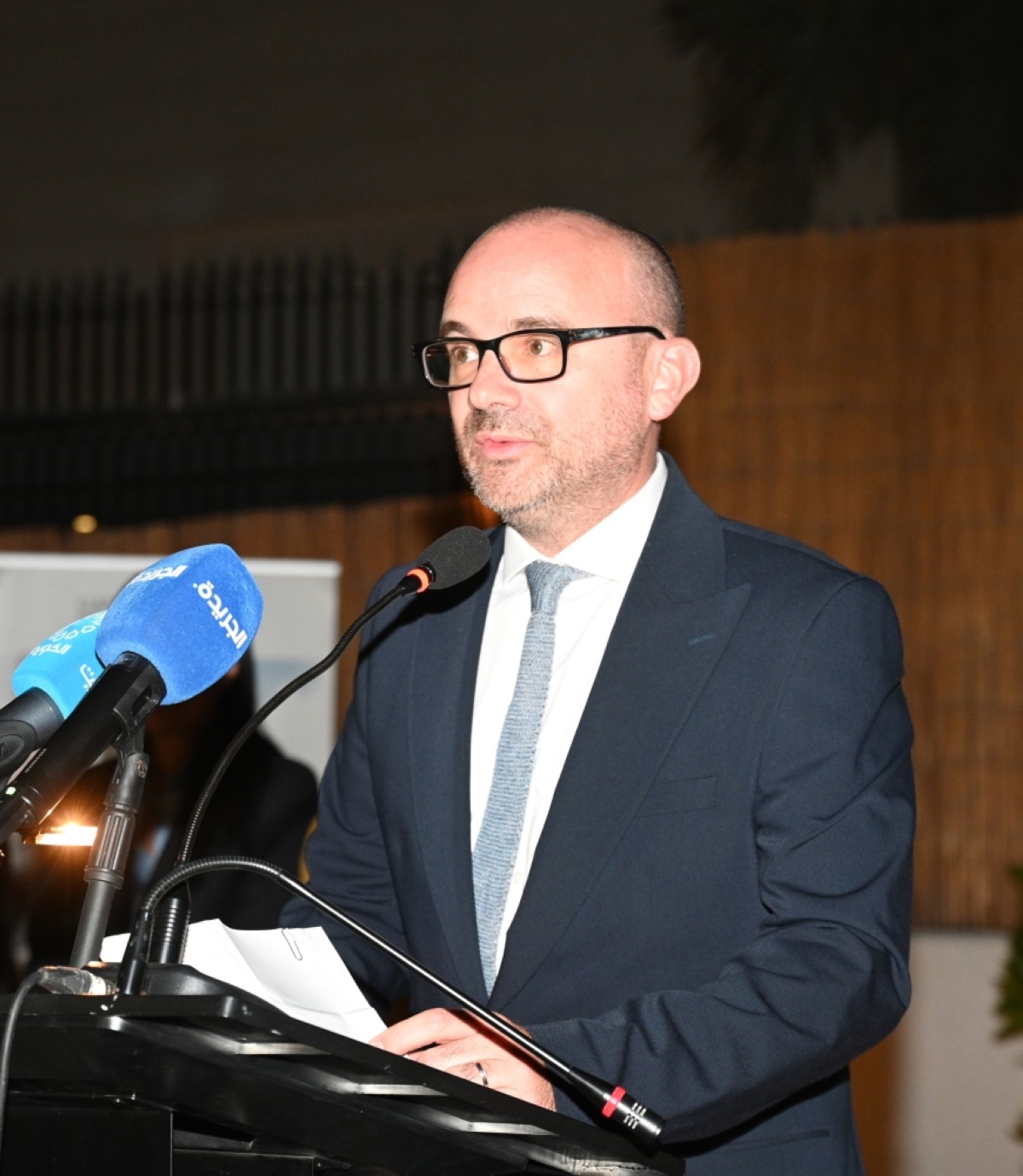

The growing popularity of the French language in Kuwait is fostering stronger ties between the two nations, driven by educational initiatives and a rising interest among young Kuwaitis. Ambassador of France to Kuwait, Olivier Gauvin, recently reaffirmed his commitment to expanding French-language learning, recognizing its pivotal role in building a lasting relationship based on cultural exchange and mutual understanding. This commitment was highlighted during the seventh edition of the International Day of French Teachers, a testament to the dedication of educators in Kuwait.
Expanding French Language Learning in Kuwait: A Collaborative Effort
The increasing uptake of French is a significant development, with over 50,000 students currently studying the language across Kuwait. This is further evidenced by nearly 24,000 students selecting French as a subject for their baccalaureate exams. Kuwait University itself boasts over 300 students enrolled in its French Department, demonstrating a robust academic foundation for the language.
Ambassador Gauvin emphasized the crucial role Kuwaiti students who pursue higher education in France play as cultural ambassadors. He believes these alumni are uniquely positioned to “build bridges between future generations,” solidifying the bond between the two countries through personal experiences and shared perspectives. This sentiment underscores the strategic importance France places on educational exchange programs with Kuwait.
A Generational Shift in Language Interest
Interestingly, the interest in learning French isn’t limited to one age group. Gauvin noted a steady rise in enthusiasm across generations, suggesting a broader cultural appreciation for the language and the opportunities it unlocks. This widespread appeal is a positive sign for the continued growth of French-Kuwaiti relations.
Addressing Challenges in French Education: Teacher Shortages and Curriculum Development
While the overall trend is positive, challenges remain in ensuring the quality and accessibility of French language education throughout Kuwait. Anwaar Al-Radawan, General Inspector for French at the Ministry of Education, highlighted a specific issue: a shortage of male French teachers.
“We have a good number of female teachers available across public schools,” Al-Radawan explained, “but finding qualified male educators remains a priority.” This disparity in staffing is something the Ministry is actively working to address to provide a balanced learning environment for all students.
However, Al-Radawan remains optimistic, noting that student interest is steadily improving, even if it’s currently “lower than expected” at this stage of development. A key driver of this optimism is the ongoing curriculum development, designed to enhance both proficiency and engagement.
New Curricula Aligned with International Standards
Significant updates have been made to the French curriculum for grades 11 and 12. These revisions align with international standards, specifically incorporating the A1 beginner-level framework used globally. This ensures Kuwaiti students learning French receive an education comparable to that offered in other parts of the world.
Furthermore, the free elective course for students in the arts stream has been completely redesigned, replacing the traditional textbook with a practical “Tourism and Travel” curriculum. This shift has proven remarkably successful. “Students began enjoying the subject and speaking more,” Al-Radawan shared. “The goal is not to overwhelm them with verb conjugations, but to teach them how to navigate real situations in French.” This practical approach is a key element in fostering a more positive and effective learning experience.
The Future of French-Kuwaiti Relations Through Language
The importance of the French language extends beyond cultural enrichment, offering valuable career pathways for young Kuwaitis. Ambassador Gauvin pointed to growing professional fields like maritime studies, law, the humanities, and international relations as areas where French proficiency is increasingly advantageous.
The trend of Kuwaiti students pursuing higher education in France is also seen as a vital component of strengthening bilateral ties. Both governments are actively supporting and encouraging this exchange, recognizing the long-term benefits of fostering academic collaboration.
The recent celebration of the International Day of French Teachers also served to honor the 1,400 dedicated educators working across Kuwait’s schools and universities. Their contribution, Gauvin emphasized, goes “far beyond linguistic learning.” They are instrumental in introducing students to global culture and promoting values like inclusion, dialogue, and diversity – values that are central to both French and Kuwaiti societies.
Looking ahead, Al-Radawan anticipates that the impact of the curriculum reforms will become fully apparent within four to five years. She also believes that introducing French at earlier stages of education will become feasible as student readiness improves. This continued investment in French language education promises to deepen the cultural and professional connections between Kuwait and France, creating a brighter future for both nations. The focus on practical application and aligning with global standards will undoubtedly contribute to a more engaged and proficient generation of French speakers in Kuwait.