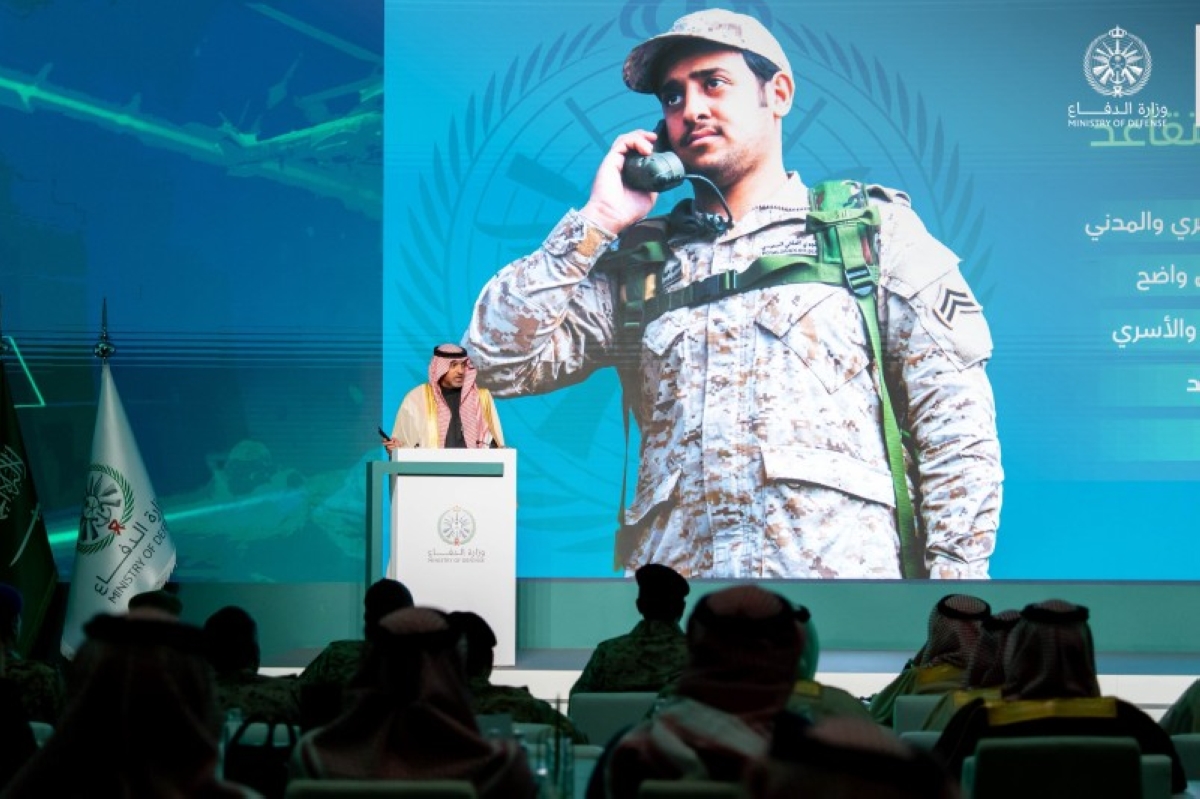

Saudi Arabia’s Ministry of Defense launched a comprehensive career transition program on Friday aimed at supporting military personnel as they prepare for retirement. The initiative, unveiled in Riyadh, seeks to equip these individuals with the skills and opportunities needed to successfully reintegrate into the civilian workforce and contribute to the Kingdom’s ongoing economic development. This represents a significant investment in the long-term wellbeing of Saudi Arabia’s armed forces veterans.
The launch event was attended by key figures including Assistant Minister of Defense for Executive Affairs Dr. Khalid Al-Biyari and senior officials from both the military and civilian sectors. Several memoranda of cooperation were also signed with public and private entities to facilitate training, employment, and entrepreneurial ventures for departing service members. The program’s implementation begins immediately, with initial phases focused on assessment and awareness.
Facilitating a Smooth Career Transition for Saudi Military Personnel
The career transition program is designed around four core pillars, aiming to address the diverse needs of those leaving military service. According to ministry officials, these pillars include raising awareness of civilian career options, providing targeted training and reskilling opportunities, connecting individuals with suitable employment prospects, and fostering entrepreneurship. This holistic approach recognizes the value of military experience and seeks to translate it into continued success in civilian life.
Addressing Skills Gaps and Labor Market Alignment
A central focus of the program is bridging the gap between military skills and the demands of the Saudi labor market. The Ministry of Defense plans to offer accredited professional certifications and skills development courses tailored to emerging industries and in-demand job roles. This reskilling effort will be crucial for personnel seeking employment in fields different from their military specialties.
Engineer Sami Al-Badnah, Executive Director General of Human Resources at the Ministry, stated the program is intended to be a continuation of service, offering a structured path to economic stability. He emphasized the initiative’s goal of transforming military experience into tangible value within the civilian economy.
Expanding Employment Opportunities
The program isn’t solely focused on skills development; a major component involves actively securing employment opportunities for transitioning personnel. The signed memoranda of cooperation signify commitments from various organizations to prioritize hiring qualified veterans. This will involve a careful matching of skills and experience with available positions, potentially including mentorship programs to aid in initial integration. Job placement will be a key metric for evaluating the program’s success.
However, the Saudi economy is undergoing rapid diversification under Vision 2030. This means the types of skills in demand are constantly evolving, and the program will need to remain agile to proactively address new needs.
Encouraging Entrepreneurship
Recognizing that some veterans may prefer to forge their own path, the program also provides a dedicated track for entrepreneurship. This will include resources for business planning, access to funding opportunities, and mentorship from experienced business leaders. The initiative aims to empower retired military personnel to leverage their leadership and organizational skills to establish successful ventures and contribute to economic growth.
This focus on entrepreneurial support is particularly notable given Saudi Arabia’s efforts to stimulate innovation and private sector development. The Kingdom has recently launched several initiatives to encourage small and medium-sized enterprises (SMEs), and this program aligns with those broader goals.
Dr. Al-Biyari highlighted that the program reflects the leadership’s commitment to investing in citizens and recognizing their capabilities. He noted that the initiative views the transition as simply moving “from one field to another, and from one form of service to another,” all ultimately serving the nation.
The Ministry of Defense cited international best practices, noting that investing in former military personnel yields returns in terms of efficiency, discipline, and trustworthiness. However, the approach is not simply a replication of foreign models, but rather an adaptation to fit the specific context and ambitious goals of Saudi Arabia’s national development framework. The program is expected to benefit not only the individuals involved, but also strengthen the overall Saudi workforce.
The introduction of this career transition program coincides with broader efforts to modernize the Saudi armed forces and optimize resource allocation. While specific details regarding eligibility criteria and the program’s overall budget have not been widely publicized, the ministry indicated that further announcements will follow.
Looking ahead, the initial phase will focus on registering eligible personnel and conducting detailed assessments of their skills and career aspirations. The ministry has not yet set a firm deadline for completing the initial assessment process. Monitoring the integration rates of veterans into the workforce, the success of new businesses launched through the program, and ongoing adaptations to the evolving labor market will be critical in determining the initiative’s long-term effectiveness.
Related efforts to improve human capital development in Saudi Arabia include the nationalization of jobs and the expansion of vocational training programs. The specific impact of the Ministry of Defense’s program on these broader trends remains to be seen, but it’s anticipated to contribute positively to the Kingdom’s overall economic objectives and the diversification of its skill set.