


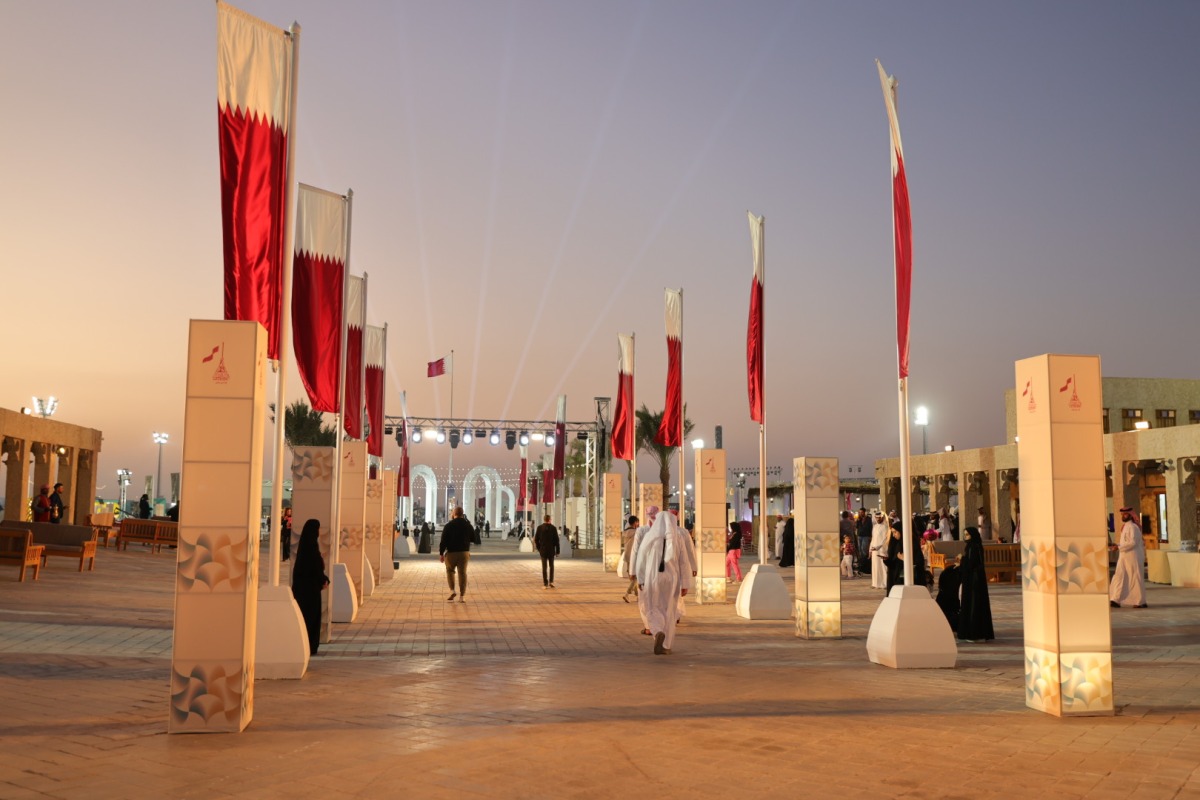

Doha, Qatar – Darb Al Saai is currently a focal point of Qatar National Day celebrations, drawing large crowds with its immersive recreation of traditional Bedouin life. The event, organized by the Ministry of Culture, aims to connect current generations with the nation’s rich heritage through interactive exhibits and cultural performances. Darb Al Saai is open to the public daily from 3:00 PM to 11:00 PM through December 20th at its permanent location in Umm Salal.
The annual festival, a cornerstone of Qatar’s National Day festivities, provides a unique opportunity for residents and visitors to experience the customs and traditions that shaped the country. This year’s event features a particularly strong emphasis on hands-on learning and engaging demonstrations, fostering a deeper understanding of Qatari history and identity. The location in Umm Salal allows for a more expansive and detailed presentation of Bedouin culture.
Experiencing Bedouin Life at Darb Al Saai
At the heart of Darb Al Saai’s heritage programming is the Al Maqtar showcase, a meticulously recreated Bedouin village. Abdulrahman Ahmed Al Badi Al Maadheed, head of Al Maqtar and Al Azba activities, noted the significant turnout, particularly from families seeking to understand their ancestral roots. The exhibit isn’t simply a display; it’s designed to be an interactive journey into the past.
Visitors can participate in activities like camel rides and learn the art of saddling, providing a tangible connection to the nomadic lifestyle that once defined Qatar. These experiences are intended to illustrate the resilience and resourcefulness required to thrive in the desert environment. Additionally, traditional crafts like Sadu weaving are demonstrated, showcasing the artistry and skill of Qatari artisans.
A Focus on Traditional Skills and Arts
Beyond the practical skills, Darb Al Saai also highlights the cultural richness of Bedouin society. Poetry circles and riddle sessions are integral parts of the Al Maqtar experience, nurturing creativity and fostering a sense of cultural pride among young people. The layout of the village itself, with its interconnected tents and communal areas, reflects the strong social bonds within Bedouin communities.
Other key areas within Al Maqtar include the Bayt Al Ageed, offering insights into traditional Qatari homes, and the Dairy Production Hut, demonstrating the importance of livestock in the desert diet. Visitors can also sample traditional Arabic coffee and learn about its preparation, a symbol of hospitality in Qatari culture.
Meanwhile, the Falconry Zone continues to be a major draw for attendees. Supervisor Mohammed Saeed Al Kubaisi explained that the program aims to educate visitors about the different species of falcons, traditional hunting techniques, and the role of Saluki hounds in these pursuits. This aspect of the festival emphasizes the importance of heritage sports in Qatari society.
Daily demonstrations of Daa’w, a live falcon training session, provide a rare glimpse into this ancient and revered practice. The exhibit also features native birds like the Houbara bustard, highlighting Qatar’s commitment to preserving its natural environment. Falconry, Al Kubaisi emphasized, is far more than a sport; it’s a deeply ingrained symbol of identity and national pride.
The event’s success underscores the growing interest in preserving and promoting Qatari culture. The Ministry of Culture has invested significantly in Darb Al Saai, recognizing its potential to educate and inspire future generations. This year’s focus on interactive experiences appears to be resonating strongly with the public.
As Darb Al Saai approaches its closing date on December 20th, organizers will likely assess visitor feedback and participation rates to inform future iterations of the event. The long-term impact of the festival on cultural awareness and national identity remains to be seen, but its continued popularity suggests a sustained commitment to celebrating Qatar’s unique heritage. Further investment in similar cultural initiatives is anticipated, though specific plans and timelines have not yet been announced.