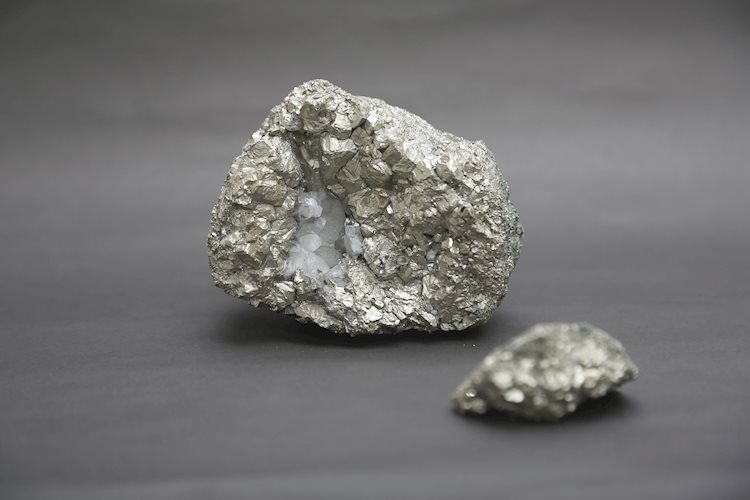

Silver prices (XAG/USD) experienced a slight decrease on Friday, falling to $29.67 per troy ounce, a 0.41% decrease from the previous day’s price of $29.80. Despite this minor dip, the price of Silver has seen significant growth this year, having increased by 24.70% since the beginning of the year.
The Gold/Silver ratio, which illustrates the number of ounces of Silver needed to match the value of one ounce of Gold, was recorded at 88.51 on Friday, slightly higher than the 88.42 value from Thursday. This ratio is an important metric for investors to consider when evaluating the relative value of Silver compared to Gold.
Silver is a precious metal that is highly traded among investors, often used as a store of value and a medium of exchange. While it may not be as popular as Gold, some traders turn to Silver to diversify their investment portfolios, as it holds intrinsic value and can serve as a potential hedge during periods of high inflation. Investors have the option to purchase physical Silver in the form of coins or bars, or they can opt to trade it through Exchange Traded Funds that track its price on international markets.
There are various factors that can influence the price of Silver, including geopolitical instability, economic recessions, interest rates, and the behavior of the US Dollar. Silver prices may rise during times of uncertainty as investors seek safe-haven assets, albeit to a lesser extent than Gold. Additionally, lower interest rates often result in higher Silver prices, and the performance of the US Dollar can impact the price of Silver, as it is denominated in USD. Other factors such as investment demand, mining supply, and recycling rates also play a role in determining Silver prices.
Silver is widely utilized in industries such as electronics and solar energy due to its high electrical conductivity, surpassing even Copper and Gold. Changes in demand from these sectors can lead to fluctuations in Silver prices, with increased demand driving prices up and decreased demand pushing prices down. Economic dynamics in countries like the US, China, and India can also impact Silver prices, as each country has significant industrial or consumer demand for the metal.
In terms of investment, Silver prices often mirror those of Gold, as both metals are considered safe-haven assets. The Gold/Silver ratio can help investors gauge the relative valuation between the two metals, with a high ratio potentially indicating that Silver is undervalued compared to Gold. Conversely, a low ratio may suggest that Gold is undervalued relative to Silver. Ultimately, understanding these factors and trends can assist investors in making informed decisions when trading Silver.