
Doha, Qatar – The FIFA Arab Cup Qatar 2025 is not only a sporting event but a vibrant celebration of culture, as evidenced by the kickoff of accompanying events at Katara Cultural Village on Monday. The program, set to run through December 18th, aims to showcase the rich cultural heritage of Qatar and the wider Arab region alongside the tournament, attracting both football enthusiasts and art aficionados. These cultural events are designed to enhance the experience for attendees and promote Qatar as a global destination.
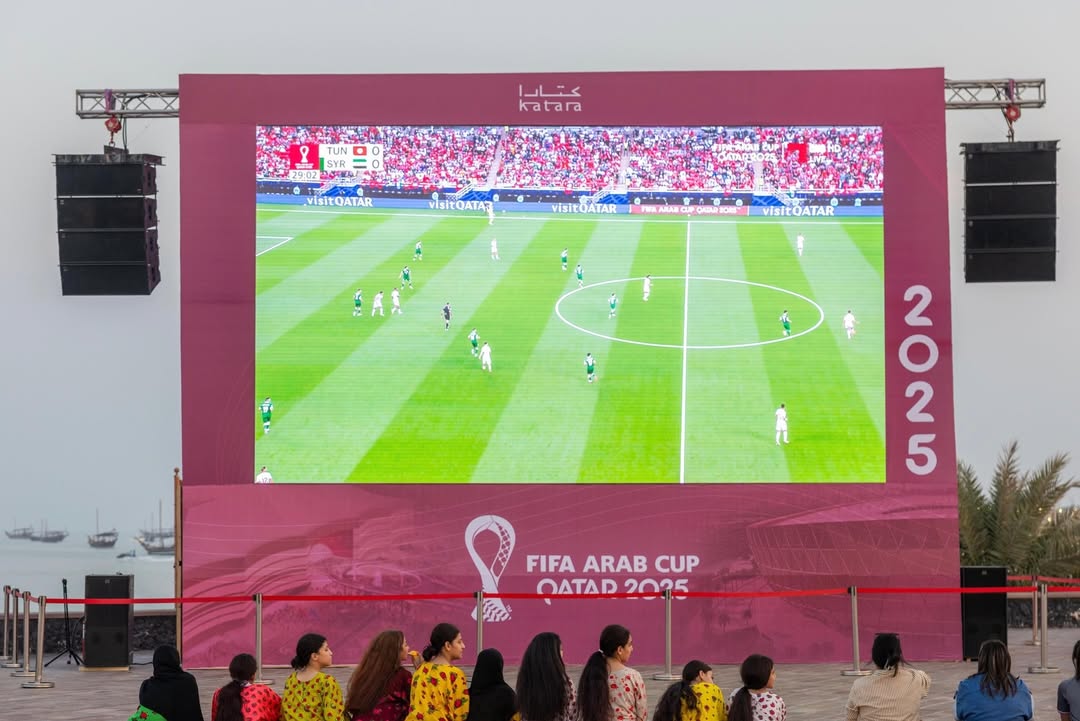
Katara Cultural Village is hosting a diverse range of activities, including art exhibitions, theatrical performances, and musical evenings. Large screens have been set up in Al Hikma Square to broadcast live matches, and a dedicated fan zone provides an interactive space for supporters. The launch has already drawn significant crowds, demonstrating the public’s appetite for these combined offerings.
Exploring Qatar’s Artistic Landscape During the Arab Cup
The opening of the “A Painting from Qatar” exhibition highlights the nation’s thriving arts scene. This second edition features the work of 15 artists, representing a multitude of nationalities and artistic styles, with a total of 27 pieces on display. The exhibition offers a unique insight into contemporary Qatari art and its diverse influences.
Additionally, a separate exhibition dedicated to Qatari fine arts provides audiences with creative interpretations of the country’s unique spirit and cultural identity. These exhibitions contribute to the broader goal of promoting Qatar’s artistic talent on an international stage. The selection process for both shows, according to organizers, prioritized works reflecting themes of unity, heritage, and modernity.
Live Performances and Film Screenings
Beyond the visual arts, Katara is hosting a dynamic schedule of live performances. Musical evenings and folk groups represent the diversity of artistic expression across the Arab world. These performances are strategically scheduled to complement the football matches, offering visitors a range of entertainment options.
Meanwhile, the Al Thuraya Dome is serving as a venue for film screenings throughout the festival period. The selection of films is expected to feature both regional and international productions, aiming to appeal to a wide audience. This adds another dimension to the cultural programming, catering to film enthusiasts alongside sports fans.
The 15th Traditional Dhow Festival is a key component of the broader cultural lineup. Running daily from 3 p.m. to 10 p.m. on the southern side of Katara, the festival celebrates Qatar’s maritime history and its enduring connection to the sea. It provides a fascinating glimpse into the traditional craftsmanship and seafaring heritage of the region. This festival is a long-running event, but this year’s iteration is strategically aligned with the FIFA Arab Cup to leverage the increased international attention.
The integration of sporting and cultural attractions is a deliberate strategy by Qatar to position itself as a multifaceted destination. Authorities have invested heavily in infrastructure and programming to cater to a variety of interests, hoping to leave a lasting positive impression on visitors. This approach mirrors successful models employed by other nations hosting major sporting events, where cultural showcases enhance the overall experience.
Experts suggest that hosting events like these alongside the football tournament offers significant economic benefits. Increased tourism leads to higher spending in local businesses, promoting economic diversification beyond the energy sector. The expectation is that the Arab Cup will draw a substantial international audience, boosting Qatar’s profile as a hub for tourism and investment.
The success of these Qatar events will likely influence future planning for large-scale international gatherings. Organizers are closely monitoring visitor numbers and engagement levels to assess the effectiveness of the programming. Feedback collected during the festival will be used to refine strategies for upcoming events, including the FIFA World Cup 2026, which Qatar is partially hosting.
As the FIFA Arab Cup Qatar 2025 progresses, the focus will remain on delivering a seamless and engaging experience for both football fans and those seeking to immerse themselves in the region’s rich cultural tapestry. The final attendance figures and economic impact assessments are expected in early 2026, providing a comprehensive evaluation of the event’s overall success. The ongoing challenge will be to sustain this momentum and continue to develop Qatar’s cultural offerings beyond the immediate timeframe of the tournament.