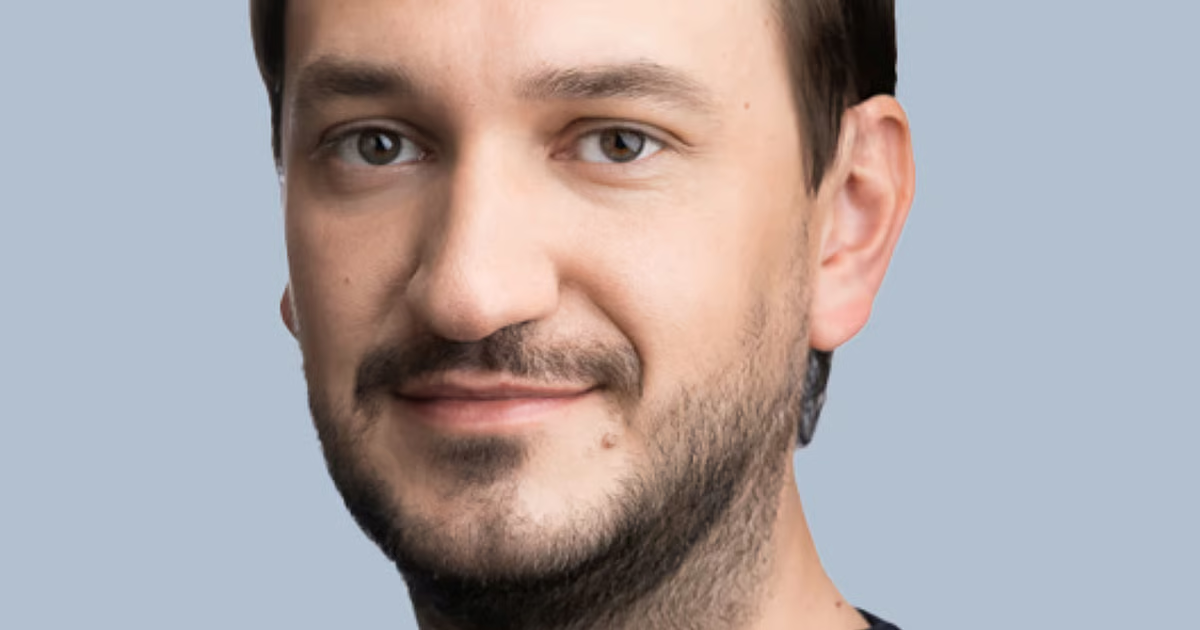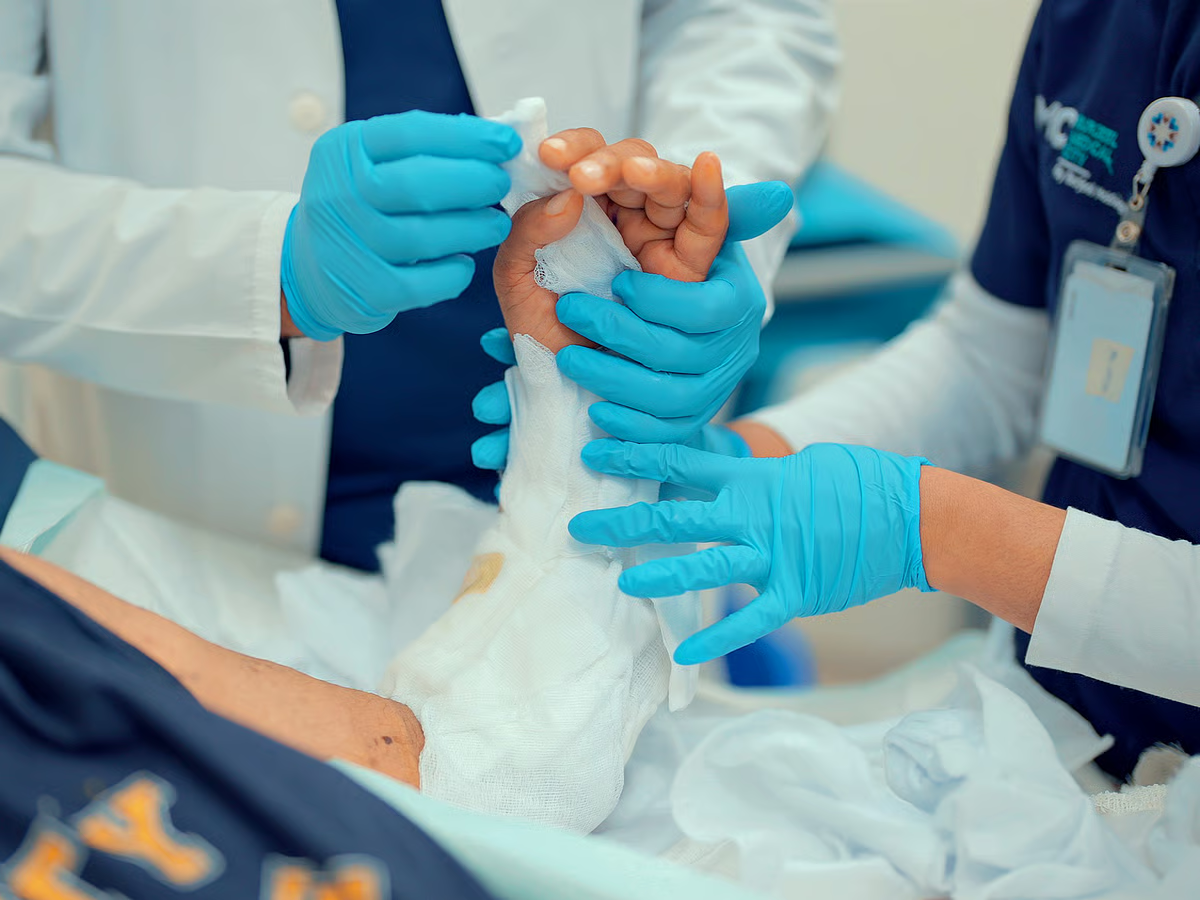

Successful limb replantation is a complex medical procedure, but swift and correct initial response can dramatically improve outcomes. Dr. Praveen Kumar Arumugam, a Specialist in Plastic and Reconstructive Surgery at Burjeel Medical City (BMC) in Abu Dhabi, recently contributed to a successful mid-forearm replantation and has outlined crucial first aid steps for such traumatic events. The incident highlights the importance of public awareness regarding emergency procedures for amputations.
The patient, whose identity has not been released, underwent the intricate surgery at BMC after a complete mid-forearm amputation. Dr. Arumugam and his multidisciplinary team were able to successfully reconnect the severed limb, restoring potential function. This case underscores the capabilities of medical facilities in the UAE and the critical role of immediate action in maximizing the chances of successful replantation.
Understanding the Critical Steps in Limb Replantation Emergencies
When faced with a traumatic amputation, every second counts. The viability of successful replantation hinges on the preservation of the severed limb and the rapid stabilization of the patient. Dr. Arumugam emphasizes that knowing the correct initial steps can significantly impact the final result.
Immediate Actions: Prioritizing Life and Limb
The first and most vital step is to summon professional medical help. According to Dr. Arumugam, calling emergency services (998 in the UAE) should be the immediate priority. This ensures the patient receives advanced medical care as quickly as possible.
Controlling the bleeding is the next crucial action. Direct, firm pressure should be applied to the wound using a clean cloth or bandage. It’s important not to remove the initial cloth if it becomes soaked with blood; instead, add additional layers on top to maintain pressure.
Simultaneously, efforts should be focused on stabilizing the patient. Laying the injured person down and elevating the affected limb, if possible, can help slow the bleeding. Providing reassurance and keeping the patient calm is also essential, as shock can exacerbate the situation.
Proper Limb Preservation for Potential Reattachment
The way a severed limb is handled dramatically affects its chances of successful replantation. The limb itself should be carefully wrapped in a clean, damp cloth – ideally sterile saline, but clean water is acceptable if saline isn’t available.
This damp wrapping prevents the tissue from drying out, which is detrimental to cell survival. The wrapped limb should then be placed in a watertight plastic bag and surrounded by ice water. However, it’s crucial to avoid direct contact between the limb and the ice, as freezing can cause further damage.
The plastic bag containing the limb should be clearly labeled as “Amputated Limb – For Replantation” and transported with the patient to the hospital. This ensures medical personnel are aware of the potential for surgical intervention and handle the limb appropriately.
Beyond Initial First Aid: The Complexities of Replantation
Successful limb replantation is not guaranteed, even with prompt and correct initial care. The procedure itself is highly complex, requiring specialized surgical expertise and resources. Factors influencing success include the level of the amputation, the mechanism of injury, the patient’s overall health, and the time elapsed between the injury and the surgery.
Replantation typically involves reconnecting bones, tendons, nerves, and blood vessels. Microscopic surgery is often necessary to restore circulation and nerve function. Following surgery, patients require extensive rehabilitation, including physical therapy and occupational therapy, to regain as much function as possible. The recovery process can be lengthy and challenging, requiring significant commitment from the patient.
While replantation is the primary goal, in some cases, it may not be feasible or the best option for the patient. Alternatives, such as revision amputation and prosthetic fitting, may be considered depending on the specific circumstances. The decision is made by a team of specialists, taking into account the patient’s individual needs and goals.
Advances in microsurgery and tissue engineering are continually improving the outcomes of limb replantation. Research is ongoing to develop new techniques to enhance nerve regeneration and restore function. Furthermore, improved pre-hospital care and public awareness campaigns are playing a vital role in increasing the success rates of these complex procedures. Related fields like trauma care and vascular surgery are also integral to positive outcomes.
The UAE has invested heavily in its healthcare infrastructure, establishing centers of excellence like Burjeel Medical City capable of performing these intricate surgeries. This commitment to advanced medical care is crucial for providing optimal treatment to patients who have suffered traumatic amputations. The availability of specialized expertise in reconstructive surgery is a key component of this effort.
Looking ahead, the focus will likely remain on refining replantation techniques and improving post-operative care. The development of more sophisticated prosthetic devices also offers promising alternatives for patients who are not candidates for replantation. Continued research and investment in these areas will be essential for advancing the field of limb reconstruction and improving the quality of life for those affected by amputation. Further data analysis on successful replantation cases within the UAE is expected in the coming months, potentially leading to updated protocols and best practices.