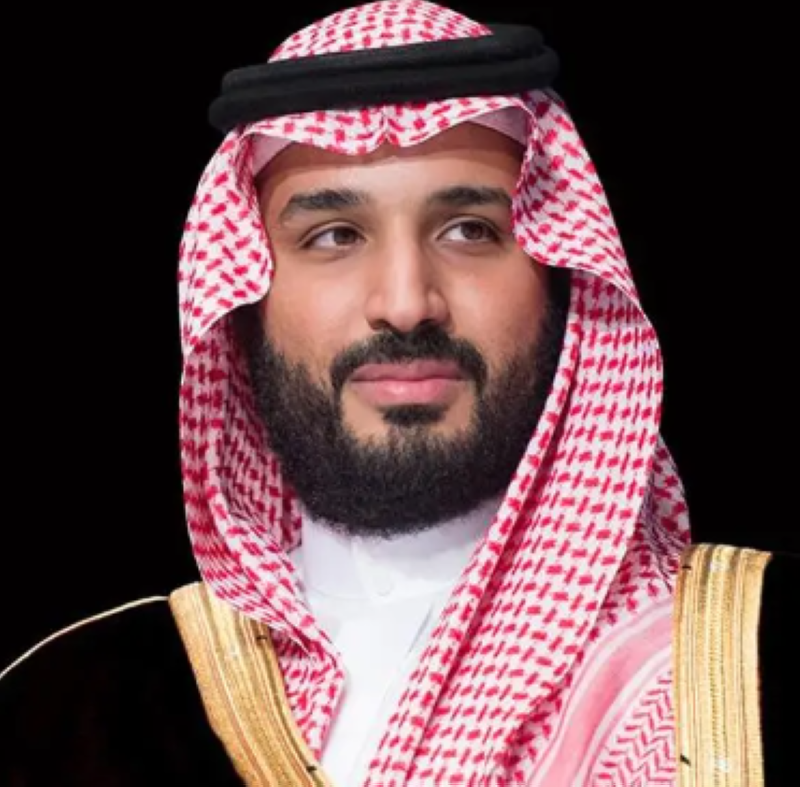

A significant diplomatic development unfolded Tuesday as Saudi Crown Prince Mohammed bin Salman received a phone call from Syrian President Bashar al-Assad. The conversation centered on reinforcing bilateral relations between the two nations, marking a further step in the ongoing thaw between Riyadh and Damascus. This communication highlights a growing willingness to engage with the Assad regime, a shift occurring after years of strained relations following the Syrian civil war.
The call, which occurred on Tuesday according to Saudi state news agency SPA, involved a discussion of potential avenues for enhanced cooperation. Leaders reviewed the current regional landscape and shared perspectives on matters of shared interest. This interaction represents one of the highest-level contacts between Saudi Arabia and Syria in over a decade and occurs amid broader efforts to de-escalate tensions in the Middle East.
Strengthening Saudi-Syria Bilateral Relations
This phone call is the newest indication of a broader Saudi Arabian strategy to re-engage with Syria. The kingdom had previously supported opposition groups fighting to overthrow the Assad government but has signaled a change in approach in recent months. This policy shift aligns with a wider regional trend of normalizing ties with President Assad, driven in part by the desire to counter the influence of other actors in the region, like Iran.
While the specific details of what cooperation might entail remain undisclosed, potential areas of focus likely include economic assistance, the resumption of diplomatic services, and coordination on security concerns. The Syrian conflict has caused widespread destruction and economic hardship, creating a substantial need for reconstruction aid. Saudi Arabia, with its significant financial resources, could play a role in these efforts.
The Regional Context
The altered relationship isn’t happening in a vacuum. Several other Arab nations, including the United Arab Emirates and Oman, have already taken steps to restore diplomatic ties with Syria. This normalization process was further advanced with Syria’s readmittance to the Arab League in May 2023. Analysts suggest these moves reflect a growing consensus that isolating Syria has been unproductive in resolving the conflict.
However, the United States and some European countries continue to maintain a more cautious stance toward the Assad regime, citing concerns about human rights abuses and the ongoing political stalemate. The Caesar Act, imposed by the U.S., continues to impose sanctions on entities doing business with the Syrian government, complicating potential economic partnerships. The differing views on engaging with Syria highlight the complex geopolitical dynamics at play.
Historical Background of Saudi-Syria Relations
Prior to the outbreak of the Syrian civil war in 2011, Saudi Arabia and Syria maintained a reasonably stable, although often pragmatic, relationship. Syria, under Hafez al-Assad and later Bashar al-Assad, was often positioned as a counterweight to Iranian influence. However, the Saudi government vehemently opposed Assad’s brutal suppression of pro-democracy protests, leading to the severing of diplomatic ties and support for rebel factions.
Throughout the war, Saudi Arabia became a key backer of Syrian opposition groups. This support included financial aid, weapons, and logistical assistance, aimed at weakening the Assad regime. The kingdom’s intervention was rooted in both sectarian concerns – Syria’s Alawite leadership is often perceived as aligned with Iran’s Shiite theocracy – and geopolitical rivalry with Iran.
The involvement of numerous external actors, including Russia, Turkey, and the United States, further exacerbated the conflict and contributed to the prolonged stalemate. In recent years, with limited success in dislodging Assad, Saudi Arabia appears to have reassessed its approach. This includes observing the apparent stabilization of the country, aided by Russian and Iranian support for the Syrian government.
The Syrian government’s control over most of its territory, coupled with the waning power of rebel groups, has altered the strategic landscape. This shift is crucial to understanding the current diplomatic overtures coming from Saudi Arabia. The move to re-engage emphasizes seeking influence through dialogue, rather than solely through supporting opposition forces.
Additionally, the recent normalization of relations between Saudi Arabia and Iran, brokered by China in March 2023, has likely contributed to Riyadh’s willingness to explore a more constructive engagement with Syria. A less confrontational relationship with Iran diminishes the urgency of maintaining absolute opposition to the Assad government. The focus now seems to be on fostering regional stability and addressing shared security concerns, including counter-terrorism and border security.
The implications of this developing relationship extend beyond Saudi Arabia and Syria. It could potentially reshape the balance of power in the region, influencing the ongoing conflicts in Yemen and Lebanon. It may also encourage other Arab nations to further normalize their relations with Damascus, potentially accelerating the country’s reintegration into the international community. The issue of humanitarian access and political reconciliation within Syria remain significant hurdles.
Looking ahead, it remains to be seen what concrete outcomes will arise from this phone call and the broader trend of normalization. Saudi Arabia has not publicly announced any immediate plans for further engagement, such as the reopening of its embassy in Damascus. However, observers anticipate continued dialogue and potentially a gradual increase in cooperation as both countries navigate the new geopolitical realities and address shared interests. Further steps regarding diplomatic engagement and regional stability will likely unfold in the coming months.