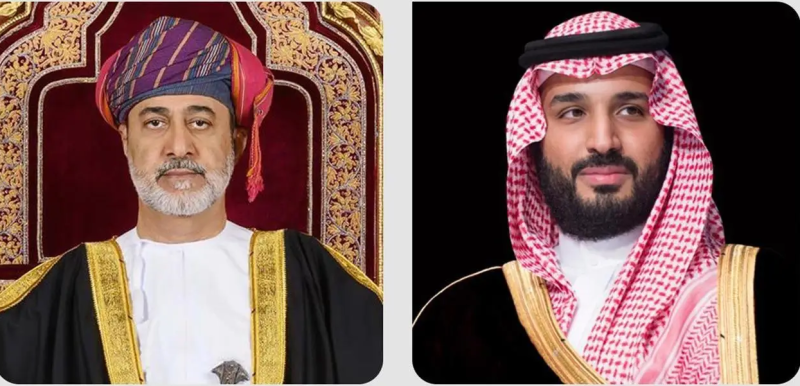

RIYADH — A message reaffirming strong ties between Saudi Arabia and Oman was delivered to Saudi officials in Riyadh on Thursday. The communication, from Sultan Haitham bin Tarik of Oman, focused on the importance of Saudi-Oman relations and potential avenues for increased cooperation. Deputy Minister of Foreign Affairs Waleed Al-Khereiji received the message from the Omani Ambassador to Saudi Arabia, Najib Al-Busaidi.
The exchange took place during a meeting at the Ministry of Foreign Affairs in Riyadh. Discussions centered on existing bilateral partnerships and strategies to strengthen collaboration across multiple sectors, according to a statement released by the Saudi Ministry of Foreign Affairs. Both parties also addressed issues of shared regional interest.
Strengthening Saudi-Oman Relations
This exchange of messages underscores the consistently positive trajectory of Saudi-Oman relations, which have seen a marked increase in diplomatic and economic activity in recent years. Both nations share a commitment to regional stability and have coordinated on various initiatives, including efforts to mediate conflicts and promote economic diversification. The relationship is particularly significant given Oman’s traditionally neutral stance in regional disputes, making it a valuable partner for Saudi Arabia’s diplomatic efforts.
Recent Collaborative Efforts
Recent joint ventures have focused on infrastructure development and trade facilitation. In 2023, both countries announced plans for a joint fund to invest in strategic projects, particularly in areas like tourism and renewable energy. Additionally, cross-border trade has increased significantly, facilitated by improvements to transportation links and streamlined customs procedures.
However, the relationship isn’t without its complexities. Both nations are balancing their close ties with other regional powers, including Iran. Oman maintains relatively good relations with Tehran, a factor that Saudi Arabia considers as it navigates its own diplomatic approach to Iran following recent normalization efforts.
The meeting between Al-Khereiji and Al-Busaidi also likely addressed ongoing regional security concerns. The Red Sea, a vital shipping lane, has seen increased instability due to attacks on commercial vessels. Both Saudi Arabia and Oman have a vested interest in maintaining maritime security and ensuring the free flow of trade. The two countries have previously collaborated on joint naval exercises to enhance their capabilities in this area.
Economic Ties and Diversification
Economic diversification is a key priority for both Saudi Arabia and Oman, driven by their respective Vision 2030 plans. Saudi Arabia’s Vision 2030 aims to reduce the Kingdom’s reliance on oil revenue, while Oman’s Vision 2040 seeks to build a sustainable and diversified economy. Collaboration in areas like tourism, logistics, and renewable energy is seen as crucial to achieving these goals.
The energy sector remains a significant component of the Saudi-Oman economic partnership. Both countries are major oil producers and members of OPEC. They have discussed potential joint projects in refining and petrochemicals, aiming to add value to their hydrocarbon resources. Furthermore, there is growing interest in exploring opportunities in green hydrogen production, leveraging their abundant solar and wind resources.
Meanwhile, political analysts suggest the strengthening of ties reflects a broader trend of increased cooperation among Gulf Cooperation Council (GCC) member states. The GCC has been working to enhance regional integration and address common challenges, such as security threats and economic volatility. This collaborative spirit is seen as essential for maintaining stability and prosperity in the region.
In contrast to past periods of regional tension, the current environment is characterized by a greater willingness to engage in dialogue and find common ground. This shift is partly attributed to changing geopolitical dynamics and a shared recognition of the need for collective action. The Saudi-Oman relationship serves as a positive example of this trend.
The Ministry of Foreign Affairs has not released details regarding specific outcomes or agreements reached during the meeting. However, the exchange of messages signals a continued commitment to deepening the strategic partnership between the two nations. Further discussions are expected to take place in the coming months, potentially leading to new initiatives and agreements.
Looking ahead, the next steps will likely involve working-level meetings between officials from various ministries to explore specific areas of cooperation. A joint commission meeting, potentially scheduled before the end of the year, could provide a platform for reviewing progress and setting new priorities. The ongoing situation in the Red Sea and broader regional developments will undoubtedly influence the agenda of these discussions, and the long-term impact of these strengthened ties on regional stability remains to be seen.