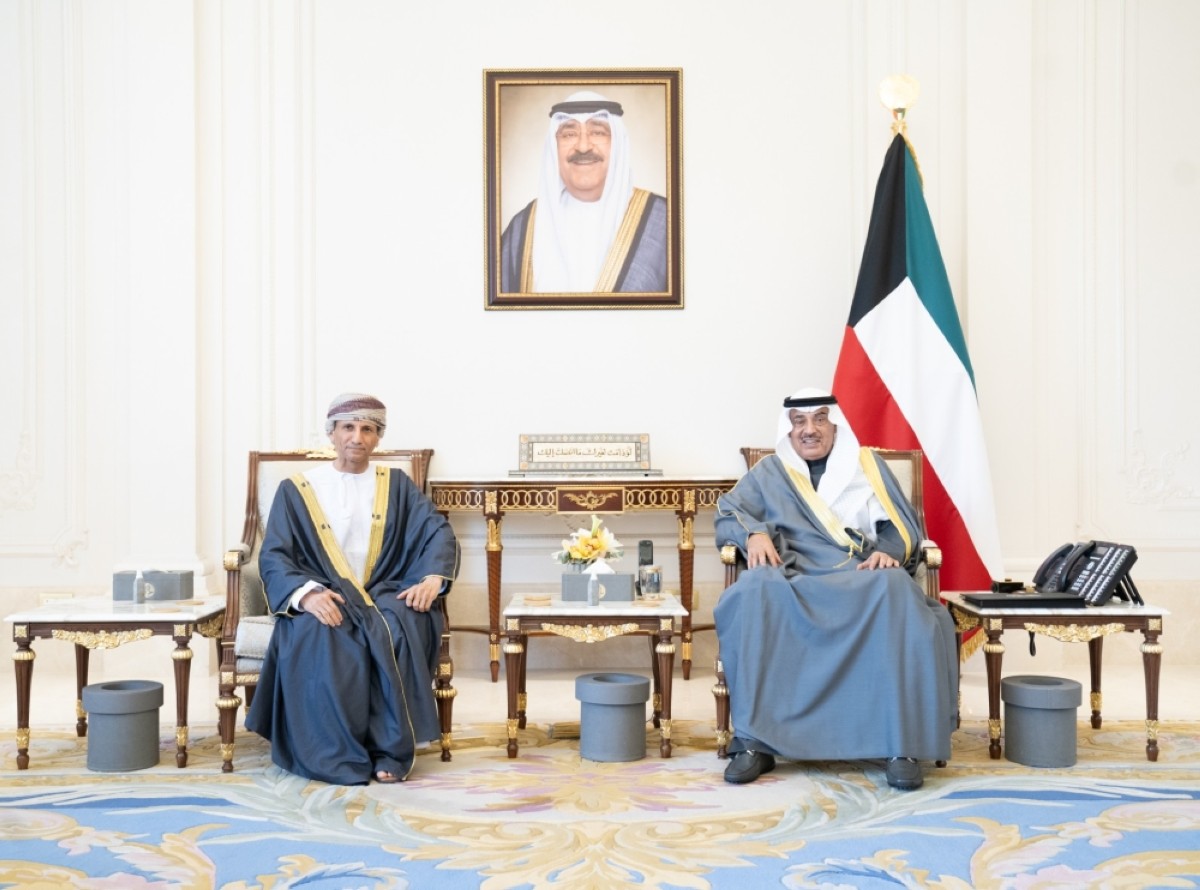

The culmination of two decades of United Nations assistance in Iraq arrives as UNAMI, the United Nations Assistance Mission for Iraq, nears the end of its mandate on December 31, 2025. This transition is particularly poignant for Kuwait, which has worked closely with UNAMI since 2013 to address outstanding issues stemming from the 1990 invasion, including the sensitive matter of missing persons and the return of stolen property. Recent discussions, including a meeting between His Highness the Crown Prince of Kuwait Sheikh Sabah Al-Khaled Al-Hamad Al-Sabah and UN Secretary-General’s Special Representative for Iraq, Ambassador Dr Mohammad Al-Hassan, highlight both the achievements and remaining challenges as UNAMI prepares to close its doors.
## The End of an Era: UNAMI’s Closing Mandate
His Highness the Crown Prince received Ambassador Al-Hassan on Tuesday, marking the end of his distinguished tenure and, more broadly, signaling a significant shift in the international community’s role in Iraq. Established in 2003 in the wake of the US-led invasion, UNAMI initially played a crucial role in supporting Iraq’s complex political transition. However, its focus evolved, particularly to address the lingering concerns of Kuwait regarding the aftermath of the 1990 invasion and occupation.
This shift reflects the enduring impact of that period on Kuwaiti national memory and the practical necessities of resolving decades-old disputes. While Iraq has made strides towards stability, Kuwait continues to seek resolution concerning its citizens and assets impacted by the conflict. The upcoming expiration of UNAMI’s mandate sparks debate about the future of these efforts.
## Kuwait’s Pursuit of Accountability & Property Return
Since 2013, UNAMI’s work has been inextricably linked to addressing the humanitarian consequences of Iraq’s invasion of Kuwait. This included the critical, and emotionally charged, task of determining the fate of Kuwaitis and third-country nationals who went missing during the occupation. The mission also worked to facilitate the return of stolen Kuwaiti property, ranging from essential infrastructure components to invaluable cultural artifacts.
### Significant Recoveries and Ongoing Concerns
UNAMI has achieved considerable success in recovering stolen items. Hundreds of thousands of cultural objects have been returned to Kuwait, representing a substantial victory in preserving its national heritage. Additionally, the mission has been able to identify the remains of 59 missing individuals, offering a degree of closure to grieving families.
However, these successes are tempered by the fact that 315 people remain unaccounted for. This number is a constant source of pain and frustration for Kuwait. Furthermore, significant portions of Kuwait’s national archives remain missing, representing a historical and cultural loss that continues to fuel the push for full accountability. This outstanding issue emphasizes the need for continued international attention to ensure complete resolution. The enduring impact of the Gulf War remains a central topic in international relations.
## Differing Visions for the Future: UN Oversight vs. Bilateral Negotiations
As UNAMI prepares to depart, a key question remains: who will oversee the ongoing resolution of these critical issues? Kuwait has forcefully advocated for continued UN oversight, even in a modified form. Specifically, they have proposed the appointment of a High-Level Coordinator, tasked with maintaining accountability and transparency in the process. This position, Kuwait believes, is essential to ensuring that Iraq continues to address its obligations.
The Iraqi perspective, however, differs. Iraq has expressed a preference for handling these matters bilaterally with Kuwait directly, believing they are now capable of resolving the remaining issues independently. This divergence in opinion highlights a fundamental disagreement about the level of international scrutiny that should continue. The situation demands sensitive diplomacy to reconcile these viewpoints and ensure a durable, acceptable solution for both nations.
## UN Secretary-General’s Reflections & Next Steps
UN Secretary-General Antonio Guterres acknowledged the significant role UNAMI played during its tenure while marking its closure on December 13th in Baghdad. He stated that the mission was “honored and humbled” to work alongside the Iraqi people, emphasizing its commitment to Iraq’s “peace, sustainable development and human rights.”
Despite the mission’s conclusion, Guterres affirmed the United Nations’ ongoing commitment to Iraq. The UN will continue to support Iraq through various agencies and programs, focusing on development, humanitarian assistance, and promoting human rights. The withdrawal of UNAMI isn’t a complete disengagement but a transition to a different form of support. The implications of this shift in the regional security landscape are significant.
In conclusion, the approaching end of UNAMI’s mandate marks a critical juncture in the relationship between Kuwait and Iraq. While the mission has achieved considerable progress in resolving issues stemming from the 1990 invasion, particularly in the recovery of cultural artifacts and identification of missing persons, significant challenges remain. Kuwait’s call for continued UN oversight through a High-Level Coordinator underscores its desire for accountability and transparency, a stance currently met with resistance from Iraq. Moving forward, diplomatic efforts will be crucial to navigate these differing perspectives and ensure a just and lasting resolution that addresses the legitimate concerns of all parties involved. Readers are encouraged to follow ongoing reports from KUNA and the United Nations for further updates on this evolving situation.