
RIYADH – Crown Prince Mohammed bin Salman recently inaugurated significant new facilities at King Salman Air Base in the Central Sector of Saudi Arabia, marking a key step in bolstering the nation’s air force capabilities. The opening, which took place on Tuesday, is part of a broader series of strategic projects designed to modernize and enhance the readiness of the Royal Saudi Air Force (RSAF). The new infrastructure aims to improve the RSAF’s ability to respond to regional security challenges and support joint operations with other branches of the Saudi Armed Forces.
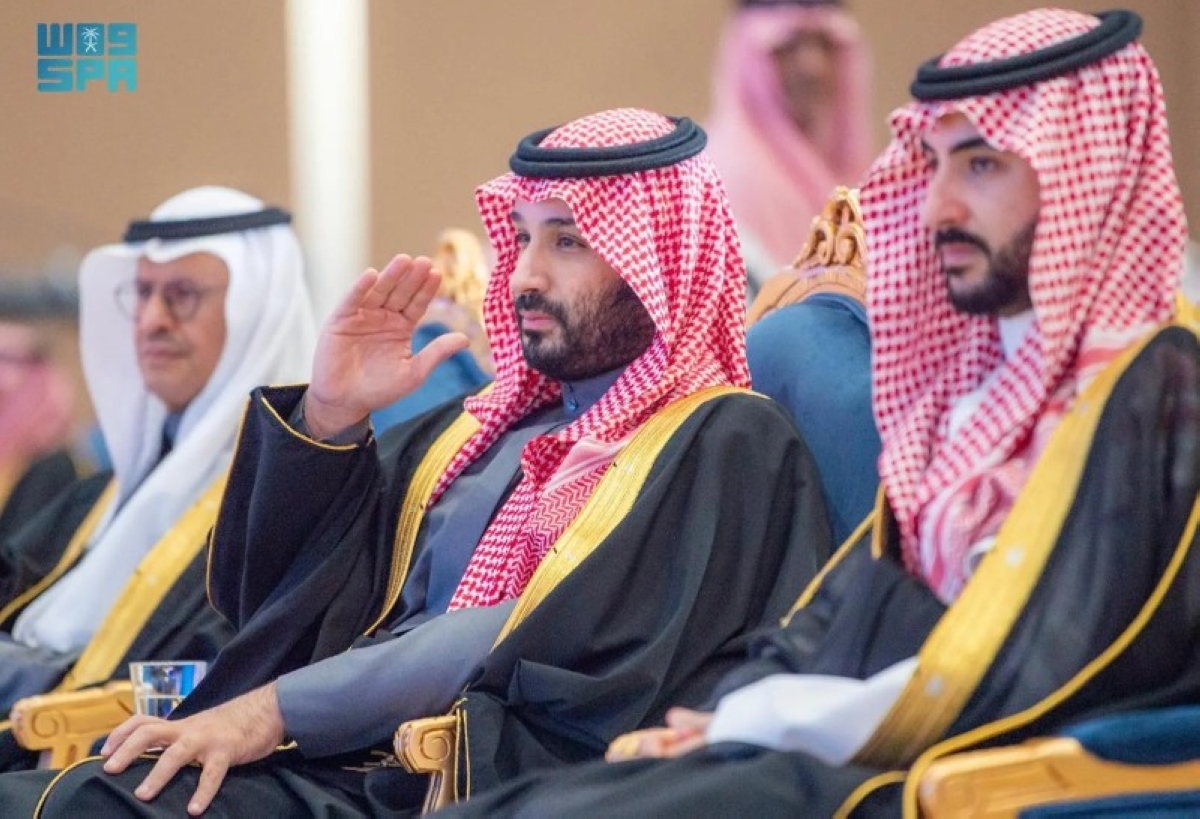
The inauguration ceremony, held at the base itself, was attended by high-ranking officials including Minister of Defense Prince Khalid bin Salman, Minister of Energy Prince Abdulaziz bin Salman, and the Deputy Emir of Riyadh Region Prince Mohammed bin Abdulrahman. The project’s completion signifies a substantial investment in the country’s defense infrastructure and a commitment to maintaining a modern and effective military.
Enhancing Saudi Arabia’s Air Force Readiness
The newly completed facilities at King Salman Air Base are extensive, covering over 126,000 square meters and comprising 115 buildings. These structures include critical infrastructure such as runways, aircraft parking aprons, helicopter pads, and hangars, all constructed to meet stringent international military standards. The project also incorporates an advanced air traffic control tower and dedicated spaces for technical support, administrative functions, personnel housing, and security operations.
According to reports from the Saudi Ministry of Defense, the construction phase began in the third quarter of 2021 and spanned 38 months. This relatively rapid completion time reflects efficient project management and a focused effort to accelerate the modernization of the RSAF. The base’s design incorporates the distinctive Salmani architectural style, blending traditional aesthetics with contemporary urban planning.
Strategic Importance of the Central Sector
The location of King Salman Air Base in the Central Sector is strategically significant for the Kingdom. This positioning allows for rapid deployment of air assets to various regions within Saudi Arabia and facilitates quicker response times to potential threats. The Central Sector’s geographic centrality also supports logistical operations and coordination with other military installations.
Saudi Arabia has been steadily increasing its defense spending in recent years, driven by regional geopolitical tensions and a desire to diversify its economy away from oil. This investment extends beyond hardware procurement to include infrastructure development, training programs, and technological upgrades. The modernization of the air force is a particularly high priority, given its crucial role in safeguarding the country’s airspace and projecting power.
Modernization and Joint Operations
The new facilities are specifically designed to support the evolving needs of the RSAF, including the integration of advanced aircraft and weapon systems. They will also enhance the Air Force’s capacity for planning, command, and control, enabling more effective coordination with other branches of the Saudi Armed Forces. This emphasis on joint operations reflects a broader trend in Saudi military strategy.
The Kingdom has been actively pursuing partnerships with international defense companies to acquire cutting-edge technology and expertise. These collaborations aim to strengthen Saudi Arabia’s self-reliance in defense and reduce its dependence on foreign assistance. The upgraded infrastructure at King Salman Air Base will be instrumental in accommodating these new capabilities and facilitating seamless integration into existing operations.
The project’s completion also addresses the growing need for improved living conditions and support services for RSAF personnel. The new residential facilities are designed to provide comfortable and modern accommodations, contributing to the overall morale and well-being of the Air Force’s workforce. This focus on personnel welfare is considered essential for maintaining a highly skilled and motivated fighting force.
The development of King Salman Air Base aligns with Saudi Arabia’s Vision 2030, a comprehensive plan for economic and social reform. While primarily focused on economic diversification, Vision 2030 also recognizes the importance of a strong and secure defense sector for achieving long-term stability and prosperity. Investment in military infrastructure is therefore viewed as a key component of the broader national agenda.
The inauguration of these facilities represents a significant advancement in Saudi Arabia’s defense capabilities, particularly concerning its air defense systems. However, the true impact of the project will depend on the effective integration of the new infrastructure with existing assets and the ongoing training of RSAF personnel. The Ministry of Defense has not yet announced specific timelines for the full operationalization of the new facilities.
Looking ahead, further developments at King Salman Air Base and other military installations are anticipated as Saudi Arabia continues to pursue its ambitious modernization program. The Kingdom is expected to announce additional investments in advanced technologies, including unmanned aerial vehicles (UAVs) and cyber warfare capabilities. Monitoring the progress of these initiatives will be crucial for understanding the evolving security landscape in the region and Saudi Arabia’s role within it.
The next steps will likely involve the transfer of personnel and equipment to the new facilities, followed by a period of testing and evaluation. While no firm deadline has been set, officials have indicated a desire to bring the base to full operational capacity as quickly as possible. The ongoing regional situation and the need to maintain a credible deterrent will undoubtedly influence the pace of these developments.