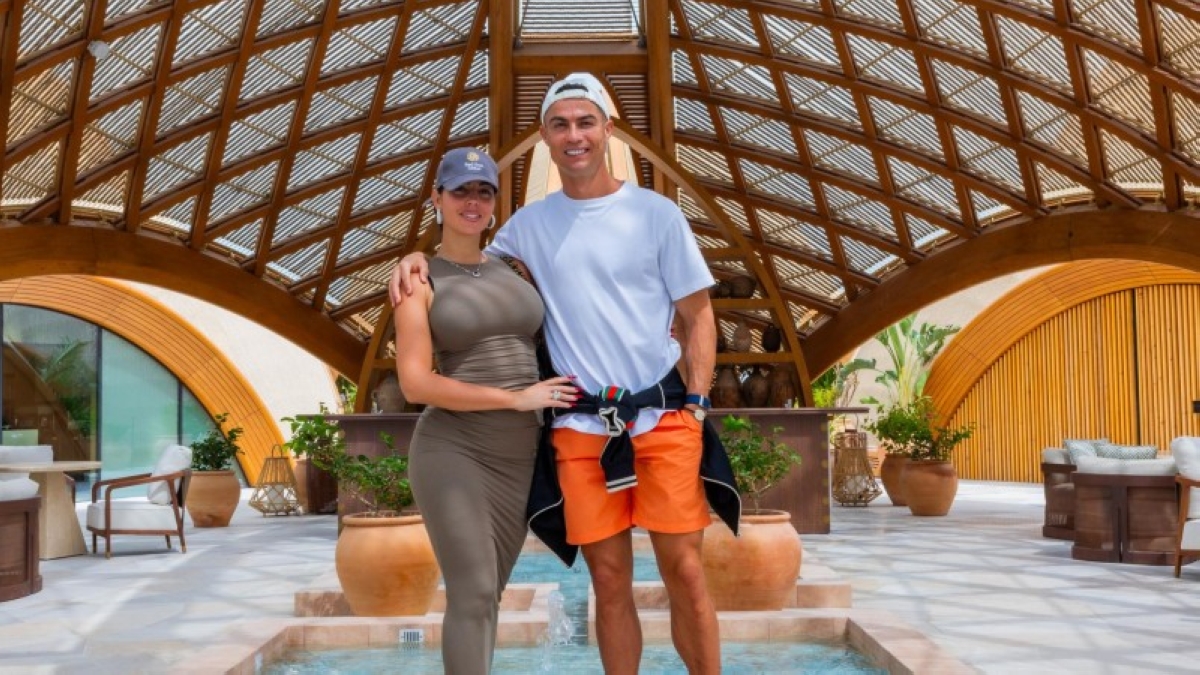

Football superstar Cristiano Ronaldo and his partner, Georgina Rodríguez, have recently invested in property at Nujuma, a Ritz-Carlton Reserve located within the Red Sea International resort development in Saudi Arabia. The purchase underscores the growing appeal of the Red Sea destination as a luxury travel and residential hub, attracting high-profile individuals to the region. The acquisition includes two villas, designed for family use and personal enjoyment.
The Red Sea project, situated along Saudi Arabia’s western coast, is rapidly becoming a prominent destination for both tourists and investors. These residences are located on private islands, approximately 26 kilometers from the mainland and accessible via boat or seaplane, offering significant seclusion. The area’s focus on high-end tourism and sustainable practices is drawing international attention.
The Allure of Red Sea Residences and Nujuma
Ronaldo expressed his and Rodríguez’s immediate connection to the destination, citing its tranquility and natural beauty. He indicated that owning property at Nujuma provides the family with enhanced privacy and comfort during their visits. The couple has reportedly been frequent visitors since the initial resorts opened in 2023, highlighting their confidence in the project.
Nujuma itself features 19 luxury villas, each designed as an independent unit to maximize privacy. The resort’s location allows for direct engagement with the surrounding environment. This focus on immersive experiences aligns with current trends in luxury travel, which emphasizes authenticity and connection to nature.
Sustainability as a Key Draw
A major differentiating factor for the Red Sea development is its commitment to sustainability. Red Sea International aims to achieve a net positive environmental impact of 30% by 2040, according to company statements. This ambitious goal includes extensive initiatives focused on enhancing local ecosystems, such as coral reef restoration, mangrove propagation, and seagrass bed preservation.
Furthermore, all resorts and residential facilities within the Red Sea and AMAALA projects are powered by 100% renewable energy. This commitment addresses growing concerns about the carbon footprint of tourism and positions the destination as a leader in eco-conscious hospitality and luxury real estate.
Expansion and Accessibility
The Red Sea destination currently boasts nine operational luxury hotels. Shura Island, envisioned as the central hub, is preparing for the opening of its first resort, part of a larger plan to introduce 11 additional resorts. This phase of development includes a championship golf course, diverse dining options, retail spaces, and cultural facilities.
Accessibility to the Red Sea is also expanding. The Red Sea International Airport offers direct flights to key regional and international cities, including Riyadh, Jeddah, Dubai, Doha, and Milan. This connectivity places the destination within reach of approximately 250 million people within three hours and 85% of the global population within eight hours, boosting its potential as a travel destination and a hot spot for international investment.
Part of Saudi Arabia’s Vision 2030
The Red Sea project forms a crucial component of Saudi Arabia’s Vision 2030 plan, a national strategy aimed at diversifying the country’s economy and reducing its reliance on oil. The development of tourism and hospitality infrastructure is a key pillar of this vision, and the Red Sea is intended to be a showcase for the kingdom’s modernization and commitment to a more sustainable future.
Government initiatives have provided substantial financial backing and streamlined regulatory processes to facilitate rapid development. This support has attracted both domestic and foreign investors, contributing to the project’s accelerated growth. The focus on creating a unique and high-quality tourism experience is intended to draw a new segment of visitors to Saudi Arabia.
The investment by Ronaldo and Rodríguez is seen as a significant endorsement of the Red Sea project and its potential. It is likely to further enhance the destination’s profile and attract additional high-net-worth individuals seeking exclusive properties in a rapidly developing region. The project is also contributing to job creation and skills development within the local community.
Looking ahead, the completion of Shura Island’s resorts and the continued expansion of the Red Sea International Airport are key milestones to watch. The success of the sustainability initiatives will also be crucial in establishing the destination’s long-term viability and appeal. While the project is progressing rapidly, ongoing geopolitical factors and global economic conditions could influence the pace and scope of future development within the Red Sea region.
The Red Sea International continues to explore further investment opportunities, and future announcements regarding partnerships and project expansions are anticipated. The overall impact of Vision 2030 on the tourism sector and the broader Saudi Arabian economy remains a key area of observation for industry analysts and investors alike.