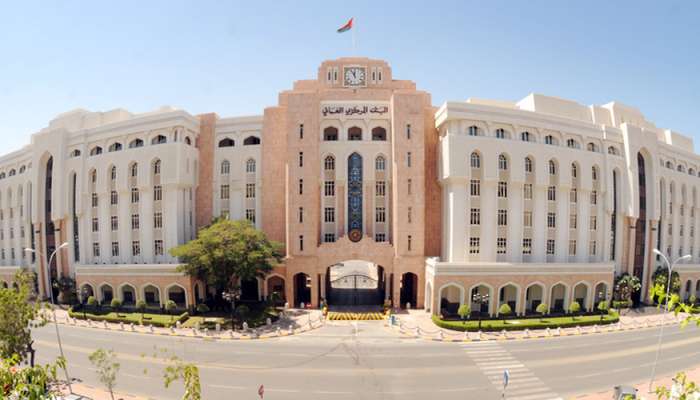

Oman’s banking sector continues to demonstrate robust growth, with recent data from the Central Bank of Oman (CBO) revealing a significant increase in both credit extended and deposits held. By the end of October 2025, total credit growth in Oman reached 9 percent, amounting to OMR34.7 billion. This positive trend signals a strengthening economy and increased financial activity within the Sultanate. The data also highlights the sectors driving this expansion and the corresponding growth in customer deposits.
Banking Sector Performance: A Detailed Look at Credit Growth in Oman
The CBO’s data paints a picture of a healthy and expanding financial landscape. The 9% rise in overall credit signifies increased lending activity across various segments of the Omani economy. A key driver of this growth is the private sector, which saw its credit increase by a substantial 5.8 percent, reaching OMR28.3 billion. This indicates a growing confidence among businesses and individuals to take on financing for investment and consumption.
Sectoral Distribution of Credit
The distribution of this credit reveals interesting insights into the economic priorities within Oman. The non-financial corporate sector remains the largest beneficiary, receiving 46.8 percent of the total credit. This suggests continued investment in key industries driving Oman’s diversification efforts, such as logistics, manufacturing, and tourism.
Following closely behind, the individuals sector accounted for 44.7 percent of the credit, demonstrating strong consumer demand and access to financing for personal needs like housing and vehicles. This is a positive sign for domestic consumption and overall economic wellbeing.
The remaining credit was allocated to the financial corporate sector (5.7 percent) and other sectors (2.8 percent), indicating a broader, albeit smaller, distribution of funds. Understanding these banking trends in Oman is crucial for investors and policymakers alike.
Deposit Growth Fuels Lending Capacity
Alongside the increase in credit, total deposits within the banking sector also experienced healthy growth, rising by 3.5 percent to approximately OMR33 billion by the end of October 2025. This growth in deposits provides banks with a larger pool of funds to lend, directly supporting the observed credit growth in Oman. A significant portion of this increase came from the private sector, with deposits growing by 9.4 percent to reach OMR22.3 billion.
Private Sector Deposit Breakdown
The composition of private sector deposits further clarifies the dynamics at play. The personal sector holds the largest share, accounting for 50.4 percent of the total. This reflects the savings habits of Omani citizens and residents, and their reliance on the banking system for managing their finances.
The non-financial corporate sector represents 30.3 percent of private sector deposits, indicating that businesses are actively saving and utilizing banking services. The financial corporate sector holds 17.2 percent, while other sectors contribute the remaining 2.1 percent. This balanced distribution of deposits across different sectors strengthens the stability and resilience of the Omani banking system.
Implications for the Omani Economy
The combined growth in credit and deposits signals a positive outlook for the Omani economy. Increased lending to the private sector fuels investment, job creation, and economic diversification. The strong deposit base provides a solid foundation for sustainable lending and financial stability.
However, it’s important to note that sustained financial sector development in Oman requires careful monitoring of risk factors. Maintaining a healthy non-performing loan ratio and ensuring responsible lending practices are crucial for long-term growth. Furthermore, continued efforts to promote financial inclusion and innovation will be essential to maximize the benefits of this expanding financial landscape.
The growth in personal deposits also suggests a potential increase in disposable income and consumer confidence, which could further stimulate economic activity. This trend is particularly relevant as Oman continues to implement its Vision 2040 plan, which focuses on economic diversification and improving the quality of life for its citizens. Analyzing Oman economic indicators like these is vital for understanding the nation’s progress.
Looking Ahead: Sustaining Momentum
The latest data from the CBO confirms that Oman’s banking sector is on a positive trajectory. The 9% increase in total credit, coupled with a 3.5% rise in deposits, demonstrates a healthy and dynamic financial system. To sustain this momentum, it will be crucial for policymakers and financial institutions to focus on fostering a stable macroeconomic environment, promoting responsible lending practices, and encouraging innovation within the sector.
Continued investment in infrastructure, diversification of the economy, and initiatives to support small and medium-sized enterprises (SMEs) will also play a vital role in driving future credit growth and ensuring the long-term prosperity of the Sultanate. We can expect further analysis of these figures in upcoming CBO reports, providing a more granular understanding of the evolving financial landscape in Oman.