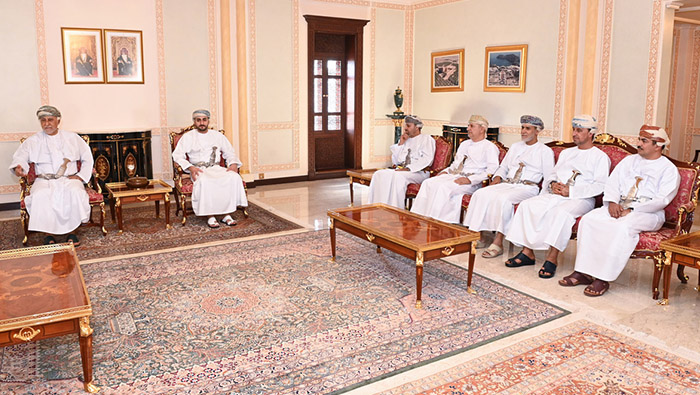

The Sultanate of Oman continues to strengthen its collaborative governance structure, as evidenced by a recent high-level meeting in Muscat. HH Sayyid Shihab bin Tarik Al Said, the Deputy Prime Minister for Defence Affairs, received Sheikh Abdulmalik bin Abdullah Al Khalili, Chairman of the State Council, and members of the Council’s Office, signaling a renewed commitment to unified national progress. This meeting underscores the importance of ongoing dialogue and coordination between key Omani institutions as the nation advances its ambitious development plans.
Reinforcing Collaboration: Muscat Meeting Highlights Omani Governance
The meeting, held at the Council’s building in Muscat on Tuesday, was attended by a number of Their Highnesses and Excellencies, alongside members of the Council of Ministers. It took place within the legal framework established by the Council of Oman Law, specifically designed to foster continuous cooperation and coordination between the Council of Ministers, the State Council, and all other governmental bodies. This proactive approach to inter-council relations is a cornerstone of Oman’s strategic vision for the future.
Praise for the State Council’s Contributions
HH Sayyid Shihab bin Tarik Al Said initiated the discussion by expressing his sincere appreciation for the diligent work undertaken by the State Council. He specifically highlighted the value of the Council’s insightful views and well-considered proposals. These contributions, His Highness noted, are vital in propelling Oman’s national agenda forward, ensuring continued development and prosperity for all citizens. The focus on constructive input from the State Council demonstrates a commitment to evidence-based policymaking.
Commitment to Specialized Studies and National Objectives
Sheikh Abdulmalik bin Abdullah Al Khalili, in turn, conveyed the State Council’s gratitude for the government’s consistent support and dedication to strengthening their partnership. He affirmed the Council’s unwavering commitment to delivering specialized studies and constructive proposals that address the evolving needs of the nation. The Chairman emphasized the importance of enhanced joint coordination between the two councils to effectively implement developmental plans and programs, aligning with the aspirations of Oman’s future and achieving its overarching national objectives. This dedication to Oman development is a key theme.
Focus on the Eleventh Five-Year Development Plan
A significant portion of the meeting was dedicated to reviewing strategies for unifying efforts and enhancing institutional partnerships. The discussions centered on how to best integrate the work of various state institutions to successfully implement the general state policy. A key focus was the Eleventh Five-Year Development Plan (2026-2030), a crucial roadmap for Oman’s future economic and social progress.
The plan itself represents a substantial investment in Oman’s future, and the meeting served as a platform to ensure all stakeholders are aligned in its execution. Participants explored ways to leverage the expertise of both the Council of Ministers and the State Council to overcome potential challenges and maximize the impact of the plan’s initiatives. This collaborative spirit is essential for navigating the complexities of modern development.
Preserving Gains and Serving the Nation
Beyond the specifics of the Eleventh Five-Year Plan, the meeting also addressed the broader need to safeguard the significant achievements and gains Oman has made across all sectors. This includes protecting the nation’s cultural heritage, ensuring environmental sustainability, and fostering a strong and resilient economy. The overarching goal, as repeatedly emphasized, is to serve the interests of Oman and its loyal citizens under the wise leadership of His Majesty the Sultan. The meeting in Muscat was a clear demonstration of this commitment.
The Importance of Institutional Synergy in Oman
This meeting is not an isolated event, but rather a continuation of a long-standing tradition of collaboration within the Omani government. The emphasis on institutional synergy – the idea that the combined effect of different entities working together is greater than the sum of their individual efforts – is a defining characteristic of Oman’s governance model. This approach allows for a more holistic and effective response to the challenges and opportunities facing the nation. The Omani government clearly values this approach.
Furthermore, the focus on specialized studies and proposals from the State Council highlights the importance of incorporating expert knowledge into the policymaking process. By actively seeking input from a diverse range of stakeholders, Oman is ensuring that its development plans are well-informed, sustainable, and aligned with the needs of its people. This commitment to inclusivity and expertise is a key factor in Oman’s continued success.
The meeting between HH Sayyid Shihab bin Tarik Al Said and Sheikh Abdulmalik bin Abdullah Al Khalili represents a significant step in reinforcing this collaborative framework. It signals a renewed dedication to working together to achieve Oman’s ambitious vision for the future, a future built on sustainable development, economic diversification, and the well-being of its citizens.
As Oman progresses towards its goals outlined in the Eleventh Five-Year Development Plan, continued dialogue and cooperation between the Council of Ministers, the State Council, and all state institutions will be paramount. This proactive approach to governance will undoubtedly contribute to Oman’s continued prosperity and its ability to navigate the challenges of a rapidly changing world.