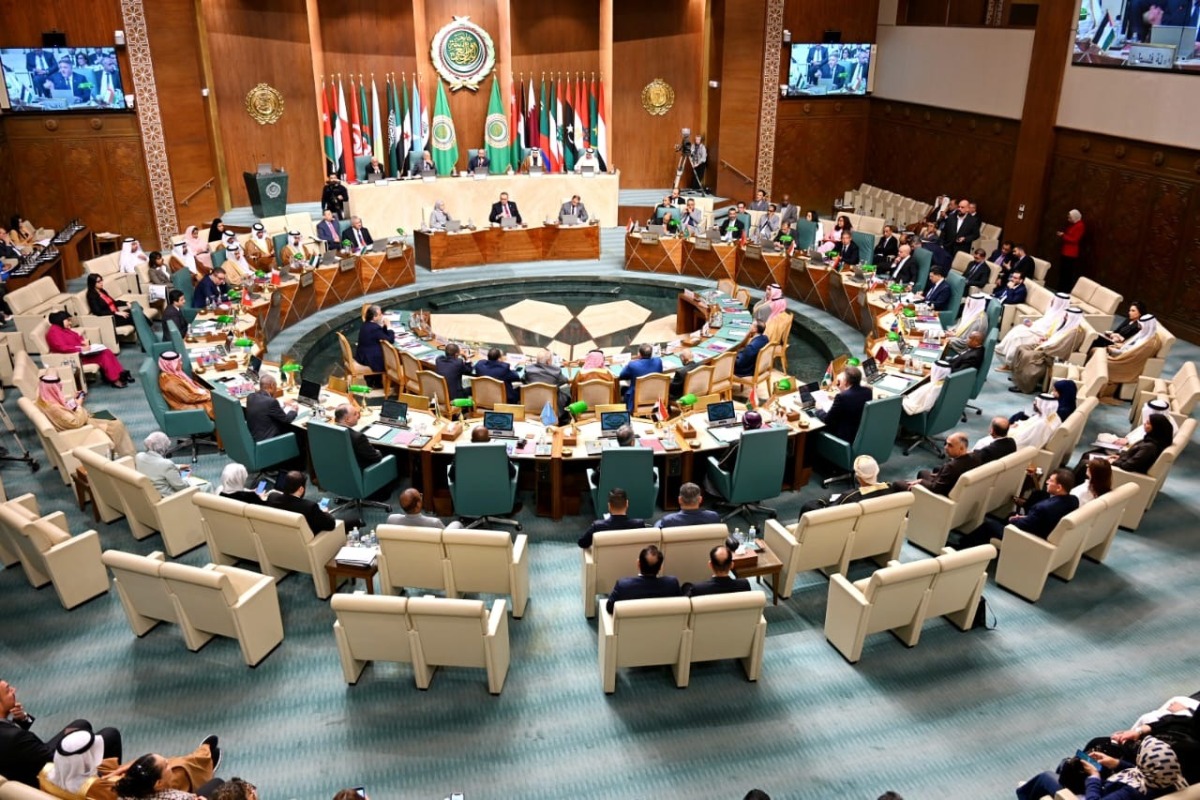

Doha, Qatar has been designated the Arab Media Capital for 2027, following a decision made by the Council of Arab Information Ministers at its 55th ordinary session in Cairo on Wednesday. The selection of Doha recognizes Qatar’s growing role and investment in the media landscape of the Arab world. Additionally, Rabat, Morocco was named Arab Media Capital for 2026, and Damascus, Syria, for 2028.
The Council’s decisions, announced in a final communique, aim to recognize cities that demonstrate significant contributions to the development of Arab media, and to promote cultural exchange through media initiatives. The designation will involve a series of events and activities showcasing each city’s media capabilities and cultural heritage. This is part of a broader effort to highlight the importance of pan-Arab media cooperation.
Doha as Arab Media Capital: A Focus on Future Media Development
The selection of Doha as the Arab Media Capital for 2027 acknowledges the significant investments Qatar has made in media infrastructure and content creation. Qatar has become a hub for international media organizations, hosting numerous conferences and events related to journalism, film, and digital media. The country’s media outlets, such as Al Jazeera, have a wide reach across the Arab world and beyond, offering a platform for diverse voices and perspectives.
Responsibilities and Preparations
The Council of Arab Information Ministers has called upon Morocco to begin preparations for Rabat’s year as Arab Media Capital in 2026. This includes developing a comprehensive program of events focused on showcasing the city’s media strengths. A specific emphasis was requested regarding dedicated activities highlighting the importance of Jerusalem (Al-Quds Al-Sharif).
According to the Arab League, the program for each designated city should foster collaboration between media institutions and encourage innovation in the sector. The selection process considered factors such as the quality of media infrastructure, the diversity of media content, and the promotion of ethical journalism standards. This reflects a growing concern within the Arab League surrounding responsible reporting.
The Council also commended Kuwait’s efforts throughout its ongoing designation as Arab Media Capital for 2025. A report detailing Kuwait’s activities will be compiled and distributed to member states, intended to serve as a reference for future host cities and initiatives. This knowledge sharing aims to improve the impact of the Arab Media Capital designation program.
The Council placed a particular emphasis on the ongoing situation in Jerusalem. Ministers urged Arab media outlets to provide increased coverage of the occupied city, reinforcing its status as the “eternal Arab Media Capital” – a symbolic designation affirmed by previous Council decisions. This call comes amid heightened tensions in the region and concerns over the preservation of Palestinian cultural heritage.
Analysts suggest these designations reflect an effort by the Arab League to shape the narrative surrounding regional issues and counter what it perceives as biased reporting from international media. The focus on Jerusalem, in particular, demonstrates the League’s commitment to raising awareness of the Palestinian cause. Satellite communications and the digital sphere are expected to play a prominent role in the upcoming initiatives, aligning with global media trends.
The next step involves each designated city formulating detailed plans for their respective years. While timelines for these plans weren’t specified by the Council, member states should be working on preliminary drafts by early 2024. The successful implementation of these plans, including the allocation of resources and logistical arrangements, will be crucial to realizing the full potential of the Arab Media Capital program and fostering a more vibrant and unified Arab media landscape.
It remains to be seen how geopolitical events will influence the programs in each city, particularly regarding Damascus given the ongoing complexities within Syria. Monitoring the development of these programs and the specific events planned will offer insights into the Arab League’s evolving media strategy.