



Living with a disability in Europe can be challenging due to obstacles and discrimination. The Paris 2024 Paralympic Games have brought attention to this issue, but there is still much work to be done. In the European Union, over 101 million adults have some form of disability, with more than half reporting discrimination and a third at risk of poverty. Each EU Member State has its own inclusion policies, with varying levels of effectiveness. The Netherlands, for example, has implemented numerous measures to protect the rights of people with disabilities, but the UN has criticized the country for existing inequalities.
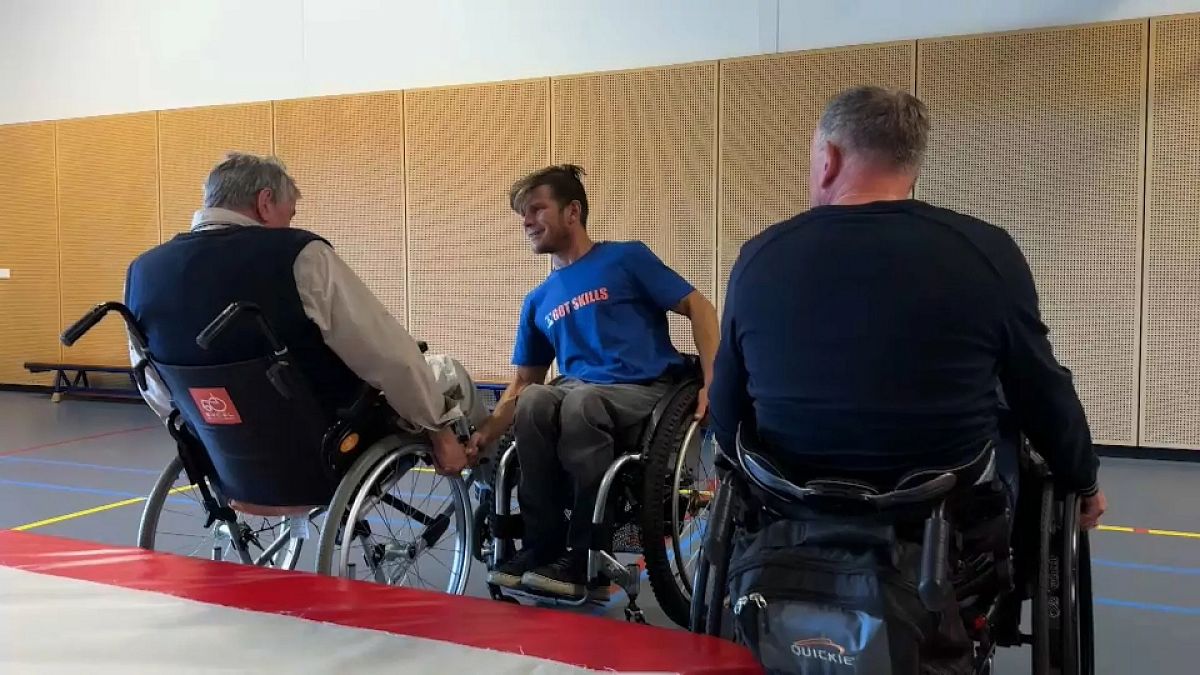
Despite Amsterdam having more facilities adapted for disabled individuals than many European cities, there are still limitations to adaptation in the city. Paralympic ski champion Kees-Jan van der Klooster, who is paralyzed from the waist down, highlights the challenges of navigating Amsterdam’s narrow streets and old buildings in a wheelchair. While adaptation is important, he believes that individuals also need to adapt to the world around them. Kees-Jan now focuses on training courses to help disabled people overcome obstacles, emphasizing that sometimes concrete results are more effective than national or European legislation.
Various European directives and regulations aim to protect the rights of people with disabilities, particularly in areas such as transport, employment, and access to goods and services. The introduction of a new European disability card and preferential parking card by 2028 is a step towards ensuring equal rights. However, there are still significant barriers to freedom of movement for disabled individuals within the EU. President of the European Disability Forum, Ioannis Vardakastanis, highlights the need for strong anti-discrimination legislation and increased budget allocation for inclusion, equal treatment, and poverty reduction. The approval and implementation of legislation, such as the directive on equal treatment, are essential for creating a more inclusive and equal union.
In order to achieve a union of equality, stronger legislation and increased budget allocation are necessary. The directive on equal treatment, approved by the Commission and Parliament in 2008, remains blocked at the European Council. Ioannis Vardakastanis emphasizes the importance of anti-discrimination laws and adequate funding for inclusion initiatives. He stresses that actions, not just words, are needed to bring about tangible change for people with disabilities. As Europe grapples with issues related to disability rights and inclusion, it is crucial for policymakers to prioritize the needs of this vulnerable population and work towards creating a more accessible and equitable society.
Living with a disability in Europe can be a challenging experience, with many individuals facing discrimination and barriers to full participation in society. While the Paris 2024 Paralympic Games have raised awareness about these issues, there is still much work to be done to ensure the rights of people with disabilities are protected. In the European Union, over a quarter of the population has some form of disability, with many reporting discrimination and a risk of poverty. Each EU Member State has its own policies on inclusion, with varying levels of effectiveness. While countries like the Netherlands have implemented measures to support people with disabilities, there are still inequalities that need to be addressed.
Despite efforts to adapt cities like Amsterdam to be more accessible, there are still limitations to accommodation for disabled individuals. Paralympic champion Kees-Jan van der Klooster, who is paralyzed from the waist down, highlights the challenges of navigating Amsterdam’s historic streets and buildings in a wheelchair. While adaptation is important, Kees-Jan believes that individuals also need to adapt to their surroundings. He now focuses on training courses to help disabled people overcome obstacles, emphasizing the importance of practical solutions over legislation. While European directives aim to protect the rights of people with disabilities, there are still significant barriers to freedom of movement within the EU.
The introduction of a new European disability card and preferential parking card by 2028 is a positive step towards ensuring equal rights for people with disabilities. However, there are still obstacles to overcome, particularly in terms of cross-border mobility. Ioannis Vardakastanis, President of the European Disability Forum, calls for stronger anti-discrimination legislation and increased funding for inclusion initiatives. He highlights the need for tangible actions to create a more equitable and inclusive society for people with disabilities. As Europe continues to struggle with issues related to disability rights, policymakers must prioritize the needs of this vulnerable population and work towards creating a more accessible and inclusive society.
In order to achieve a union of equality, it is essential to address the existing gaps in legislation and funding for inclusion initiatives. The approval and implementation of directives, such as the equal treatment directive, are crucial for creating a more inclusive society for people with disabilities. Ioannis Vardakastanis stresses the importance of taking concrete actions to bring about real change. As Europe continues to grapple with issues related to disability rights and inclusion, it is vital for policymakers to prioritize the needs of this marginalized population and work towards creating a more accessible and equitable society. By addressing these challenges head-on, Europe can move closer to achieving a truly inclusive and equal union for all its citizens.