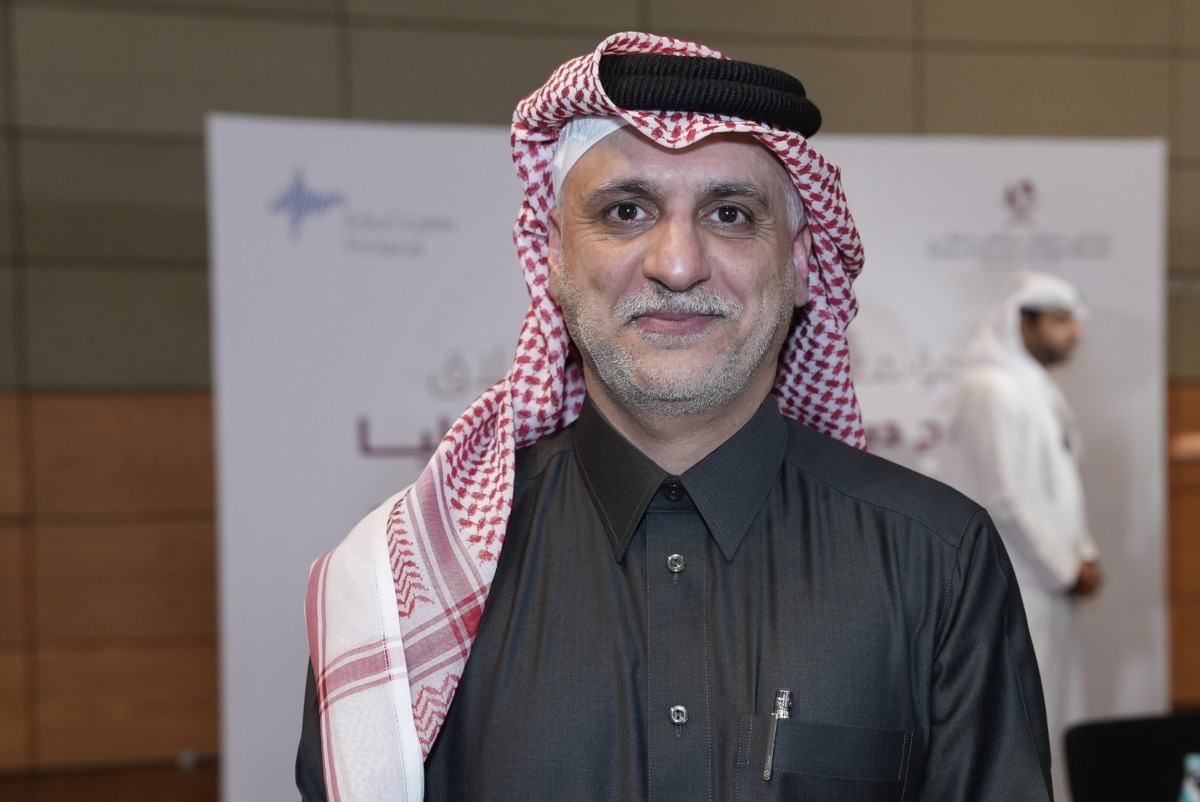

Community College of Qatar (CCQ) is poised for expansion, adding new academic programs designed to meet evolving national needs and workforce demands. President of CCQ Dr. Khalid Mohamed Al-Horr recently announced that the college’s board has approved several new offerings, with a diploma in digital marketing expected to launch in the next academic year. This move underscores CCQ’s commitment to providing relevant educational pathways for Qatari students.
The expansion plans, revealed in an interview with The Peninsula, are driven by a dual framework focused on strategic foresight and responsive collaboration. CCQ aims to align its curriculum with Qatar National Vision 2030 and broader economic diversification goals.
Responding to Qatar’s Shifting Educational Landscape
CCQ’s approach to program development differs from traditional universities by emphasizing a direct connection to the country’s present and future skill requirements. According to Dr. Al-Horr, the college utilizes both a “strategic framework” which anticipates future labor market needs and a “special needs framework” that directly addresses requests from government ministries and private sector employers. This ensures graduates possess the knowledge and abilities sought after by employers.
Strategic and Targeted Program Development
The strategic framework involves analyzing national development plans and industry trends to identify gaps in the available workforce. This proactive approach allows CCQ to design programs well in advance of critical demand. Meanwhile, the special needs framework allows for rapid response to specific requests, providing tailored training solutions.
Currently, approximately 25% of CCQ’s programs are developed through the special needs framework, while the remaining 75% are based on long-term strategic planning. This shows a clear prioritization of anticipating future needs, but also a demonstrated willingness to be flexible and responsive.
New Programs & Academic Divisions
While a diploma in digital marketing is the first program slated for launch in the next academic year, four additional programs have received board approval and will be rolled out gradually. The precise timing of these launches has not yet been announced. The introduction of these programs is designed to bolster skills development in key sectors.
CCQ’s academic structure is organized into three divisions: Science and Technology, Liberal Arts, and Management Sciences. The Science and Technology Division specifically concentrates on building national capacity in STEM fields, a vital component of Qatar’s National Vision 2030. The Liberal Arts Division provides foundational knowledge in humanities, social sciences, and Islamic studies, while the Management Sciences Division collaborates closely with Qatar’s business community. This collaborative approach supports the development of industry-relevant curricula.
Additionally, the college invests in foundational skills through its Foundation Programme and Foreign Languages Division. These support units prepare students for academic rigor and enhance their language proficiency, particularly in English, to facilitate success in higher education and the professional world. This commitment to comprehensive student support is crucial for diversifying access to higher learning.
Implications for Workforce Development
The expansion of CCQ’s programs has significant implications for Qatar’s ongoing workforce development initiatives. By offering programs aligned with national priorities, such as digital skills and STEM expertise, CCQ contributes to a more skilled and adaptable labor force. The Ministry of Public Health, among other organizations, could benefit from specialized training offered through these new initiatives.
This strategy also supports students seeking to transfer to four-year universities, providing a valuable stepping stone for higher education. The new programs will further enhance the college’s ability to contribute to Qatar’s educational goals. The Ministry of Education and Higher Education recognizes the importance of accessible and relevant post-secondary education.
Looking ahead, the release of detailed program specifications and launch dates will be key. Stakeholders will also be watching to see how CCQ continues to manage the balance between proactively designed strategic programs and responsive, industry-requested offerings. Further announcements regarding the remaining four approved programs are anticipated in the coming months.