


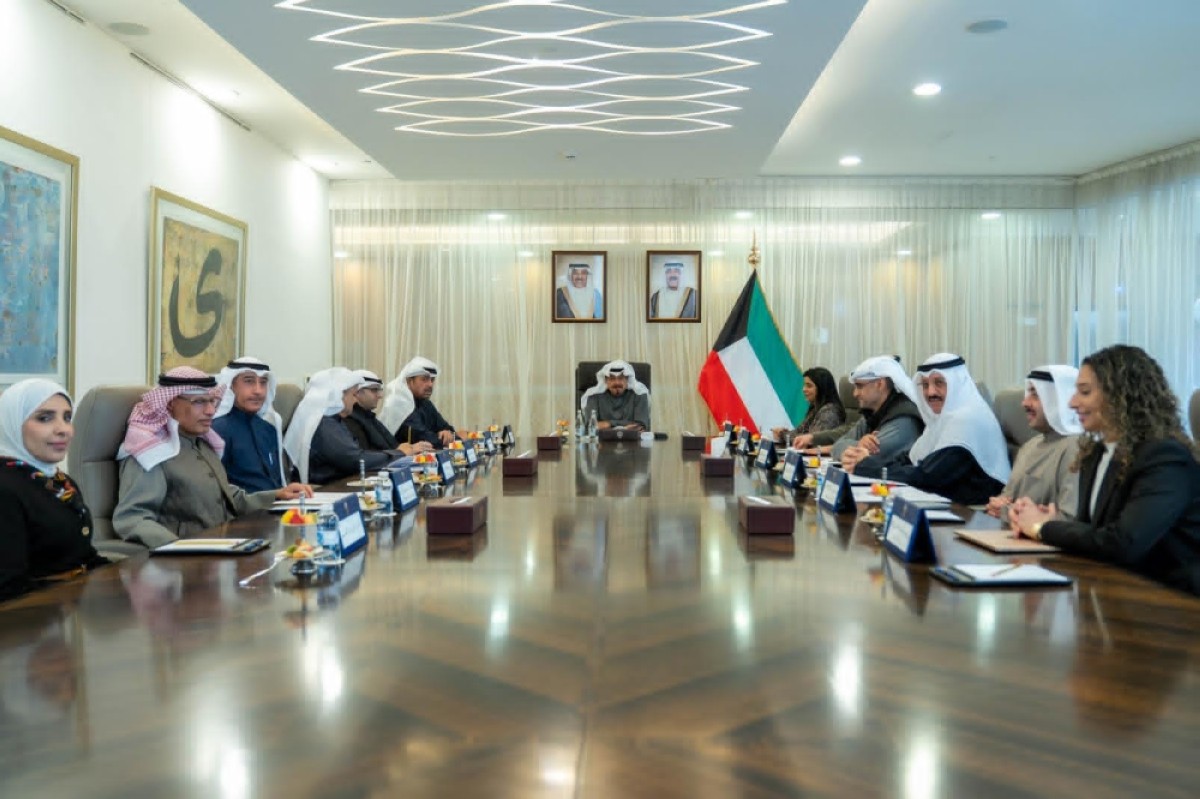

Kuwait is actively working to streamline its public procurement system to accelerate the delivery of vital development projects. A recent ministerial committee meeting, chaired by His Highness the Prime Minister Sheikh Ahmad Al-Abdullah Al-Ahmad Al-Sabah, highlighted ongoing reforms designed to improve efficiency, accountability, and oversight in government contracting. These changes are crucial for Kuwait’s ambitious plans for infrastructure and economic diversification, aiming to bring projects to fruition more swiftly and effectively.
Kuwait Prioritizes Public Procurement Reform for Faster Project Delivery
The meeting, the 44th of its kind, underscored the government’s commitment to overcoming obstacles hindering the implementation of major initiatives. His Highness the Prime Minister emphasized the need for a practical, priority-driven approach, coupled with enhanced coordination between ministries and government agencies. This focus is directly linked to the national vision spearheaded by His Highness the Amir Sheikh Meshal Al-Ahmad Al-Jaber Al-Sabah, which prioritizes sustainable development and economic growth.
The core of the discussion revolved around strengthening the entire lifecycle of government contracts, from initial tendering to final operation and maintenance. This holistic view acknowledges that delays can occur at any stage, and requires a comprehensive solution. The aim is to ensure a smoother transition from project design to tangible results, benefiting Kuwaiti citizens and the economy as a whole.
Strengthening Oversight and Efficiency
Essam Dawood Al-Marzouq, Chairman of the Central Agency for Public Tenders, presented a series of initiatives focused on bolstering oversight throughout the public procurement system. These include standardizing technical specifications for projects, a move designed to reduce ambiguity and ensure consistent quality.
Furthermore, the agency is working to expedite tender procedures, cutting down on bureaucratic delays that have historically plagued project timelines. Adopting modern, technologically advanced systems is also a key component of the reform, promising to enhance the overall quality and efficiency of project execution. This modernization will likely involve digitalizing processes and improving data management.
Facilitating International Agreements and Boosting Local Content
A significant benefit of these reforms is their potential to facilitate the implementation of agreements and memoranda of understanding (MoUs) signed between Kuwait and other nations. Sameeh Jawhar Hayat, Assistant Foreign Minister for Asian Affairs, explained that streamlining the government contracting process will ensure these international collaborations translate into concrete development initiatives.
The committee also revisited proposals initially presented in October 2023, focusing on prioritizing local products and services where feasible. This push for local content aims to stimulate the domestic economy and support Kuwaiti businesses. However, officials stressed that this prioritization would be implemented without violating existing regional trade agreements, ensuring compliance with international obligations.
Another key proposal involves extending contract penalties to company founders in cases of non-performance. This measure is intended to increase accountability and incentivize contractors to deliver projects on time and to the required standards. This is a strong signal that Kuwait is serious about holding contractors responsible for their commitments.
Key Projects Under Review & Future Timelines
The ministerial committee reviewed progress on a diverse portfolio of crucial infrastructure and development projects. These included:
- Mubarak Al-Kabeer Port: A vital component of Kuwait’s trade infrastructure.
- National Electricity Network: Essential for ensuring a reliable power supply.
- Renewable Energy Initiatives: Supporting Kuwait’s commitment to sustainability.
- Low-Carbon Waste Recycling: Addressing environmental concerns and promoting a circular economy.
- Housing and Urban Development: Meeting the growing needs of the population.
- Environmental Infrastructure: Protecting Kuwait’s natural resources.
- Free and Economic Zones: Attracting foreign investment and diversifying the economy.
- Desertification Control: Combating land degradation and preserving arable land.
Sheikh Ahmad reiterated that these projects remain a top national priority, demanding focused attention and efficient execution. He emphasized the importance of consistently monitoring performance indicators and adhering to established project timelines.
Al-Marzouq indicated that further details regarding the implementation of the reforms would be presented to the Cabinet in October 2024. This timeline suggests a continued momentum towards improving the procurement process and unlocking the potential of Kuwait’s development agenda. The focus on clear timelines and accountability measures is a positive step towards ensuring the successful delivery of these projects.
Conclusion: A New Era for Kuwaiti Development
The recent ministerial committee meeting signals a significant push for reform within Kuwait’s public procurement system. By prioritizing efficiency, accountability, and coordination, the government aims to accelerate the implementation of key development projects and realize the ambitious vision of His Highness the Amir.
These changes are not merely procedural; they represent a fundamental shift towards a more proactive and results-oriented approach to government contracting. The emphasis on local content, coupled with adherence to international standards, positions Kuwait for sustainable economic growth.
To learn more about Kuwait’s economic development plans and infrastructure projects, explore resources on the Kuwait Investment Authority website and stay updated on news from the Central Agency for Public Tenders. The success of these reforms will be crucial for Kuwait’s future prosperity, and continued monitoring of their implementation is highly recommended.