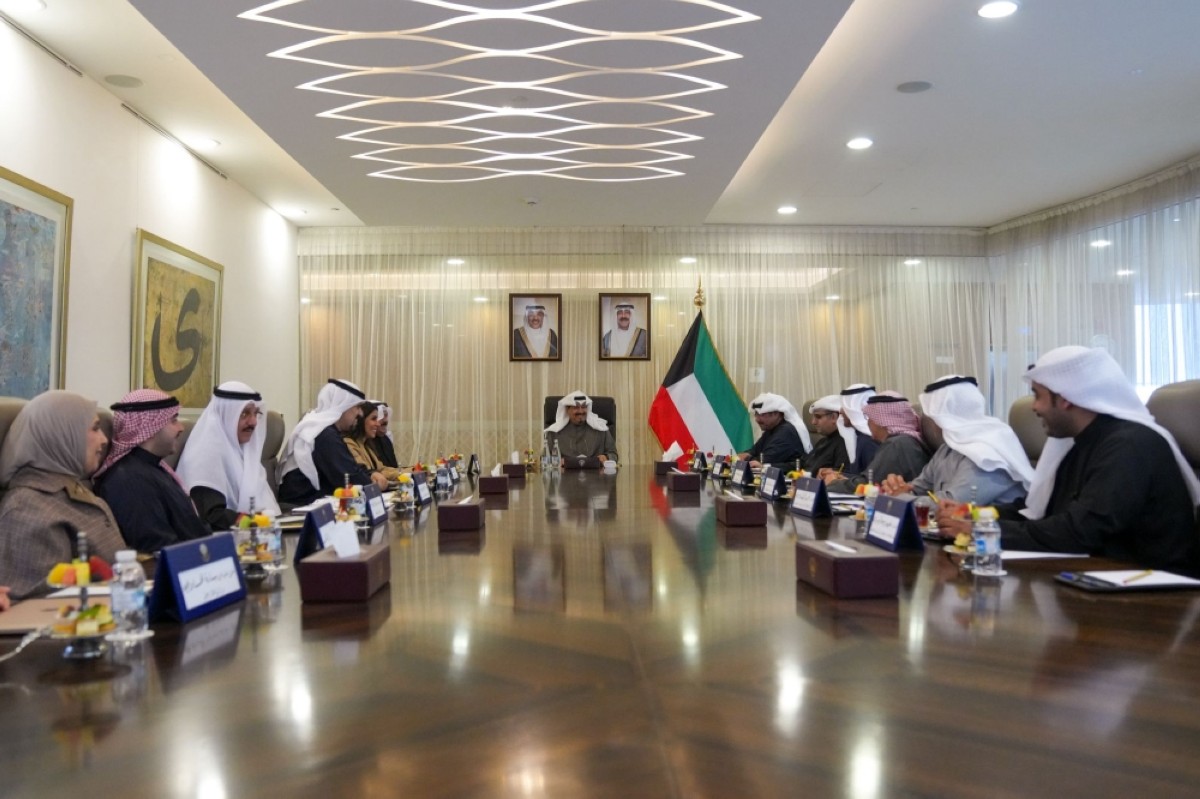

Kuwait is actively pushing forward with its ambitious development agenda, focused on diversification and sustainability. Recent reports highlight the ongoing commitment of the nation’s leadership to modernize infrastructure, bolster the economy, and improve the quality of life for its citizens. His Highness the Prime Minister Sheikh Ahmad Al-Abdullah Al-Ahmad Al-Sabah recently chaired the 42nd meeting of the ministerial committee overseeing the implementation of these crucial development projects in Kuwait, demonstrating the high priority given to their successful execution.
Prime Minister Reviews Progress on Key National Initiatives
The meeting, held at the Bayan Palace, served as a critical platform for reviewing the latest reports from various government agencies involved in Kuwait’s primary infrastructure and economic initiatives. This demonstrated a commitment to proactive monitoring and addressing potential roadblocks in real-time. The Prime Minister’s direct involvement underscores the importance of these projects to Kuwait’s future.
Focus Areas of the Ministerial Review
Several key sectors came under particularly close scrutiny during the meeting. These included:
- Mubarak Al-Kabeer Port: Discussion revolved around timelines and operational readiness for this strategically important facility, poised to become a major regional trade hub. Accelerating its completion remains a key objective.
- Electricity & Power and Renewable Energy: With increasing demand and a global shift towards sustainability, the committee examined progress on strengthening the electricity grid and expanding renewable energy sources within Kuwait’s energy mix. The ambition to create a low-carbon system for waste recycling was also a focal point.
- Housing Development: Addressing the needs of Kuwaiti citizens for suitable housing remains a top priority. The meeting assessed the progress of various housing projects and explored ways to expedite their delivery.
- Infrastructure & Environment: Improvements to wastewater treatment infrastructure and dedicated efforts to combat desertification in Kuwait were also discussed, solidifying the commitment to sustainable environmental practices.
- Economic Diversification: The committee zoomed in on development within free zones and economic zones, critical components of Kuwait’s strategy to reduce reliance on oil and foster private sector growth.
Commitment to Sustainable Development and Strategic Partnerships
His Highness the Prime Minister emphasized the necessity for a collaborative approach amongst committee members, urging continued joint efforts to overcome any obstacles hindering project completion. He specifically stressed the importance of clear strategies and methodologies to ensure the efficient execution of previously agreed-upon plans.
This direction is firmly aligned with the overarching vision of His Highness the Amir Sheikh Meshal Al-Ahmad Al-Jaber Al-Sabah, who has consistently championed comprehensive and sustainable development in Kuwait across all sectors. The Amir’s continued support serves as a powerful motivating force for accelerating progress.
Beyond internal coordination, the meeting also addressed the potential for increased international collaboration. Discussions centered on forging new strategic partnerships with various countries to bolster economic, trade, and investment ties – designed to be mutually beneficial and contribute to Kuwait’s long-term strategic objectives. This proactive approach to foreign relations is vital for accessing new technologies, expertise, and investment opportunities.
Expanding the Scope with New Projects & Investment
The committee didn’t solely focus on existing undertakings. Ambassador Sameeh Jawhar Hayat, the Assistant Foreign Minister for Asian Affairs and committee rapporteur, highlighted the review of initiatives aimed at launching new major development projects. This demonstrates a forward-looking perspective, ensuring a pipeline of projects to support continued growth and development.
The Kuwait Direct Investment Promotion Authority (KDIPA), represented by Sheikh Dr Meshaal Jaber Al-Ahmad Al-Sabah, likely played a role in discussing strategies to attract foreign direct investment to these new ventures, further fueling economic diversification. The Fatwa and Legislation Department, represented by Counselor Salah Ateeq Al-Majed, presumably provided counsel on the legal frameworks supporting these investments and projects.
Looking Ahead: Continued Momentum in Kuwait’s Development Journey
The 42nd meeting of the ministerial committee represents another significant step in Kuwait’s ongoing journey towards modernization and sustainable growth. The focus on overcoming obstacles, streamlining implementation, and fostering strategic relationships is essential to realizing the nation’s ambitious vision. The commitment reiterated by both the Prime Minister and the Amir promises continued momentum in the execution of these vital development projects in Kuwait.
Moving forward, transparent communication with the public regarding project timelines and progress will be crucial for building trust and ensuring broad support for these initiatives. Furthermore, a continued emphasis on attracting foreign investment and technological expertise will be key to unlocking Kuwait’s full potential and securing its position as a thriving regional hub.
This commitment to progress is not just about building infrastructure; it’s about building a brighter future for all Kuwaitis.
Attendees of the meeting included: Abdulaziz Al-Dakheel (Head of the Prime Minister’s Diwan), Sheikh Abdullah Ali Abdullah Al-Salem Al-Sabah (Defense Minister), Dr Noura Al-Mashaan (Minister of Public Works), Abdullatif Al-Meshari (Minister of State for Municipal Affairs and Minister of State for Housing Affairs), Sheikh Dr Meshaal Jaber Al-Ahmad Al-Sabah (Director General of KDIPA), Counselor Salah Ateeq Al-Majed (Head of the Fatwa and Legislation Department), Dr Adel Mohammed Al-Zamel (Undersecretary of the Ministry of Electricity, Water and Renewable Energy), and Ambassador Sameeh Jawhar Hayat.