
The Kuwaiti food truck scene is undergoing significant changes as the Ministry of Commerce and Industry (MOCI) implements a new regulatory framework. This includes the cancellation of over 1,100 licenses and a move to limit operations to just five designated sites, signaling a crackdown on inactive operators and a push for a more sustainable food truck Kuwait industry. The changes aim to level the playing field for legitimate businesses and improve the overall quality of service.
Sweeping Changes for Kuwait’s Food Truck Sector
The MOCI’s recent actions represent a comprehensive overhaul of the regulations governing mobile food vendors. Minister Khalifa Al-Ajeel announced the cancellation of 1,100+ licenses following a review that identified inactive accounts, expired permits, and non-compliance with existing rules. This isn’t simply about removing operators; it’s about restructuring the sector to foster growth and fairness.
The ministry describes this as an “integrated plan” focused on cleaning up commercial records, opening opportunities for eligible entrepreneurs, and reinforcing discipline within the industry. This initiative directly addresses concerns about unfair competition and the proliferation of unlicensed or improperly operated mobile food vendors.
Addressing Inactivity and Non-Compliance
The large number of cancelled licenses highlights a significant issue: a substantial portion of previously authorized food trucks were not actively contributing to the market. Expired licenses and failure to meet regulatory requirements were also key factors in the MOCI’s decision.
This cleanup is intended to redirect resources and opportunities towards serious business owners who are committed to operating legally and providing quality service. The ministry is prioritizing the protection of compliant businesses, making it clear that it will not tolerate practices that undermine their success.
New Regulations and Designated Locations
A key component of the new framework is the limitation of food truck operations to just five designated locations, starting in January 2026. While the specific locations haven’t been announced yet, the MOCI assures that they will be geographically distributed across Kuwait to ensure fair access and easier oversight.
This move is designed to improve the management and regulation of the sector. Concentrating food trucks in specific areas will allow for more effective monitoring and enforcement of regulations, ultimately benefiting both operators and consumers. This also supports better urban planning and avoids the haphazard placement of street food Kuwait vendors.
Increased Monitoring and Enforcement
The MOCI is not only cancelling inactive licenses but also implementing stricter monitoring measures to prevent future violations. Minister Al-Ajeel emphasized a “zero tolerance” policy for anyone attempting to circumvent the law or misuse licenses.
He stated that anyone found in violation will face “clear and strict procedures, without leniency.” This commitment to enforcement signals a serious intent to maintain the integrity of the food truck sector and protect legitimate businesses. The ministry is actively working to detect fraud and ensure that licenses are used responsibly.
Supporting Entrepreneurs and Fair Competition
The overarching goal of these changes is to create a more sustainable and equitable business environment for food truck entrepreneurs. The MOCI recognizes the potential of the sector to contribute to the Kuwaiti economy and is committed to supporting those who operate within the legal framework.
Additionally, the ministry’s actions are driven by a desire to improve service quality and ensure better utilization of allocated spaces. By streamlining operations and focusing on compliance, the MOCI hopes to elevate the overall experience for both food truck owners and customers. This includes promoting a more professional image for the food truck business in Kuwait.
Collaboration Between Ministries
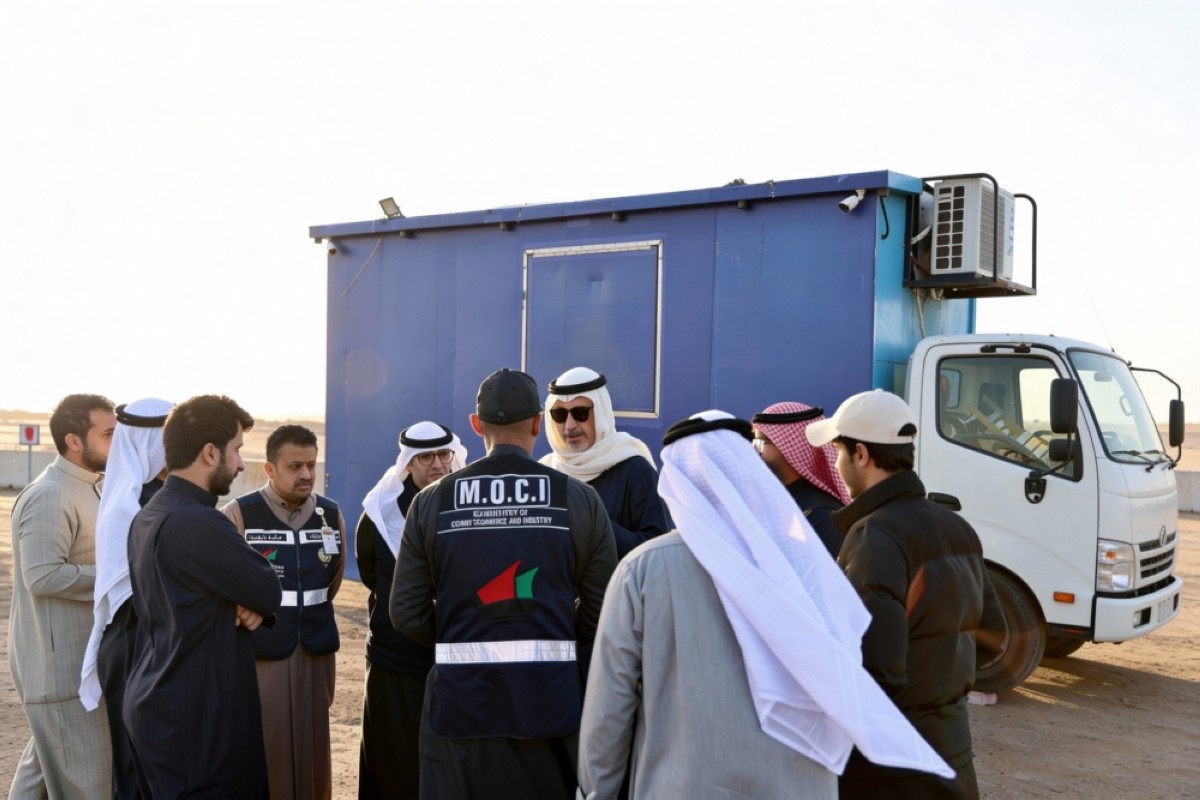
The initiative demonstrates strong inter-ministerial collaboration. Minister Al-Ajeel was accompanied during a field visit to potential sites by Minister of State for Municipal Affairs and Minister of State for Housing Affairs Abdullatif Al-Meshari and Minister of Public Works Dr. Noura Al-Mashaan. This unified approach underscores the government’s commitment to the success of the new regulations.
In conclusion, the Ministry of Commerce and Industry’s recent actions represent a significant turning point for the food truck industry in Kuwait. The cancellation of over 1,100 licenses, coupled with the implementation of stricter regulations and designated locations, aims to create a more fair, sustainable, and high-quality sector. While the changes may present challenges for some, they ultimately prioritize supporting legitimate entrepreneurs and ensuring a thriving food truck Kuwait ecosystem for years to come. Interested parties are encouraged to stay updated on the official announcements regarding the specific locations of the five designated sites and any further regulatory details released by the MOCI.