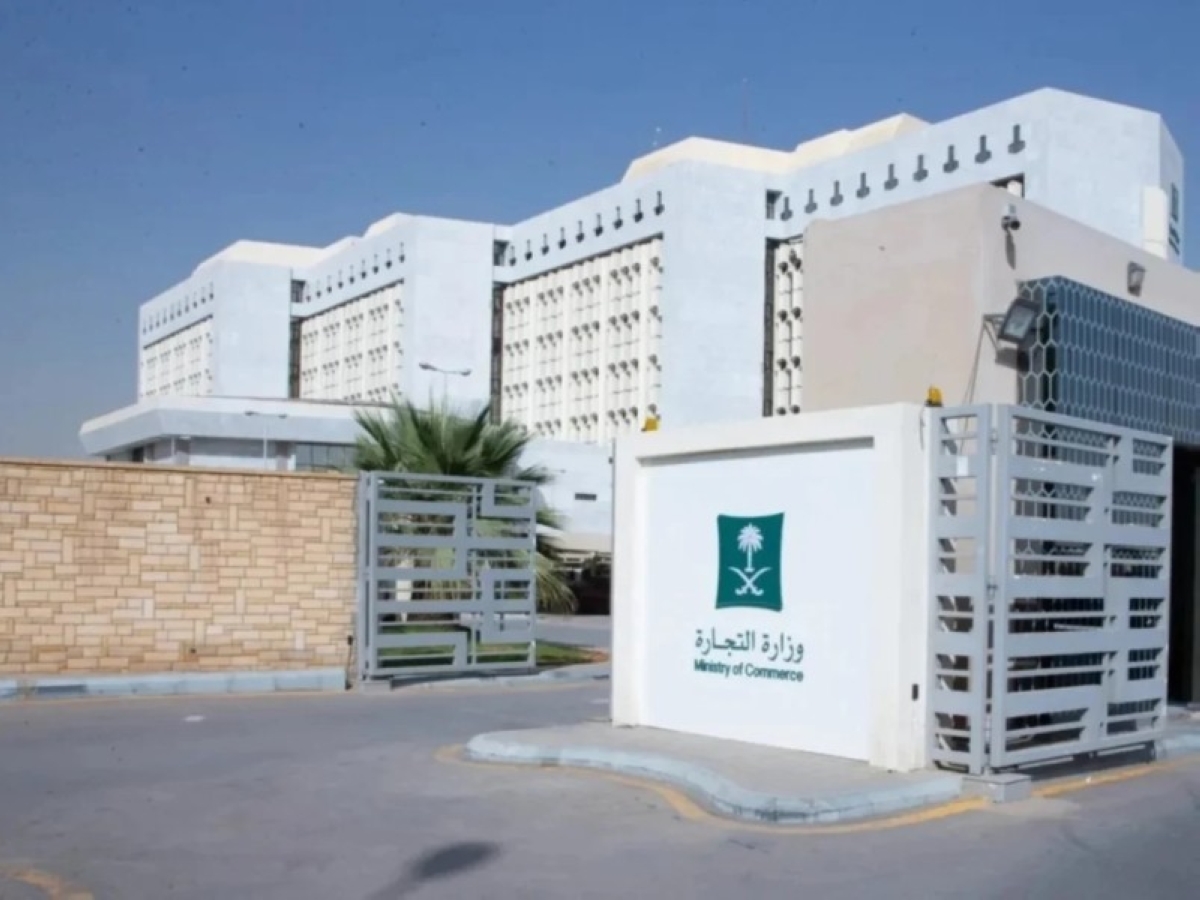

RIYADH — The Saudi Ministry of Commerce reported a significant increase in the effectiveness of its product safety initiatives in 2025, successfully completing 173 product recall campaigns. These campaigns led to the removal of nearly 413,000 potentially hazardous items from the market, including a substantial number of vehicles and household goods. The Ministry’s efforts underscore a growing commitment to consumer protection within the Kingdom.
The 173 campaigns, executed through the Ministry’s Defective Products Recall Center, resulted in the recall of 284,000 vehicles and over 129,000 non-automotive products. This represents a 13 percent improvement in the response rate to recall notices compared to the previous year, according to the Ministry. The data highlights a strengthening collaboration between the government and manufacturers in addressing safety concerns.
Increased Focus on Product Recall Efficiency
The Ministry of Commerce’s heightened activity in product recall operations reflects a broader trend toward stricter quality control and consumer safety standards in Saudi Arabia. This increased scrutiny is driven by both domestic demand for safer products and alignment with international best practices. The success of the 2025 campaigns demonstrates the effectiveness of the Defective Products Recall Center as a central coordinating body.
Key Product Categories Affected
Among the recalled items, electrical appliances constituted the largest category, with 88,500 units removed from circulation. This suggests potential issues with manufacturing quality or design in this sector. Household appliances followed with 6,000 recalled, and a notable 4,800 solar panels were also subject to recall, indicating emerging concerns within the renewable energy market.
The Ministry did not specify the exact nature of the defects prompting these recalls, but generally, recalls are initiated due to safety hazards that could cause injury or property damage. These hazards can range from fire risks in electrical appliances to structural failures in vehicles. The Ministry emphasizes that these actions are preventative measures to safeguard consumers.
The automotive recalls, totaling 284,000 vehicles, likely involved a variety of issues, potentially including faulty airbags, braking systems, or engine components. Vehicle recalls often stem from defects identified by manufacturers during testing or reported by consumers after purchase. These recalls are frequently coordinated with international automotive safety agencies.
The 13 percent increase in response rates to recall campaigns is a crucial metric. It indicates that consumers are becoming more aware of recall notices and are more likely to take action to address potential safety issues with their products. This improved responsiveness is likely due to the Ministry’s ongoing public awareness campaigns and streamlined recall processes.
However, challenges remain in ensuring complete recall coverage. Reaching all affected consumers can be difficult, particularly for products with older registration data or those sold through informal channels. The Ministry continues to explore methods to improve communication and outreach, including leveraging digital platforms and collaborating with retailers.
The Ministry’s work in this area also supports the broader goals of Saudi Vision 2030, which prioritizes quality of life and economic diversification. By ensuring product safety, the government aims to build consumer confidence and foster a more sustainable and reliable marketplace. This is particularly important as the Kingdom attracts more foreign investment and expands its domestic manufacturing base.
The rise in recalled solar panels is a relatively new development and warrants further attention. As Saudi Arabia invests heavily in renewable energy sources, ensuring the quality and safety of these products is paramount. The Ministry’s proactive approach to identifying and addressing defects in solar panels could prevent potential long-term issues and maintain the integrity of the Kingdom’s energy infrastructure. This also aligns with the country’s commitment to sustainable development.
The Ministry’s Defective Products Recall Center plays a vital role in coordinating these efforts. It serves as a central point of contact for consumers, manufacturers, and regulatory agencies, facilitating the efficient and effective removal of defective products from the market. The Center also provides information and guidance to consumers on how to participate in recall campaigns and address any safety concerns.
Looking ahead, the Ministry of Commerce has indicated its intention to continue strengthening its product safety framework. This includes investing in advanced testing facilities, enhancing data collection and analysis capabilities, and fostering greater collaboration with international partners. The Ministry is expected to release a more detailed report on the 2025 recall campaigns in the coming months, providing further insights into the types of defects identified and the effectiveness of the implemented solutions. Monitoring future recall rates and the speed of response will be key indicators of the program’s ongoing success.
The Ministry will also likely focus on expanding its reach to smaller businesses and online marketplaces, where the risk of substandard or counterfeit products may be higher. Addressing these challenges will require a multi-faceted approach, including increased enforcement, consumer education, and the adoption of new technologies to detect and prevent the sale of unsafe goods. The long-term impact of these initiatives on consumer protection in Saudi Arabia remains to be seen.