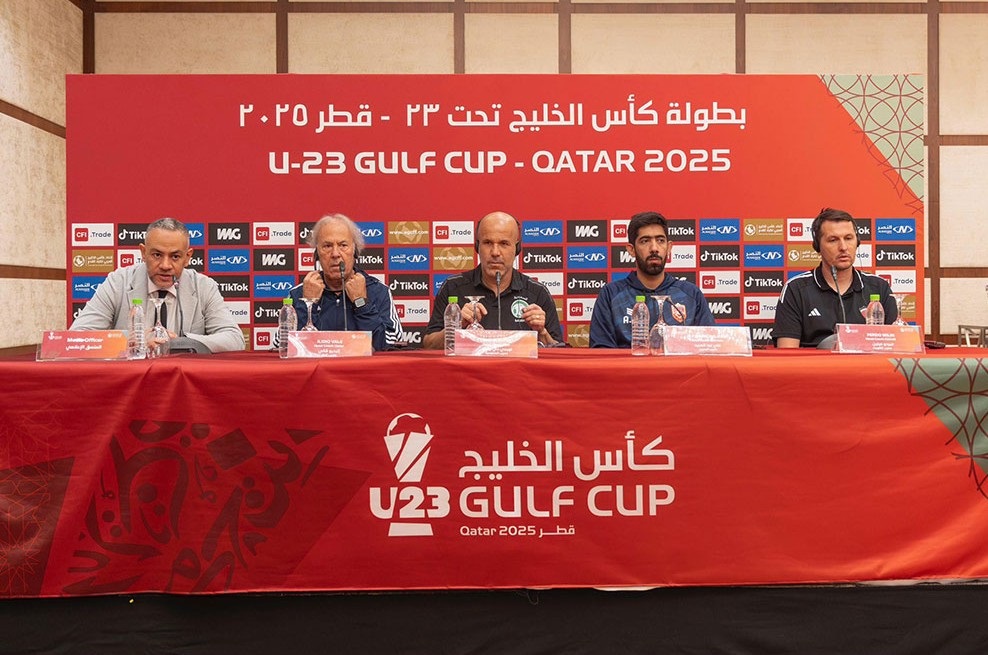

The U-23 Gulf Cup Qatar 2025 commenced today in Doha, bringing together eight national teams to compete in a tournament designed to develop young football talent and prepare players for future continental challenges. The competition, running until December 16th, will be held across Aspire Stadiums 1 and 2, culminating in the final at Stadium 974. Coaches from participating nations have emphasized the importance of the event as a crucial stepping stone for aspiring footballers.
The opening match featured Iraq against Yemen at the Aspire Zone, with hosts Qatar beginning their campaign tomorrow against Kuwait. This year’s tournament features a blend of established youth programs and emerging talent, all vying for regional supremacy and valuable experience.
The Significance of the U-23 Gulf Cup
The U-23 Gulf Cup serves a dual purpose: fostering regional competition and providing a developmental platform for players aiming to represent their nations at higher levels. According to statements made during a press conference, several coaches view the tournament as vital preparation for upcoming events, particularly the Asian Cup finals in Saudi Arabia next year. This focus on development is a key characteristic of the competition.
Preparing for the Asian Cup
Qatar’s head coach, Ilídio Vale, stated the tournament is a significant opportunity for his team to gain experience and refine their skills. Despite some key players being unavailable due to commitments with the senior national team, Vale expressed confidence in the squad’s ability to compete and potentially win the tournament. This highlights the importance of squad depth and player development within the Gulf region.
A Pathway to Professional Football
Italian coach Luigi Di Biagio of Saudi Arabia praised the organization of the event and the high level of competition. He noted that the tournament provides a crucial pathway for young players to demonstrate their abilities and potentially earn opportunities with their respective first teams. This pathway is a significant draw for players and a key benefit of the competition.
Group Dynamics and Key Contenders
The eight participating teams are divided into two groups. Group A consists of Qatar, Saudi Arabia, Bahrain, and Kuwait, while Group B features Iraq, UAE, Oman, and Yemen. The top two teams from each group will advance to the semi-finals, setting the stage for a competitive knockout stage.
Croatian coach Verdo Milin of Kuwait emphasized the challenges of opening matches and the importance of scouting young talent. He indicated his team’s focus is on building a promising future and identifying outstanding players. This scouting aspect adds another layer of strategic importance to the tournament.
Several teams are considered strong contenders. Qatar, as the host nation, will benefit from home advantage and a motivated squad. Saudi Arabia, with a strong youth program, is also expected to perform well. Iraq and the UAE, both with established footballing traditions, are also likely to be competitive. The presence of these strong teams ensures a high level of competition throughout the tournament.
Additionally, the tournament provides a valuable opportunity for regional football federations to assess the progress of their youth development programs. The performance of players in the U-23 Gulf Cup will likely influence future investment and strategic planning within these federations. This broader impact extends beyond the immediate competition.
The tournament also offers a showcase for emerging Gulf football talent, potentially attracting the attention of international scouts and clubs. This exposure could lead to opportunities for players to further their careers abroad, contributing to the overall growth of the sport in the region.
Looking ahead, the semi-finals are scheduled for December 14th, with the final taking place on December 16th at Stadium 974. The outcome of the group stages will determine the matchups, and the level of competition is expected to intensify as teams vie for the championship title. The performance of individual players and the tactical approaches employed by each team will be key factors to watch in the coming days.