


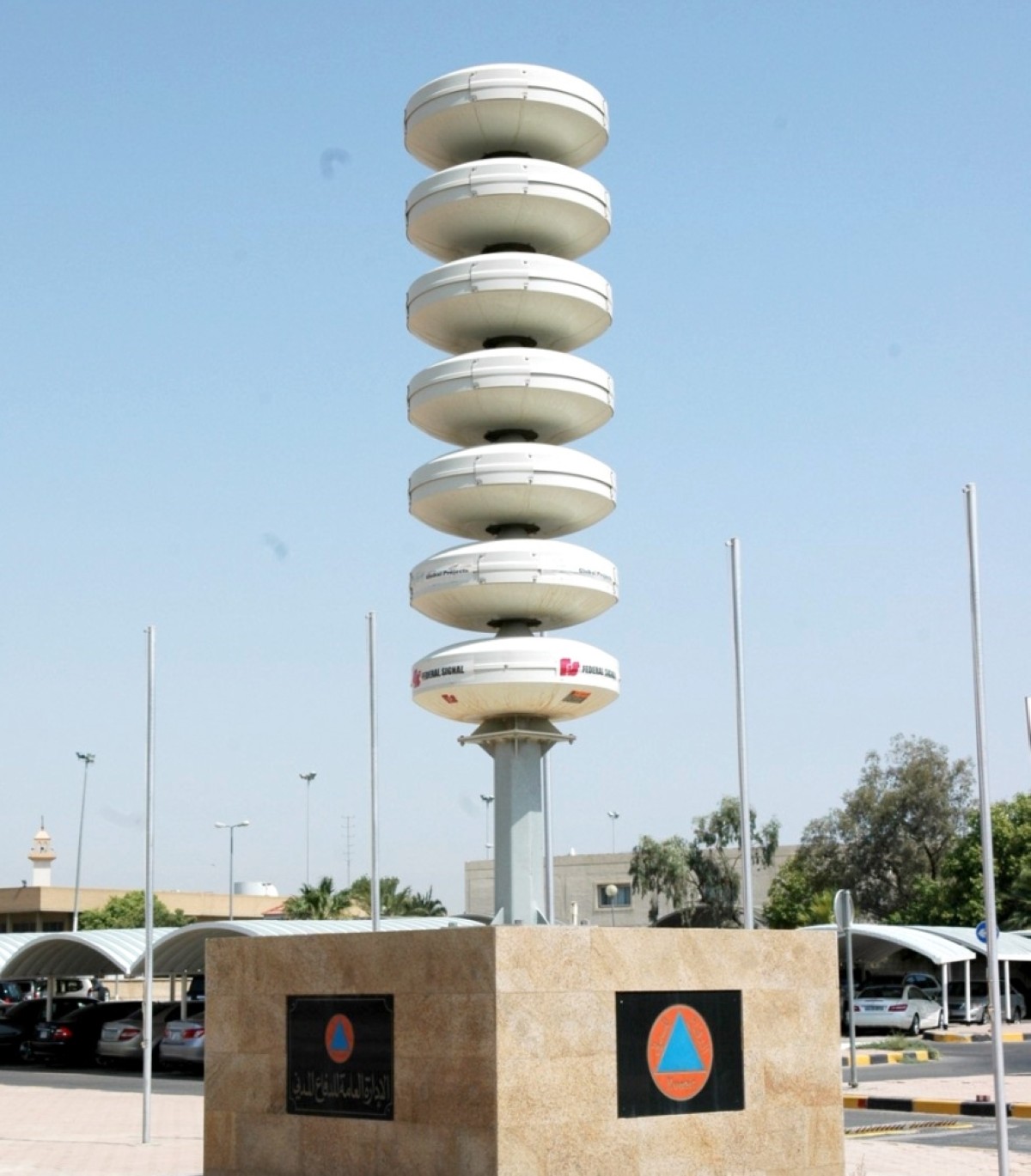

Kuwait is proactively enhancing its national safety infrastructure with a new, scheduled testing regime for its early warning siren system. This initiative, announced by the General Department of Civil Defense, aims to improve emergency preparedness and ensure residents understand the critical signals that indicate potential danger. The move comes as officials also caution against the spread of misinformation, particularly through social media, during these routine drills and any potential real-world events.
Understanding Kuwait’s New Siren Testing Schedule
Starting this month, Kuwait will conduct monthly tests of its nationwide early warning system on the first day of each month at 10:00 AM. Col. Turki Nasser Al-Hajri, Acting Director of Operations at the General Department of Civil Defense, emphasized that these tests are “mock drills only” designed to verify the system’s functionality and familiarize the public with the siren sounds.
The decision to implement a fixed schedule is a deliberate effort to reduce public anxiety. By making the tests predictable, residents will be able to distinguish between a drill and a genuine emergency, preventing unnecessary panic. The next scheduled test is set for January 29th at 10:00 AM.
Decoding the Siren Tones: A Guide to Emergency Signals
Kuwait’s early warning system utilizes three distinct tones, each communicating a specific stage of an emergency. Understanding these signals is crucial for effective disaster response.
- Intermittent Tone: This indicates imminent danger. It’s a signal to prepare for potential impact.
- Wave-like Tone: This signifies that the event or danger is currently occurring. Immediate action is required.
- Continuous Tone: This announces that the danger has passed, signaling the all-clear.
These tones are designed to be easily recognizable across all of Kuwait’s governorates, and the system undergoes regular inspections to guarantee its operational readiness. The system is operated 24/7 by a dedicated team of Kuwaiti nationals, including police officers, engineers, and technical specialists.
Staying Informed: Official Channels and the Sahel App
To ensure widespread awareness, the Ministry of Interior will proactively disseminate notifications through the government’s Sahel application. These alerts will also be shared via official television, radio, and social media platforms, with specific outreach efforts targeting non-Arabic-speaking communities.
Col. Al-Hajri strongly urged residents to rely solely on official sources for information, warning against the dangers of spreading or believing rumors, especially on social media. “We advise everyone not to follow rumours and to take information only from official media sources,” he stated. The Civil Defense operations room is available 24 hours a day to address public inquiries and receive reports related to the system. This commitment to transparency and accessibility is a key component of Kuwait’s public safety strategy.
What to Do During a Real Emergency: A Step-by-Step Guide
Beyond understanding the siren tones, knowing how to react during a real emergency is paramount. Kuwait’s Civil Defense has provided clear guidance for residents, tailored to different scenarios.
If You Hear the Intermittent Tone (Danger Approaching)
- Remain calm and composed.
- Turn off gas and electricity supplies.
- Move flammable materials to a secure location.
- Avoid elevators; use emergency exits and stairwells.
- Seek shelter in a basement, shelter, or safe room.
- Follow instructions from official media outlets.
If You Hear the Wave-like Tone (Danger Occurring)
- Once in a safe area, turn off all lights.
- Stay away from doors and windows.
- Use a flashlight if necessary to move around.
- Remain in the safe area and continue following Civil Defense instructions.
If You Hear the Continuous Tone (Danger Passed)
- Check on family members and others in your safe location.
- Avoid gathering near damaged areas.
- Continue to follow guidance from Civil Defense through official channels.
- Only call 112 in case of genuine emergencies.
Specific Guidance for Drivers and Pedestrians
For those driving, the advice is to proceed to the nearest safe location, keeping to the right side of the road to allow emergency vehicles passage. If an explosion occurs, stop immediately, turn off the engine, and seek shelter. Vehicles carrying flammable materials should move to a wide-open space before seeking shelter. Pedestrians in open areas should lie face down, covering their head and protecting their ears and eyes, and follow instructions from Civil Defense. Effective emergency management relies on coordinated action from all members of the community.
In conclusion, Kuwait’s proactive approach to emergency preparedness, through scheduled siren tests and clear public guidance, demonstrates a strong commitment to the safety and well-being of its residents. By understanding the siren tones, utilizing official information channels like the Sahel app, and following the provided instructions, individuals can significantly enhance their ability to respond effectively during a real emergency. Staying informed and prepared is the best defense against potential threats, and Kuwait’s Civil Defense is dedicated to equipping its citizens with the knowledge and tools they need to stay safe. Remember to rely on official sources and avoid spreading rumors – your informed actions can make a difference.