


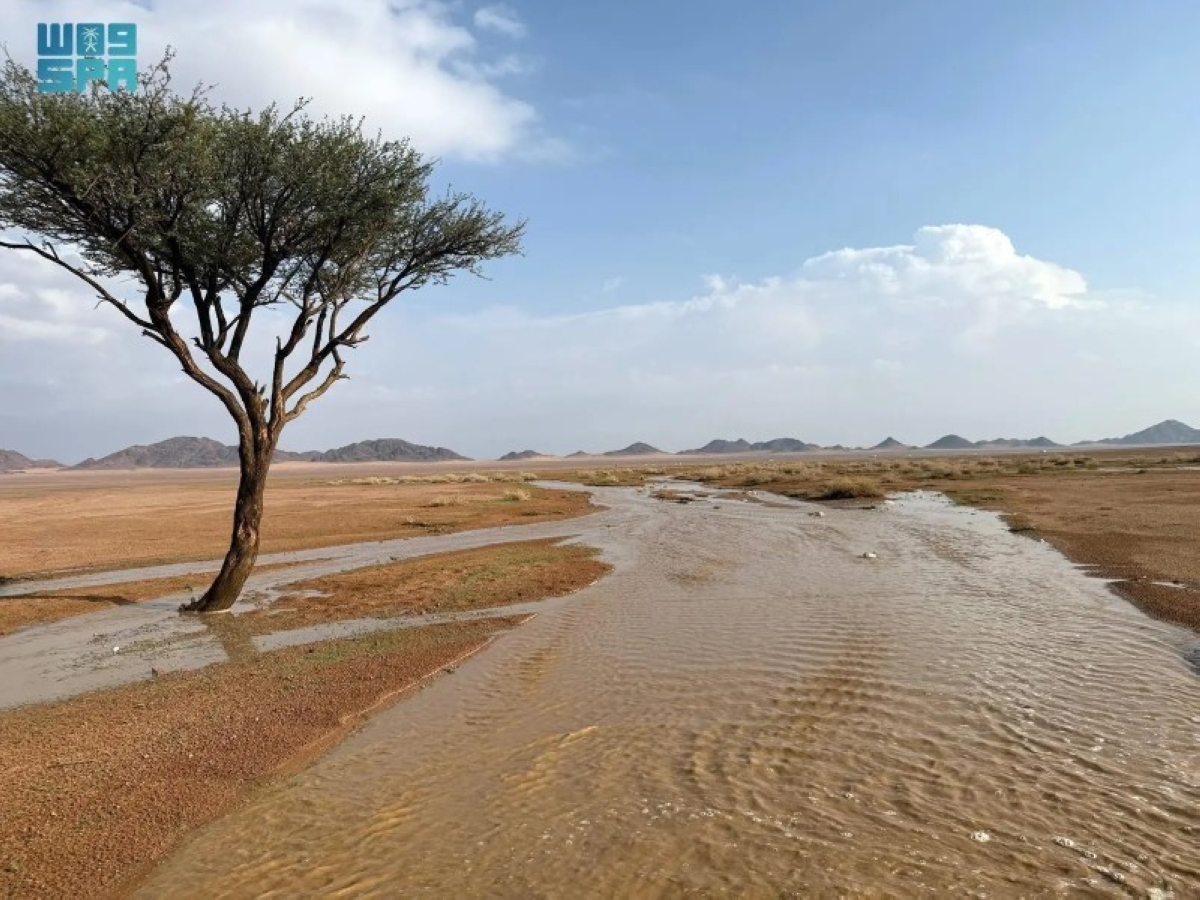

Saudi Arabia’s General Directorate of Civil Defense has issued a nationwide weather warning, urging residents to prepare for thunderstorms and potential flash floods across most regions of the country. The severe weather is forecast to impact areas from Sunday through Thursday, with particularly heavy rainfall expected in the western and central parts of the Kingdom. Authorities are emphasizing the need for caution and adherence to safety guidelines during this period of increased meteorological activity.
The alert covers a vast geographical area, including major cities like Riyadh, Jeddah, and Dammam, as well as numerous smaller towns and rural areas. The forecast indicates a high probability of heavy downpours, accompanied by hail and strong dust storms, which could disrupt daily life and pose risks to public safety. The Civil Defense is coordinating with other government agencies to monitor the situation and respond to any emergencies that may arise.
Understanding the Scope of the Thunderstorm Warning
The Makkah region is anticipated to experience the most significant impact, with moderate to heavy rain predicted for cities and governorates including Allith, Qunfudhah, Taif, and Jeddah. This rainfall carries a substantial risk of flash floods, particularly in valleys and low-lying areas. The potential for hail and reduced visibility due to dust storms also adds to the complexity of the weather situation.
Similarly, the Riyadh region is under a high-risk alert. Cities like Riyadh, Al-Quway’iyah, and Ad-Dawadmi are expected to receive considerable rainfall, increasing the likelihood of flash floods. The Civil Defense specifically advises against traveling through wadis (valleys) during and immediately after rainfall, as water levels can rise rapidly and unexpectedly. Flash floods are a major concern in arid regions like Saudi Arabia due to the terrain and infrequent but intense rainfall events.
Beyond these two key regions, the Eastern Province, Hail, Qassim, Al-Jouf, Northern Borders, Tabuk, Madinah, Al-Baha, Asir, and Jazan are all forecast to receive moderate to heavy rains and potential hail. The Najran region is expected to experience lighter, but still potentially disruptive, rainfall. This widespread impact necessitates a comprehensive national preparedness effort.
Safety Measures and Public Guidance
The General Directorate of Civil Defense has released a series of recommendations for the public to ensure their safety during the forecasted severe weather. These include staying indoors whenever possible, especially during periods of intense rainfall or dust storms. Individuals are also urged to secure loose objects that could be blown away by strong winds.
Additionally, the directorate advises people to avoid driving through flooded areas and to be particularly cautious when traveling near valleys. Monitoring official weather updates and adhering to instructions issued by authorities through various media channels is crucial. The Civil Defense encourages citizens to report any weather-related emergencies to their emergency hotline.
The Ministry of Environment, Water and Agriculture has also been working to clear wadis and drainage systems in preparation for the expected rainfall. This proactive measure aims to mitigate the risk of flooding in urban areas and protect infrastructure. However, even with these preparations, the potential for disruption remains high.
The Meteorological Context and Potential Impacts
The current weather pattern is attributed to a convergence of atmospheric systems bringing increased moisture and instability to the region. This is not an uncommon occurrence during the transition between seasons in Saudi Arabia, but the intensity of the forecast suggests a potentially significant event. The Kingdom typically experiences limited rainfall, making even moderate storms capable of causing substantial flooding.
The predicted weather conditions could lead to disruptions in transportation, including road closures and flight delays. Power outages are also possible due to strong winds and lightning strikes. Businesses and schools may be forced to suspend operations, impacting economic activity and daily routines. The agricultural sector could also be affected, with potential damage to crops and livestock.
Furthermore, the dust storms associated with the thunderstorms can pose health risks, particularly for individuals with respiratory problems. Authorities recommend wearing masks and staying indoors during periods of high dust concentration. The impact on air quality is a significant concern, especially in densely populated urban areas. The potential for reduced visibility also increases the risk of traffic accidents.
The Saudi National Meteorological Center (NMC) continues to refine its forecasts and provide updates to the public. The NMC utilizes advanced weather modeling techniques and satellite data to track the movement of the storm systems and assess their potential impact. This information is then disseminated to the Civil Defense and other relevant agencies to facilitate effective emergency response planning. The use of early warning systems is vital in minimizing the risks associated with these types of events.
Looking ahead, the Civil Defense will maintain heightened vigilance throughout the forecast period. The effectiveness of the response will depend on the accuracy of the ongoing forecasts and the public’s adherence to safety guidelines. The situation remains dynamic, and further updates will be issued as the weather patterns evolve. It is crucial to monitor official channels for the latest information and heed any warnings or instructions issued by the authorities.