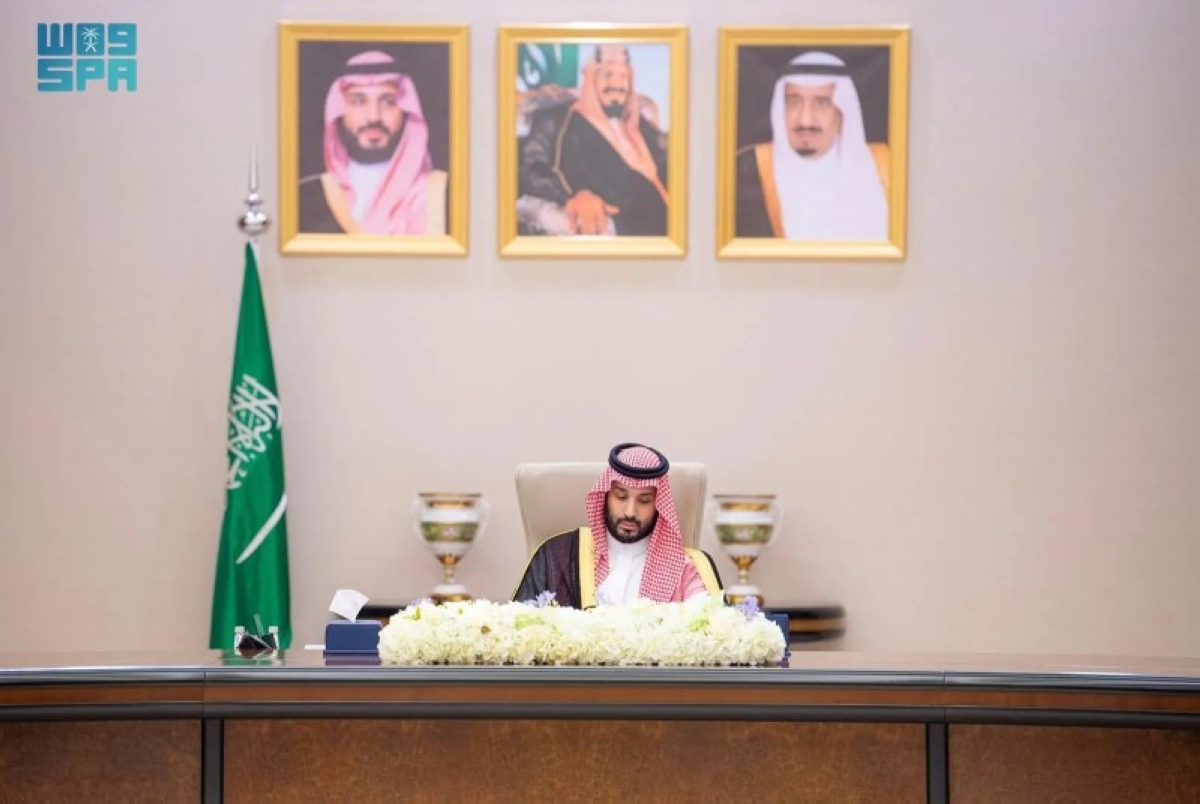

Saudi Arabia’s 2026 general budget prioritizes citizen welfare and continued economic diversification, Crown Prince Mohammed bin Salman announced following its approval by the Cabinet in Dammam on Tuesday. The budget reflects positive economic indicators and ongoing reforms aligned with the Kingdom’s Vision 2030, demonstrating a commitment to sustainable development and resilience against global economic challenges. Initial estimates project real GDP growth of 4.6 percent, driven largely by the non-oil sector, according to the Crown Prince’s statements.
Saudi Arabia’s 2026 Budget: A Focus on Economic Growth and Citizen Welfare
The Saudi Cabinet’s approval of the 2026 budget marks a key moment in the nation’s economic progression, signaling continued investment in its citizens and ongoing structural reforms. Prince Mohammed bin Salman attributed the Kingdom’s successes to the leadership of King Salman and the dedicated efforts of the Saudi people. This budget builds upon advancements made in several key areas, aiming for even greater economic stability and advancement.
Vision 2030 Enters a New Phase
According to the Crown Prince, 2026 will represent the beginning of the third phase of Vision 2030. This new phase requires intensified implementation and accelerated progress to ensure lasting impacts beyond the initial 2030 timeline. The core of this phase centers around the structural transformation already underway, which has demonstrably boosted non-oil activity and contained inflation.
The government intends to maintain flexible and disciplined fiscal policies, utilizing sovereign wealth funds strategically within a medium-term debt framework. This approach aims to support economic growth while preserving fiscal sustainability and buffering against external economic shocks. The emphasis is on the long-term health of the Saudi economy.
Empowering Saudi Nationals and Diversifying the Economy
A significant achievement highlighted was the unprecedented growth in employment of Saudi nationals within the private sector, reaching 2.5 million. This surge in employment contributed to a record low unemployment rate, surpassing the Vision 2030 goal of 7 percent. Initiatives supporting entrepreneurship and increasing women’s participation in the workforce have been crucial to this success.
Relatedly, homeownership among Saudi families has also risen substantially, reaching 65.4 percent by the end of 2024 and exceeding the 2025 target. This accomplishment illustrates the government’s dedication to improving the living standards of its citizens. Continued support for social assistance programs and investment opportunities remains a central tenet of the budget’s implementation.
The Public Investment Fund (PIF) is poised to play an even larger role in supporting Vision 2030 by fostering strategic sector development and securing international partnerships. The PIF’s activities, alongside those of the National Development Fund, are intended to supplement the state’s general budget and accelerate economic diversification. This reflects a broader strategy of reducing reliance on oil revenue.
Strengthening the Private Sector and Fiscal Discipline
Economic reforms have successfully increased the private sector’s contribution to the Kingdom’s real GDP, now standing at 50.3 percent. This illustrates a conscious effort to empower businesses and encourage private sector-led growth, a key component of Vision 2030. Alongside this, budget allocations will increasingly support infrastructure development and improvement of basic public services.
However, the Crown Prince stressed the importance of maintaining medium- and long-term spending efficiency and transparent budget execution. Adherence to fiscal sustainability will remain paramount, ensuring the completion of planned Vision 2030 projects without jeopardizing the nation’s financial stability. The government intends to carefully manage its resources to maximize impact.
The Kingdom, according to the Crown Prince, remains committed to investing in its citizens’ capabilities, pursuing comprehensive development, and solidifying its leadership position in various fields—including continuing its robust humanitarian work internationally. This commitment, he emphasized, is deeply rooted in Islamic principles and values. The sustainable economic development of the nation is a central goal.
Looking ahead, the focus will be on continuing the momentum of reforms and closely monitoring global economic conditions. The success of Vision 2030’s third phase will largely depend on the government’s ability to adapt to unforeseen challenges and maintain a disciplined approach to fiscal management. Further details regarding specific sector allocations within the 2026 budget are expected to be released in the coming weeks, offering a more granular understanding of the Kingdom’s economic priorities.