


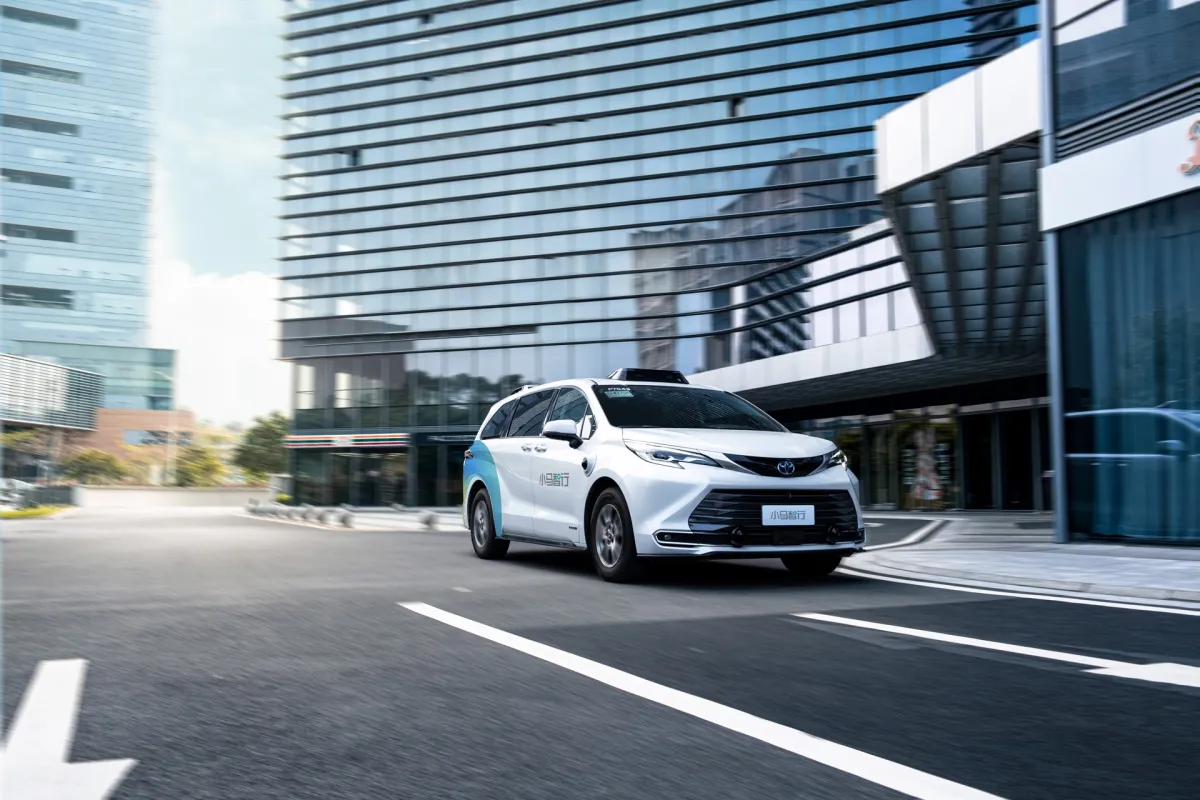

Chinese autonomous vehicle firm Pony.ai announced plans Tuesday to significantly expand its robotaxi service, aiming to triple its fleet size by the end of 2026. The company currently operates around 961 autonomous vehicles and expects to reach 3,000 units within the next two years. This aggressive growth strategy coincides with the company’s increasing commercial operations and international expansion efforts.
Pony.ai’s ambitious plan follows a third-quarter earnings report highlighting both revenue growth and continued financial losses. The company, listed on the Nasdaq and Hong Kong Stock Exchange, is deploying its robotaxis in major Chinese cities including Beijing, Shanghai, Guangzhou, and Shenzhen, alongside exploring opportunities in eight additional countries.
Pony.ai Accelerates Robotaxi Fleet Expansion
The move to triple the robotaxi fleet reflects a broader industry trend towards commercializing autonomous vehicle technology. While development has been rapid, profitability remains a key challenge for many companies in the space. Pony.ai is navigating those challenges by diversifying its revenue streams beyond passenger services.
Financial Performance and Investment
Pony.ai reported third-quarter revenue of $25.4 million, a 72% increase year-over-year. This growth is attributed to revenue from robotaxi services, its robotruck division, and licensing of its autonomous driving technology. Specifically, robotaxi services generated $6.7 million, robotrucks contributed $10.2 million, and licensing fees totaled $8.6 million, according to the company’s report.
However, Pony.ai’s expenses continue to outweigh revenue. The company recorded a net loss of $61.6 million in the third quarter, a 46% increase compared to the same period in 2023. This puts pressure on the company to maintain its cash reserves and secure further funding to support its expansion.
As of September 30, Pony.ai held $587.7 million in cash and equivalents, down from $747.7 million in the previous quarter. The company stated that a substantial portion of this decrease came from a one-time investment in its joint venture with Toyota, aimed at producing and deploying the Gen-7 autonomous vehicle platform.
International Expansion and Partnerships
Beyond China, Pony.ai is actively pursuing opportunities in international markets. The company is currently operating or developing projects in eight countries, including Qatar and Singapore. This expansion is largely being facilitated through strategic partnerships with local companies and established ride-hailing platforms like Bolt and Uber, bolstering its reach and operating knowledge.
These partnerships provide crucial local expertise, regulatory navigation support, and existing customer bases. Collaborating with global players in the transportation sector is seen as a critical pathway to scaling operations efficiently and overcoming regional barriers to entry for autonomous vehicles.
Challenges and Outlook for the Autonomous Vehicle Industry
While Pony.ai’s growth is notable, the broader autonomous vehicle industry faces considerable hurdles. Regulatory approvals, public perception of safety, and the high cost of technology remain significant obstacles. The company, along with its competitors, must demonstrate a consistent track record of safe and reliable operation to gain wider acceptance.
Furthermore, competition in the autonomous driving space is intensifying. Several companies, including Waymo and Cruise, are vying for dominance in the robotaxi market, leading to price pressure and increased investment in research and development to enhance technological capabilities.
The success of Pony.ai’s expansion plan hinges on its ability to overcome these challenges and continue generating revenue growth. Maintaining a strong financial position in the face of ongoing losses is also vital. Investors will be closely watching the company’s progress in achieving its fleet expansion goals and improving its financial performance over the next few quarters.
Looking ahead, Pony.ai anticipates continued growth in its robotaxi and robotruck businesses, as well as sustained demand for its technology licensing services. The company has not provided specific financial projections beyond its stated fleet expansion target, but indicated it will continue to invest heavily in research and development to maintain its competitive edge. The next key milestone will be the attainment of a 1,000-vehicle fleet by the end of this year, and continued monitoring of operating costs versus revenue generation will be crucial for assessing long-term viability.