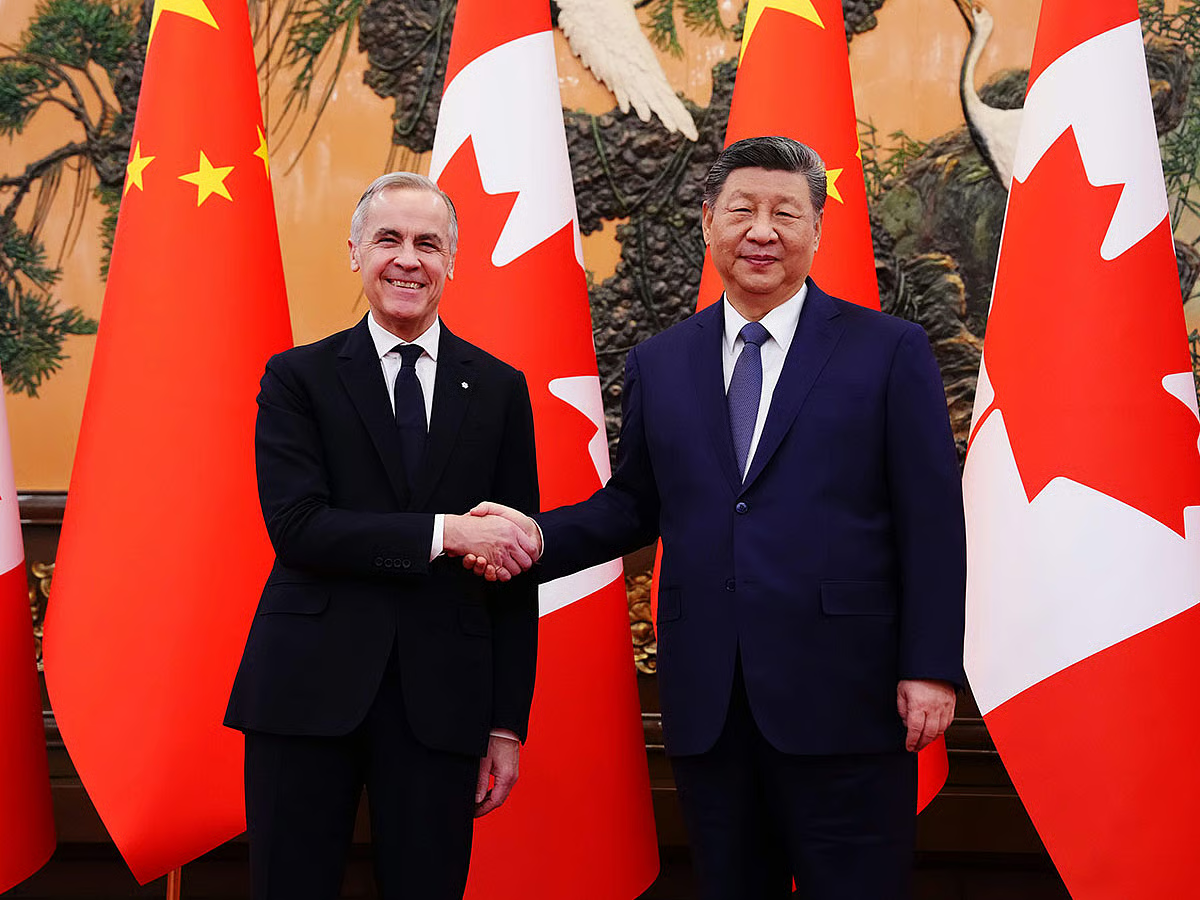

China and Canada have reached a significant agreement addressing long-standing trade disputes and visa issues, a deal described as “landmark” by officials from both nations. The agreement, finalized during a visit by Canadian Minister of International Trade Mary Ng to Beijing, focuses on resolving tariffs imposed on Canadian canola seed and meat products, as well as streamlining the visa application process for Chinese tourists traveling to Canada. The announcement comes after months of diplomatic efforts aimed at stabilizing the increasingly strained bilateral relationship.
The deal, announced on Thursday, April 25, 2024, seeks to end trade barriers that have hampered Canadian exports to China since 2019. Specifically, it addresses restrictions placed on Canadian canola and meat, reportedly in response to the arrest of Huawei executive Meng Wanzhou. The agreement also aims to boost tourism by easing visa requirements for Chinese citizens, a sector significantly impacted by pandemic-related travel restrictions and subsequent diplomatic tensions.
Easing Trade Tensions with a New Tariff Agreement
The core of the agreement centers around the removal of non-tariff barriers. For years, Chinese authorities implemented stricter import inspections on Canadian canola, citing concerns about pests. Canadian exporters argued these inspections were excessive and politically motivated, effectively blocking access to the Chinese market. According to the Canadian government, China will now reinstate full market access for Canadian canola seed.
Canola Seed Dispute Background
The dispute over canola seed began in 2019, coinciding with the arrest of Meng Wanzhou in Vancouver at the request of the United States. China subsequently imposed restrictions on imports of Canadian canola, alleging the presence of blackleg disease. Canadian producers maintained their canola was safe and met all international standards, pointing to a pattern of retaliatory measures.
Similarly, tariffs on Canadian beef and pork products, also implemented in 2019, will be lifted. These restrictions followed concerns raised by China regarding alleged health issues with Canadian meat processing plants. The agreement includes a commitment from both sides to adhere to science-based import regulations and facilitate trade based on established protocols. This is a key element in rebuilding trust between the two countries.
Beyond canola and meat, the agreement also includes discussions on expanding trade in other agricultural products, as well as exploring opportunities in areas like clean technology and critical minerals. The Ministry of Commerce in China stated that the deal demonstrates a commitment to fostering a stable and predictable trade environment. This broader scope suggests a desire to move beyond simply resolving past grievances and towards a more comprehensive economic partnership.
On the Canadian side, the move is expected to provide significant relief to farmers and exporters who have faced substantial losses due to the trade restrictions. The canola industry, in particular, has been heavily impacted, with exports to China plummeting in recent years. The resumption of full market access is anticipated to revitalize the sector and boost Canada’s agricultural trade balance.
However, the agreement doesn’t address all outstanding trade issues. Concerns remain regarding China’s non-market practices, including state subsidies and intellectual property theft, which continue to pose challenges for Canadian businesses. These broader systemic issues will likely require further negotiation and engagement.
Visa Facilitation and Tourism Recovery
Alongside the tariff reductions, the agreement includes measures to streamline the visa application process for Chinese tourists and business travelers. This is a crucial step towards reviving the tourism sector, which experienced a sharp decline during the COVID-19 pandemic and has been further hampered by diplomatic tensions. The Canadian government has pledged to increase visa processing capacity in China and reduce processing times.
The number of Chinese tourists visiting Canada had been steadily increasing before 2019, contributing significantly to the Canadian economy. The restrictions and negative perceptions surrounding travel to Canada have led to a substantial drop in visitor numbers. The visa facilitation measures are intended to make Canada a more attractive destination for Chinese travelers and encourage a rebound in tourism spending. This also aligns with Canada’s broader strategy to diversify its tourism base.
Meanwhile, Canada is also seeking greater reciprocity in terms of visa access for Canadians traveling to China. While the current agreement focuses primarily on easing restrictions for Chinese citizens visiting Canada, officials have indicated a desire to address the challenges faced by Canadians seeking visas to China. This aspect of the relationship remains a point of discussion.
The deal comes after a period of heightened diplomatic friction between Ottawa and Beijing. Relations deteriorated significantly following Meng Wanzhou’s arrest and the subsequent detention of two Canadians, Michael Kovrig and Michael Spavor, in China. The release of both Canadians in 2021 paved the way for renewed dialogue and efforts to repair the relationship. This recent agreement represents a tangible step forward in that process.
The Canadian Chamber of Commerce in China welcomed the agreement, stating it would create a more stable and predictable business environment for its members. They also emphasized the importance of continued engagement to address remaining trade barriers and promote a level playing field for Canadian companies. The organization highlighted the potential for increased trade and investment in the coming years.
In contrast, some analysts caution that the agreement may be more symbolic than substantive. They argue that China’s trade practices are unlikely to change dramatically and that the risk of future disputes remains high. These concerns underscore the need for ongoing monitoring and vigilance to ensure the agreement is fully implemented and that Canadian interests are protected. The long-term impact of the deal will depend on the commitment of both sides to uphold its provisions.
The next step involves the formalization of the agreement through official documentation and the implementation of the agreed-upon measures. Both countries have indicated a commitment to swift implementation, with initial changes to visa processing expected within weeks. The full impact on agricultural exports and tourism numbers will likely take several months to materialize. It remains to be seen whether this agreement will lead to a broader thaw in relations and a more comprehensive trade partnership between China and Canada.
Looking ahead, observers will be watching for concrete evidence of increased trade flows and improved visa processing times. The ongoing geopolitical landscape and potential for future disputes will also be key factors to monitor. The success of this “landmark” deal will ultimately be measured by its ability to deliver tangible benefits to businesses and consumers in both countries.