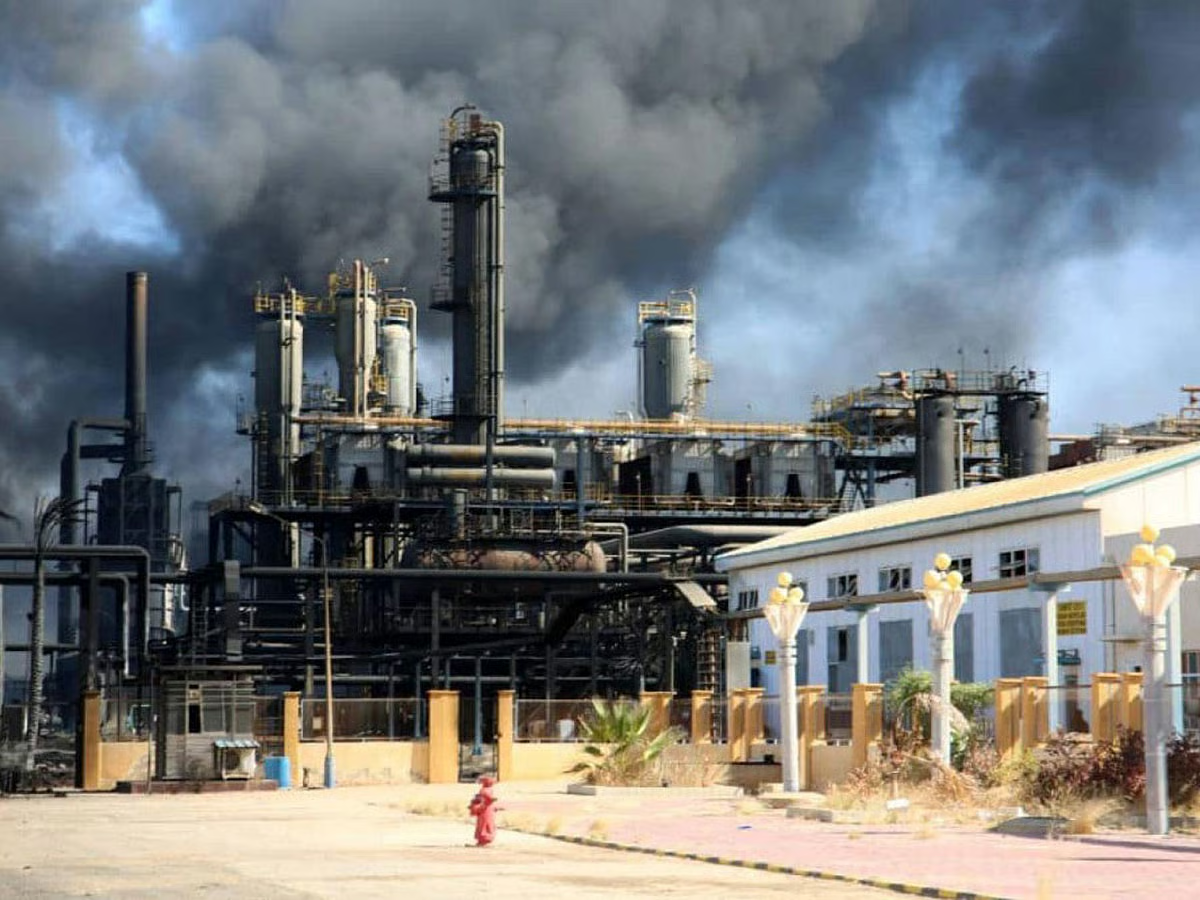

The conflict in Sudan is facing increased international scrutiny as allegations mount regarding the use of chemical weapons by the Sudanese Armed Forces (SAF). Reports and investigations suggest the potential deployment of chlorine gas during military operations against the Rapid Support Forces (RSF), prompting strong condemnation from the United States and calls for accountability through the Organisation for the Prohibition of Chemical Weapons (OPCW). This escalation adds a deeply concerning dimension to an already devastating humanitarian crisis.
The accusations, which Sudanese military leadership vehemently denies, have led to US sanctions and a demand for cooperation with international bodies investigating the claims. The ongoing war, now entering its third year, shows few signs of abating, raising fears that the use of prohibited weapons could become more widespread. The situation is further complicated by regional power dynamics and stalled peace negotiations.
Background of the Allegations Concerning Chemical Weapons Use
Over the past two years, numerous reports from international organizations and investigative journalists have detailed credible accusations that the SAF has deployed chemical weapons, primarily chlorine gas, in various locations throughout Sudan. These incidents have largely been concentrated in areas with significant civilian populations, raising serious concerns about potential war crimes and violations of international humanitarian law.
Evidence supporting these allegations includes medical reports detailing symptoms consistent with chlorine exposure, analysis of satellite imagery showing suspicious activity near potential deployment sites, and firsthand accounts from civilians and aid workers. The Sudanese government consistently dismisses these claims as politically motivated and lacking evidence, attributing any chemical effects to industrial accidents or the RSF.
Evidence and Reported Symptoms
Reports consistently point to the use of chlorine gas, a readily available industrial chemical that, when weaponized, acts as a choking agent. Medical assessments from field hospitals have documented cases presenting with respiratory distress, burning sensations in the eyes and throat, and skin irritation consistent with chlorine exposure. Additionally, observers have noted unusual discoloration of vegetation and soil in areas reportedly targeted with chemical agents. The rapid death of animals in affected zones has also been reported as a concerning indicator.
International Response and US Sanctions
The United States has taken a leading role in responding to the allegations, publicly condemning the reported use of chemical weapons and imposing sanctions on individuals linked to the SAF. In May, the US State Department announced its findings that chemical substances had been used by the Sudanese military during the 2024 fighting. Subsequently, in June, direct sanctions were levied against General Abdel Fattah Al Burhan and other associated officials.
The US government has explicitly called on Sudan to cooperate fully with the OPCW, allowing for an independent and transparent investigation into the allegations. This demand reflects a broader concern that the SAF may be deliberately employing toxic chemical agents as a tactic of war. Washington has emphasized that the use of such weapons is “unacceptable” and a clear breach of the Chemical Weapons Convention.
The Role of the OPCW and the Quadrilateral Mechanism
The OPCW, the global body responsible for enforcing the Chemical Weapons Convention, has yet to be granted unfettered access to Sudan to conduct its own investigation. The persistent denial of access by the Sudanese government is a significant obstacle to establishing the facts and holding perpetrators accountable. Meanwhile, the Quadrilateral Mechanism – comprising the US, Saudi Arabia, Egypt, and the UAE – has struggled to achieve a lasting ceasefire.
Supply Chain Concerns and Chlorine Shipment
Investigative reports have traced a recent shipment of chlorine barrels that ultimately reached Port Sudan. This shipment, allegedly overseen by Colonel Anas Younis, Director of the Sudanese Engineering Ports Company, raises concerns about the potential for dual-use materials to be diverted for military purposes. The incident highlights the need for stricter oversight and regulation of hazardous materials entering Sudan, especially during the ongoing conflict.
This suggests a possible failure in governance, raising questions about whether the importation of these materials was deliberately facilitated or occurred due to negligence. Such findings could implicate not only military commanders but also port officials and other government personnel in the alleged violations. These events have drawn attention to arms control issues and the possibility of diversion.
Military Denials and the Credibility Gap
The Sudanese Armed Forces maintain their innocence, asserting that they do not possess chemical weapons and have never used them. They attribute the allegations to misinformation and propaganda spread by the RSF and their allies. However, these denials are increasingly at odds with the growing body of independent evidence. This discrepancy undermines the SAF’s credibility and raises doubts about their willingness to engage in a transparent and accountable process. The lack of independent scrutiny also impacts the overall regional security landscape.
As the international pressure mounts, the situation remains volatile. The demand for an OPCW investigation is unlikely to subside, and the potential for further sanctions remains on the table. The next critical step will be Sudan’s response to the US and international calls for cooperation. Without access for independent investigators, establishing the truth – and ensuring accountability – will prove exceedingly difficult. Uncertainty persists regarding the SAF’s willingness to engage and the potential for escalation if the allegations are confirmed.