
Las Vegas became the epicenter of a significant technological shift at CES 2026, as physical AI and robotics dominated the annual consumer electronics showcase. After years of development largely confined to software, artificial intelligence is now demonstrably moving into the physical world, impacting industries from manufacturing to consumer goods. The event signaled a clear intention from tech companies to showcase AI’s capabilities beyond digital interfaces.
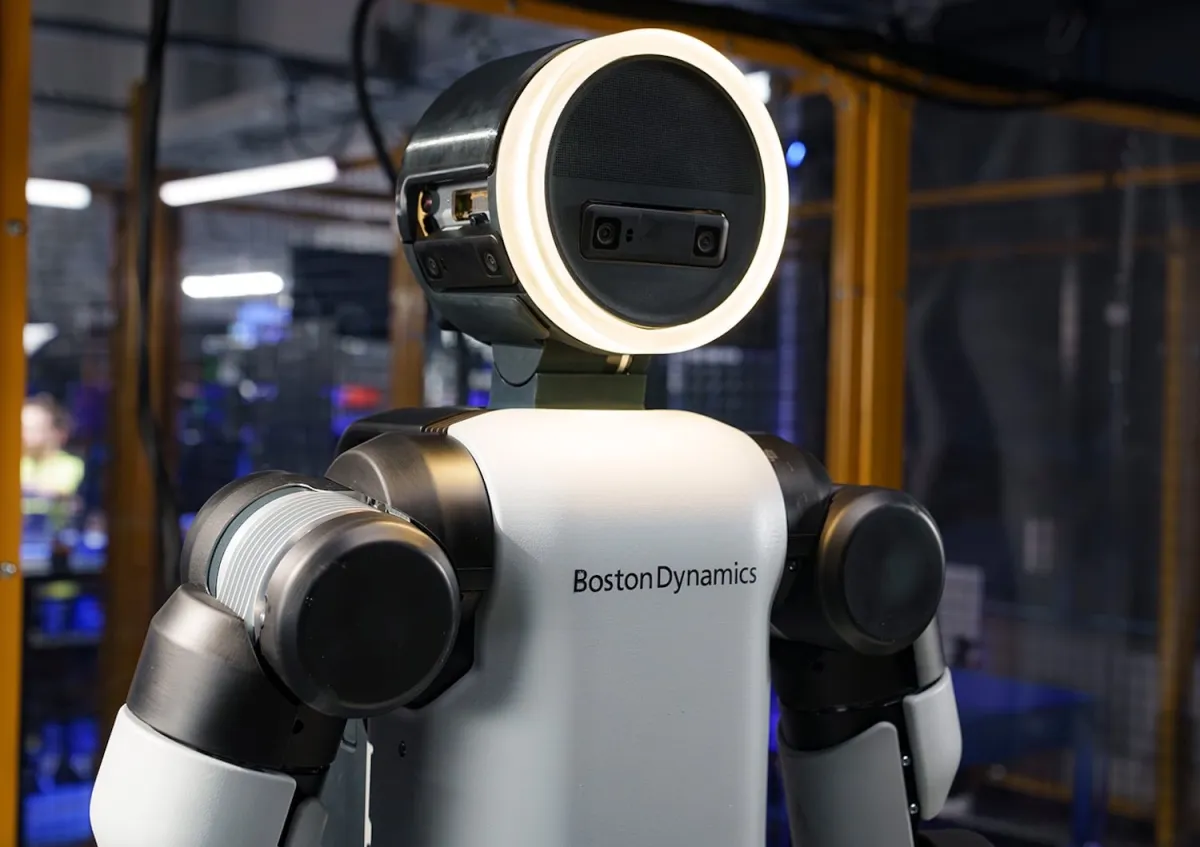
The presence of advanced robots, like Boston Dynamics’ redesigned Atlas, alongside more practical applications such as AI-powered appliances, underscored this trend. CES 2026 wasn’t simply about smarter software; it was about AI actively performing tasks in the real world. TechCrunch’s Equity podcast recently analyzed the key takeaways from the show, highlighting the breadth of this emerging field.
The Rise of Physical AI: Beyond the Screen
For years, artificial intelligence has been largely associated with virtual assistants, recommendation algorithms, and image generation. However, CES 2026 revealed a concerted effort to translate these digital advancements into tangible, physical applications. This move represents a crucial evolution in the development and adoption of AI technology.
The shift is driven by several factors, including advancements in robotics, computer vision, and machine learning. These improvements have made it possible to create AI systems that can perceive their environment, make decisions, and execute actions with greater precision and autonomy. Additionally, decreasing costs for key components are making physical AI solutions more accessible to a wider range of businesses.
Robotics Take Center Stage
Boston Dynamics’ Atlas humanoid robot was a major draw at the show, demonstrating significant improvements in agility and dexterity. The redesigned Atlas is intended for use in manufacturing and logistics, capable of handling complex tasks currently performed by human workers. This represents a significant step towards widespread adoption of humanoid robots in industrial settings.
Beyond Atlas, numerous other robotics companies showcased their innovations. These included robots designed for warehouse automation, delivery services, and even agricultural applications. The common thread was a focus on practical applications and a move away from purely experimental designs.
AI-Powered Consumer Products
The integration of AI wasn’t limited to industrial robots. CES 2026 also featured a surprising number of AI-powered consumer products. One example was the AI-powered ice maker, which optimizes ice production based on user preferences and environmental conditions.
Other examples included smart home appliances that learn user habits and adjust settings accordingly, and automotive technologies that enhance safety and driving experience. These applications demonstrate the potential for AI to improve everyday life in subtle but meaningful ways. The increasing sophistication of machine learning algorithms is key to these advancements.
Implications for Industry and the Workforce
The emergence of physical AI has significant implications for a variety of industries. Manufacturing is poised to be one of the first major beneficiaries, with robots automating repetitive tasks and improving efficiency. Logistics and supply chain management are also expected to see substantial changes, as AI-powered systems optimize routes and manage inventory.
However, the widespread adoption of physical AI also raises concerns about the future of work. As robots become capable of performing more tasks, there is a risk of job displacement in certain sectors. Addressing this challenge will require proactive measures, such as retraining programs and investments in new industries. The impact on the automation industry is expected to be substantial.
Meanwhile, the development of more sophisticated AI systems also raises ethical considerations. Ensuring that these systems are used responsibly and do not perpetuate biases is crucial. Ongoing dialogue and collaboration between researchers, policymakers, and industry leaders are essential to navigate these challenges.
In contrast to previous years, CES 2026 showcased a maturity in the field of robotics and AI. Companies are moving beyond proof-of-concept demonstrations and focusing on delivering practical solutions that address real-world problems. This shift is driven by a growing recognition of the potential economic benefits of physical AI.
Looking Ahead
The momentum generated at CES 2026 suggests that the trend towards physical AI will continue in the coming years. Further advancements in areas like sensor technology, artificial intelligence, and battery life are expected to unlock even more possibilities.
The next major milestone will likely be the broader deployment of these technologies in commercial settings. While challenges remain, including cost, safety, and regulatory hurdles, the potential benefits are too significant to ignore. Industry analysts predict a substantial increase in investment in physical AI over the next five years, with a particular focus on applications in manufacturing, logistics, and healthcare. The long-term impact of this technological shift remains uncertain, but its trajectory is now clearly visible.