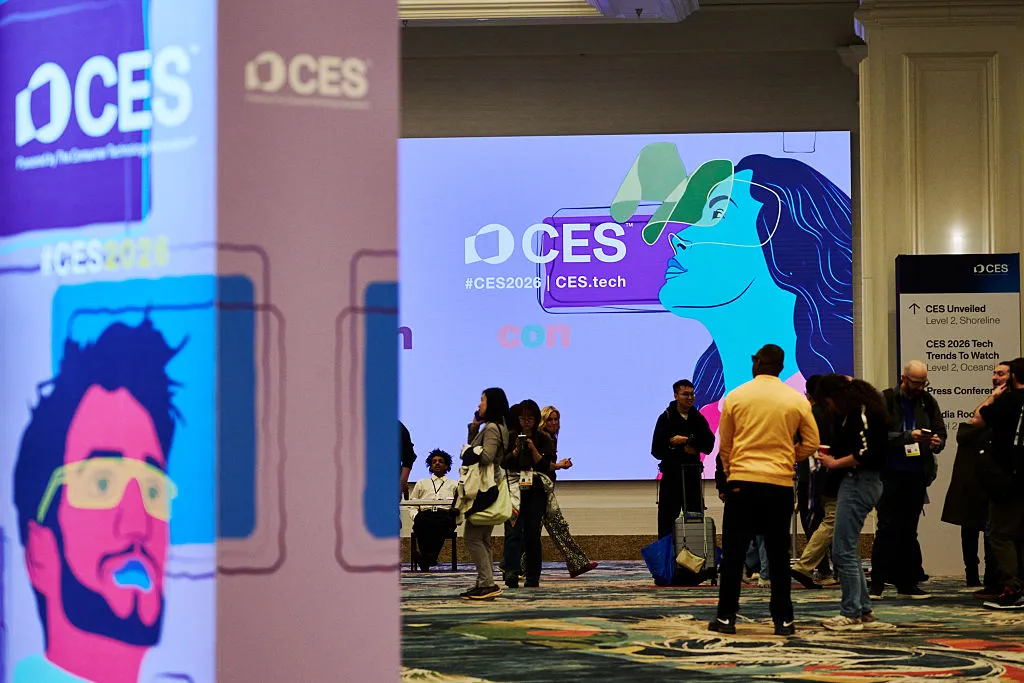

CES 2026 has concluded, leaving a strong impression of a technology landscape increasingly focused on integrating artificial intelligence into the physical world. The show, held in Las Vegas, showcased a wave of new robots, vehicles, and devices powered by AI, signaling a potential turning point in how consumers and industries interact with technology. This year’s event underscored the growing importance of computational power for advanced AI applications and highlighted a shift in the global automotive industry’s presence.
Key announcements came from tech giants like Nvidia and AMD, who both emphasized the vital role of processing capabilities in enabling “physical AI.” Numerous companies displayed consumer gadgets and industrial applications leveraging this technology, from advanced robotics to autonomous driving systems. The density of robotics-related exhibits was notably high, with Hyundai’s showcase of Boston Dynamics’ Atlas drawing significant interest.
The Rise of Physical AI and Robotics at CES
The overarching theme of CES 2026 was the application of artificial intelligence to real-world problems, termed “physical AI.” This isn’t simply about software; it’s about embedding intelligent functionality into devices that move, manipulate, and interact with their environment. The demand for high-performance computing to support these complex systems was visibly reflected in the prominence of Nvidia and AMD at the event.
Boston Dynamics’ Atlas humanoid robot, under the Hyundai umbrella, stands as a prime example of this shift. The consistently crowded Hyundai exhibit demonstrated high consumer and industry curiosity around advanced robotics. Other companies also showcased their own humanoid robots promising applications in logistics, elder care, and even entertainment. However, widespread consumer adoption remains a future prospect, dependent on cost reduction and continued performance improvements.
Automotive Industry’s Evolving Presence
For several years, CES has been a major stage for automotive innovation, but that character has been changing. While traditional U.S. and European automakers still participated, a substantial number of Chinese manufacturers displayed their vehicles. Despite current trade restrictions preventing direct sales in the United States, their presence signaled an increasing ambition to become global leaders in automotive technology. According to industry analysts, this demonstrates a move towards building brand recognition and showcasing technological advancements for potential future markets.
Beyond passenger vehicles, the show featured extensive developments in autonomous vehicle technology. Lidar companies and startups developing automated driving software were well-represented. The focus extended beyond simply self-driving cars to include applications in logistics, industrial automation, and, importantly, robotaxis.
Waymo and Zoox dedicated significant booth space to showcase their robotaxi programs, attracting large crowds eager to learn about the future of transportation. The consistent foot traffic to these exhibits hints at growing public acceptance and anticipation for driverless ride-hailing services. Further expansion of robotaxi operating areas is a key development to watch in the coming year. The overall impact of automation on the transportation sector was a key topic of discussion.
Implications for the Future of Technology
The emphasis on robots and physical AI at CES 2026 suggests a future where technology is less about screens and more about tangible interaction. This trend has significant implications for developers, manufacturers, and ultimately, consumers. The need for skilled engineers capable of integrating AI with hardware is likely to increase, creating new job opportunities. Additionally, advancements in artificial intelligence will depend on continued innovations in semiconductor technology and efficient energy sources.
The increase in Chinese companies displaying their technologies is also notable. It points towards a changing global power dynamic in the technology industry. While immediate market impact may be limited by current regulatory hurdles, their visibility signals long-term competitive pressures, particularly in areas like electric vehicle technology and battery innovation.
Looking ahead, the success of these physical AI implementations will rely on addressing key challenges. These include improving the reliability and safety of robotic systems, reducing production costs to make them accessible to a wider range of consumers, and ensuring robust data security and privacy as these devices become more integrated into daily life.
The next step will be to assess the real-world viability of the technologies previewed at CES. Follow-up articles and deeper analysis over the coming weeks will provide a more detailed understanding of the commitments and timelines announced. Industry experts will be watching for announcements regarding pilot programs, strategic partnerships, and, ultimately, the actual deployment of these innovative solutions.