
Las Vegas is currently hosting CES 2026, with the show floor now open to the public following initial press conferences from major tech players like Nvidia, Sony, and AMD, and previews from Sunday’s Unveiled event. As in the past two years, artificial intelligence (AI) is dominating the conversation, though traditional hardware innovations and unexpected gadgets remain a key part of the annual showcase. This article will cover the biggest announcements and surprises from the event, with ongoing coverage available in our live blog.
The first days of CES 2026 have revealed a strong trend toward integrating AI into a wider range of products and services, from automobiles to construction equipment and even classic toys like LEGOs. Companies are focused on both developing the underlying infrastructure for AI and creating user-facing applications that leverage its power. Several announcements also highlighted a re-emerging focus on user experience and physical interaction with technology amidst the digital shift.
Nvidia Advances AI for Autonomous Vehicles with Rubin Architecture
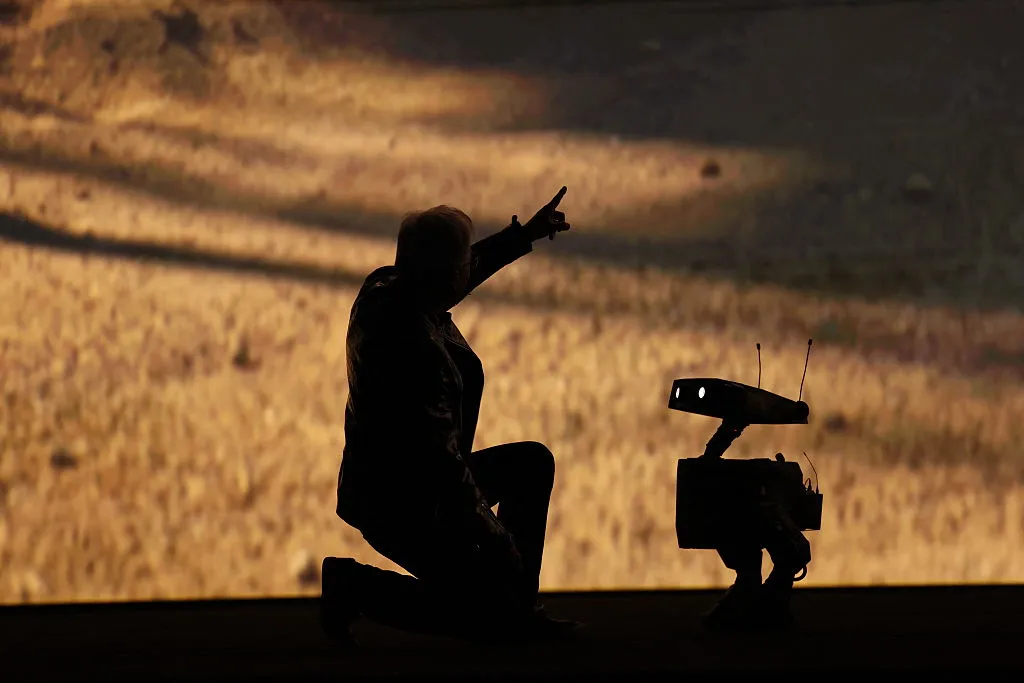
Nvidia CEO Jensen Huang kicked off CES with a lengthy presentation showcasing the company’s advancements in AI, particularly its role in autonomous vehicle technology. A central announcement was the Alpamayo family of open-source AI models, designed to enhance the capabilities of self-driving cars this year.
Complementing this software push is the unveiling of the Rubin architecture, slated to replace the Blackwell architecture in the latter half of 2026. This new architecture promises significant improvements in both speed and storage capacity, addressing the ever-increasing computational demands of AI applications. Nvidia envisions a future where its infrastructure serves as the foundational platform for general-purpose robotics, akin to Android’s role in mobile operating systems.
AMD Showcases AI-Powered Processors and Strategic Partnerships
AMD chair and CEO Lisa Su opened the show with a keynote highlighting the company’s commitment to expanding AI accessibility through personal computers. Su’s presentation featured collaborations with industry leaders, including OpenAI president Greg Brockman and AI researcher Fei-Fei Li.
A key element of AMD’s strategy is the Ryzen AI 400 Series processors, specifically designed to deliver enhanced AI performance on PCs. These processors are intended to empower a broader range of users with AI capabilities, moving beyond specialized hardware and cloud-based solutions. AMD’s approach centers around bringing AI tools directly to the individual user, fostering wider adoption and innovation.
Beyond the Core: Oddities and Emerging Trends at CES
While AI and processing power dominate the headlines, CES is also known for showcasing unique and often unexpected technologies. Among the standout “oddities” this year are Clicks Communicator, a smartphone with a built-in physical keyboard reminiscent of BlackBerry devices, and Razer’s Project AVA, which projects an AI avatar onto a desk surface. These devices offer a contrasting perspective to the fully digital trend, emphasizing physical interaction and familiar designs.
Additionally, LEGO’s first-ever CES appearance showcased its Smart Play System. This system integrates smart bricks and tiles capable of sounds and interactions, marking a convergence of traditional play with modern technology. These unusual reveals demonstrate the breadth of innovation on display at CES and the willingness of companies to explore unconventional ideas.
Industry Collaboration and the Future of AI Integration
Beyond individual product announcements, CES 2026 highlighted several key industry collaborations. Caterpillar and Nvidia are jointly developing automated construction equipment, while Boston Dynamics is partnering with Google’s AI research lab to advance the capabilities of its Atlas robots. These partnerships suggest a trend toward shared resources and expertise in the rapidly evolving field of AI.
Ford’s debut of its AI assistant, powered by Google Cloud and leveraging existing language models, underscores the industry-wide push to integrate AI into automotive experiences. However, details surrounding the assistant’s functionality remain limited, indicating ongoing development and refinement.
The reverberations of these announcements will likely continue throughout 2026 as companies work to bring their visions to fruition. The immediate focus for many will be on refining their AI models, optimizing hardware performance, and securing strategic partnerships to accelerate innovation. Analysts predict a surge in AI-powered devices and services in the coming year, but the actual impact on consumers and various industries remains to be seen.